

consumption in agriculture is mechanisation,
which began to improve in 2005. By 2015,
agricultural machinery used 1,120 GW of electricity, double that of 2005. As mechanisation
and energy consumption rise, cumulative energy
consumption per unit of added value falls—by
17% in the past 10 years. In the future, as agricultural mechanisation becomes saturated, modernisation will gradually shift to the use of
biotechnology and information technology (IT),
which will further reduce energy consumption
per unit of added value. When it was adopted in
2016 the 13th Five-Year Plan (2016–20) predicted that agricultural mechanisation would
continue to grow and that the amount of energy
used in agriculture would approach 66 Mtce by
2020. As the efficiency of agricultural machinery
improves and the energy efficiency benefits from
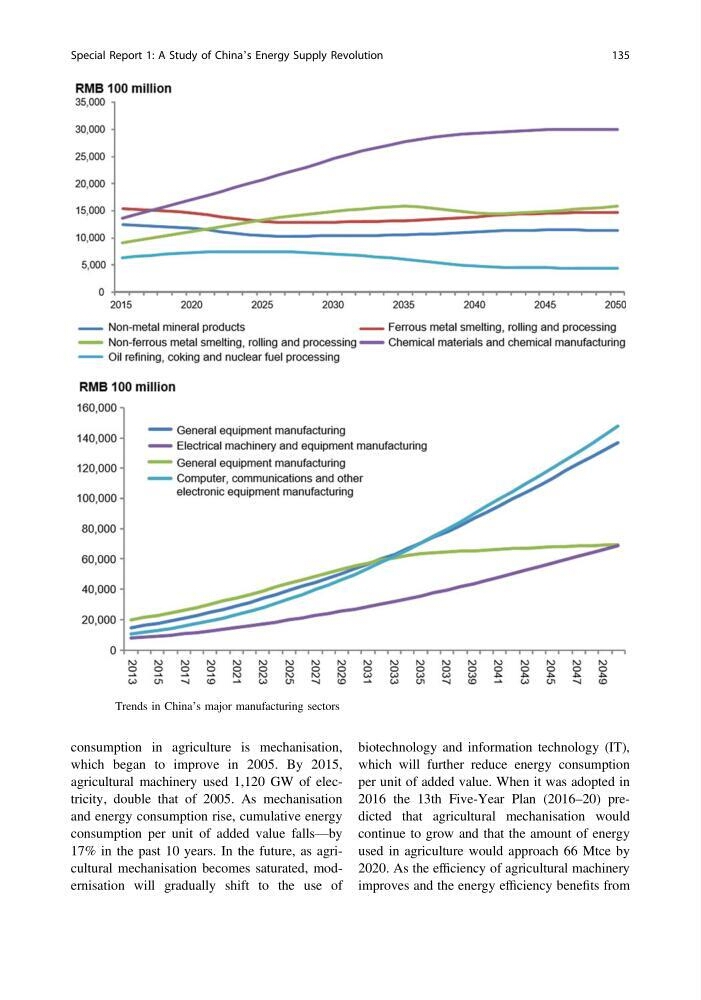
Fig. 47 Trends in China’s major manufacturing sectors
Special Report 1: A Study of China’s Energy Supply Revolution
135
which began to improve in 2005. By 2015,
agricultural machinery used 1,120 GW of electricity, double that of 2005. As mechanisation
and energy consumption rise, cumulative energy
consumption per unit of added value falls—by
17% in the past 10 years. In the future, as agricultural mechanisation becomes saturated, modernisation will gradually shift to the use of
biotechnology and information technology (IT),
which will further reduce energy consumption
per unit of added value. When it was adopted in
2016 the 13th Five-Year Plan (2016–20) predicted that agricultural mechanisation would
continue to grow and that the amount of energy
used in agriculture would approach 66 Mtce by
2020. As the efficiency of agricultural machinery
improves and the energy efficiency benefits from
Fig. 47 Trends in China’s major manufacturing sectors
Special Report 1: A Study of China’s Energy Supply Revolution
135