

6 A Study on Tool Directions of an Underwater …
57
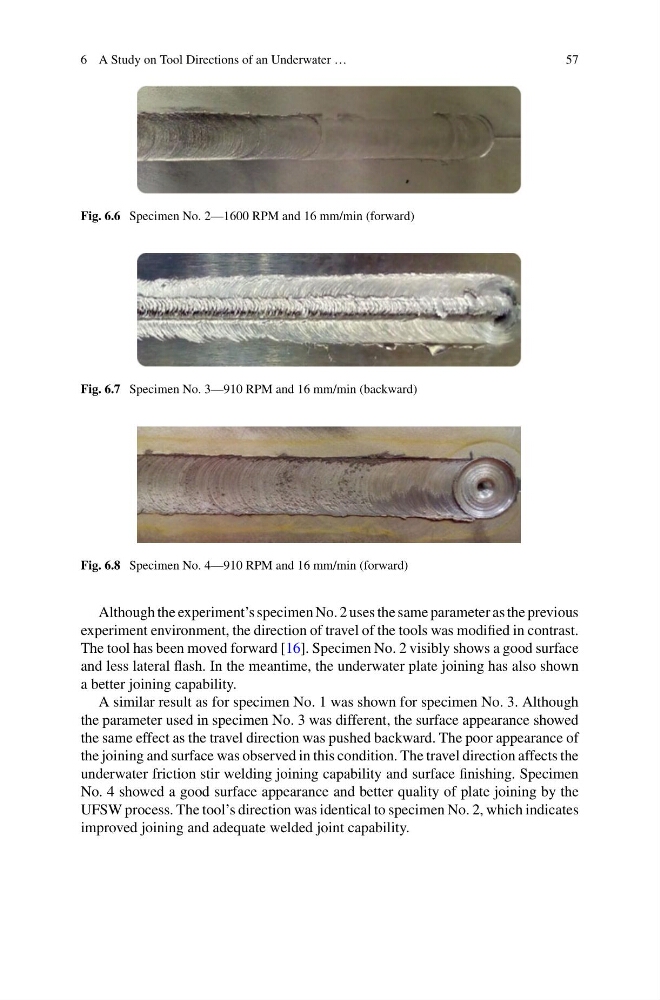
Fig. 6.6 Specimen No. 2—1600 RPM and 16 mm/min (forward)
Fig. 6.7 Specimen No. 3—910 RPM and 16 mm/min (backward)
Fig. 6.8 Specimen No. 4—910 RPM and 16 mm/min (forward)
Although the experiment’s specimen No. 2 uses the same parameter as the previous
experiment environment, the direction of travel of the tools was modified in contrast.
The tool has been moved forward [16]. Specimen No. 2 visibly shows a good surface
and less lateral flash. In the meantime, the underwater plate joining has also shown
a better joining capability.
A similar result as for specimen No. 1 was shown for specimen No. 3. Although
the parameter used in specimen No. 3 was different, the surface appearance showed
the same effect as the travel direction was pushed backward. The poor appearance of
the joining and surface was observed in this condition. The travel direction affects the
underwater friction stir welding joining capability and surface finishing. Specimen
No. 4 showed a good surface appearance and better quality of plate joining by the
UFSW process. The tool’s direction was identical to specimen No. 2, which indicates
improved joining and adequate welded joint capability.
57
Fig. 6.6 Specimen No. 2—1600 RPM and 16 mm/min (forward)
Fig. 6.7 Specimen No. 3—910 RPM and 16 mm/min (backward)
Fig. 6.8 Specimen No. 4—910 RPM and 16 mm/min (forward)
Although the experiment’s specimen No. 2 uses the same parameter as the previous
experiment environment, the direction of travel of the tools was modified in contrast.
The tool has been moved forward [16]. Specimen No. 2 visibly shows a good surface
and less lateral flash. In the meantime, the underwater plate joining has also shown
a better joining capability.
A similar result as for specimen No. 1 was shown for specimen No. 3. Although
the parameter used in specimen No. 3 was different, the surface appearance showed
the same effect as the travel direction was pushed backward. The poor appearance of
the joining and surface was observed in this condition. The travel direction affects the
underwater friction stir welding joining capability and surface finishing. Specimen
No. 4 showed a good surface appearance and better quality of plate joining by the
UFSW process. The tool’s direction was identical to specimen No. 2, which indicates
improved joining and adequate welded joint capability.