

3.1 Thermochemical Conversion Technologies
71
Wastewater
Sludge
Anaerobic
Digestion
Hydrothermal
Liquefaction
Waste Biomass
Biogas
High quality
Bio-Oil
Bio-Char
Aqueous
Products
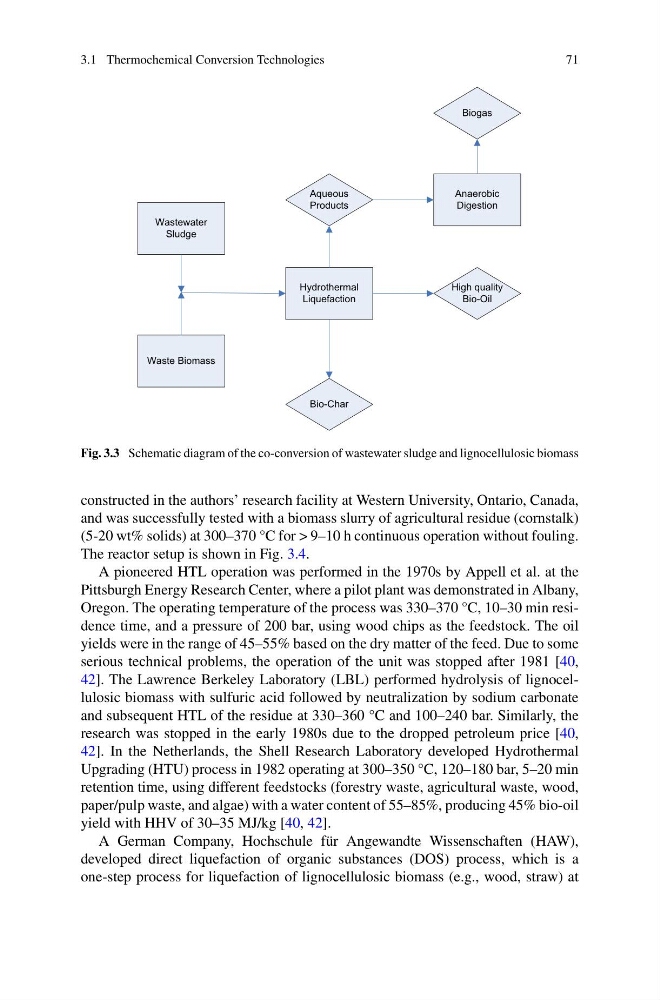
Fig. 3.3 Schematic diagram of the co-conversion of wastewater sludge and lignocellulosic biomass
constructed in the authors’ research facility at Western University, Ontario, Canada,
and was successfully tested with a biomass slurry of agricultural residue (cornstalk)
(5-20 wt% solids) at 300–370 °C for > 9–10 h continuous operation without fouling.
The reactor setup is shown in Fig. 3.4.
A pioneered HTL operation was performed in the 1970s by Appell et al. at the
Pittsburgh Energy Research Center, where a pilot plant was demonstrated in Albany,
Oregon. The operating temperature of the process was 330–370 °C, 10–30 min residence time, and a pressure of 200 bar, using wood chips as the feedstock. The oil
yields were in the range of 45–55% based on the dry matter of the feed. Due to some
serious technical problems, the operation of the unit was stopped after 1981 [40,
42]. The Lawrence Berkeley Laboratory (LBL) performed hydrolysis of lignocellulosic biomass with sulfuric acid followed by neutralization by sodium carbonate
and subsequent HTL of the residue at 330–360 °C and 100–240 bar. Similarly, the
research was stopped in the early 1980s due to the dropped petroleum price [40,
42]. In the Netherlands, the Shell Research Laboratory developed Hydrothermal
Upgrading (HTU) process in 1982 operating at 300–350 °C, 120–180 bar, 5–20 min
retention time, using different feedstocks (forestry waste, agricultural waste, wood,
paper/pulp waste, and algae) with a water content of 55–85%, producing 45% bio-oil
yield with HHV of 30–35 MJ/kg [40, 42].
A German Company, Hochschule für Angewandte Wissenschaften (HAW),
developed direct liquefaction of organic substances (DOS) process, which is a
one-step process for liquefaction of lignocellulosic biomass (e.g., wood, straw) at
71
Wastewater
Sludge
Anaerobic
Digestion
Hydrothermal
Liquefaction
Waste Biomass
Biogas
High quality
Bio-Oil
Bio-Char
Aqueous
Products
Fig. 3.3 Schematic diagram of the co-conversion of wastewater sludge and lignocellulosic biomass
constructed in the authors’ research facility at Western University, Ontario, Canada,
and was successfully tested with a biomass slurry of agricultural residue (cornstalk)
(5-20 wt% solids) at 300–370 °C for > 9–10 h continuous operation without fouling.
The reactor setup is shown in Fig. 3.4.
A pioneered HTL operation was performed in the 1970s by Appell et al. at the
Pittsburgh Energy Research Center, where a pilot plant was demonstrated in Albany,
Oregon. The operating temperature of the process was 330–370 °C, 10–30 min residence time, and a pressure of 200 bar, using wood chips as the feedstock. The oil
yields were in the range of 45–55% based on the dry matter of the feed. Due to some
serious technical problems, the operation of the unit was stopped after 1981 [40,
42]. The Lawrence Berkeley Laboratory (LBL) performed hydrolysis of lignocellulosic biomass with sulfuric acid followed by neutralization by sodium carbonate
and subsequent HTL of the residue at 330–360 °C and 100–240 bar. Similarly, the
research was stopped in the early 1980s due to the dropped petroleum price [40,
42]. In the Netherlands, the Shell Research Laboratory developed Hydrothermal
Upgrading (HTU) process in 1982 operating at 300–350 °C, 120–180 bar, 5–20 min
retention time, using different feedstocks (forestry waste, agricultural waste, wood,
paper/pulp waste, and algae) with a water content of 55–85%, producing 45% bio-oil
yield with HHV of 30–35 MJ/kg [40, 42].
A German Company, Hochschule für Angewandte Wissenschaften (HAW),
developed direct liquefaction of organic substances (DOS) process, which is a
one-step process for liquefaction of lignocellulosic biomass (e.g., wood, straw) at