

TiO 2 with different phase ratios exhibit different photocatalytic activities, it is
difficult to adequately explain the physical phenomenon responsible for the existence of an optimum phase ratio in mixed-phase TiO 2 with the maximum
photocatalytic activity using these existing models. Therefore, further research is
essential to find out the photocatalytic mechanism of mixed-phase TiO 2 in different
phase contents.
In 2008, Zachariah et al. [103] took the factors of crystallite size distribution as
well as phase composition into account, and proposed a new mechanism model,
which overcame the limitations of the existing models in terms of explaining the
abovementioned phenomenon. The mechanism is based on the charge separation
mechanism proposed by Sun et al. [134]. Zachariah et al. [103] thought that when the
size of nano-TiO 2 was identical (Fig. 6.24a), the bandgap of adjacent anatase
crystallites was the same, so there was no driving force to migrate the photogenerated holes, resulting in the high recombination rate of photo-generated charges
and the low photocatalytic activity. If the sizes of anatase crystallite were different
and were below the critical size (Fig. 6.24b, c), the bandgaps of the connected
crystallites would depend on their size. Thus, photo-generated holes in one crystallite could easily escape into the other, leading to the effective separation of photogenerated excitons. When a small amount of rutile was mixed with anatase
(Fig. 6.24d), owing to the different bandgap, photo-generated holes would transfer
from anatase to rutile, so that the photocatalytic activity could be further enhanced.
However, the excessive rutile content limited the migration of photo-generated holes
in mixed-phase crystal TiO 2 (Fig. 6.24e), and the photocatalytic activity of
photocatalysts began to decline. On the condition that the crystallite sizes of pure
rutile are bigger than the critical size (Fig. 6.24f), their bandgap values kept the same,
and then the migration of photo-generated holes could not occur, and the
photocatalytic activity was minimum. The mechanism showed that whether the
TiO 2 was mixed-phase crystalline or single crystalline, the photo-generated
electron–hole pairs could be separated and the photocatalytic activity of
photocatalysts could be enhanced as long as the bandgap values were different.
In summary, the mechanisms mentioned above for the enhanced photocatalytic
activity of mixed-phase TiO 2 all involve the migration behaviors of photo-generated
excitons. In these mechanisms, researchers all agree that the mixed-phase crystal
structure favors the effective separation of photo-generated electrons and holes.
However, the specific migration paths of excitons are still controversial. The
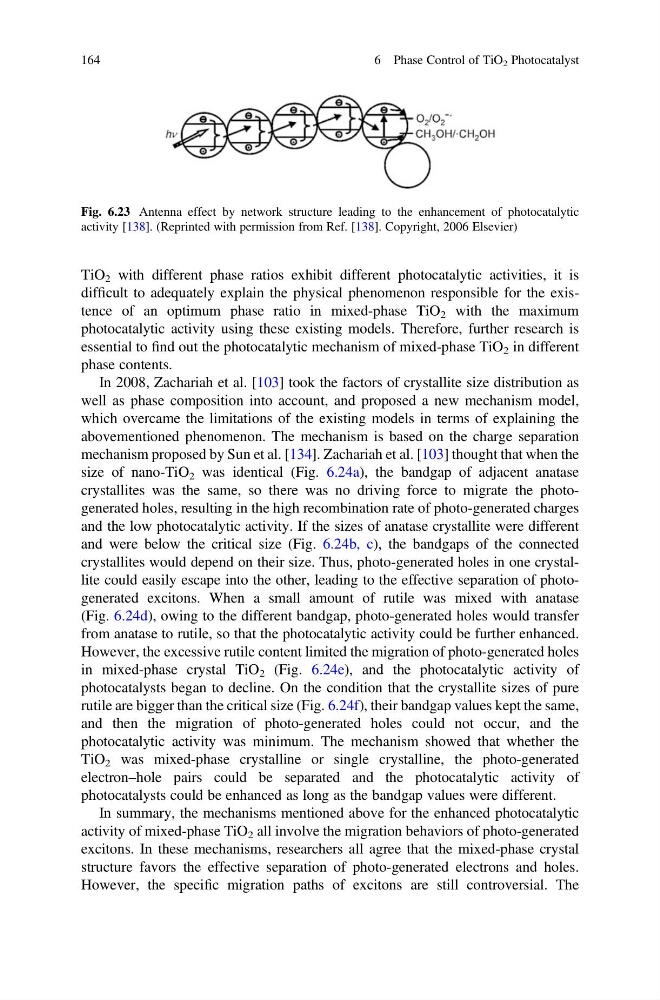
Fig. 6.23 Antenna effect by network structure leading to the enhancement of photocatalytic
activity [138]. (Reprinted with permission from Ref. [138]. Copyright, 2006 Elsevier)
164
6 Phase Control of TiO 2 Photocatalyst
difficult to adequately explain the physical phenomenon responsible for the existence of an optimum phase ratio in mixed-phase TiO 2 with the maximum
photocatalytic activity using these existing models. Therefore, further research is
essential to find out the photocatalytic mechanism of mixed-phase TiO 2 in different
phase contents.
In 2008, Zachariah et al. [103] took the factors of crystallite size distribution as
well as phase composition into account, and proposed a new mechanism model,
which overcame the limitations of the existing models in terms of explaining the
abovementioned phenomenon. The mechanism is based on the charge separation
mechanism proposed by Sun et al. [134]. Zachariah et al. [103] thought that when the
size of nano-TiO 2 was identical (Fig. 6.24a), the bandgap of adjacent anatase
crystallites was the same, so there was no driving force to migrate the photogenerated holes, resulting in the high recombination rate of photo-generated charges
and the low photocatalytic activity. If the sizes of anatase crystallite were different
and were below the critical size (Fig. 6.24b, c), the bandgaps of the connected
crystallites would depend on their size. Thus, photo-generated holes in one crystallite could easily escape into the other, leading to the effective separation of photogenerated excitons. When a small amount of rutile was mixed with anatase
(Fig. 6.24d), owing to the different bandgap, photo-generated holes would transfer
from anatase to rutile, so that the photocatalytic activity could be further enhanced.
However, the excessive rutile content limited the migration of photo-generated holes
in mixed-phase crystal TiO 2 (Fig. 6.24e), and the photocatalytic activity of
photocatalysts began to decline. On the condition that the crystallite sizes of pure
rutile are bigger than the critical size (Fig. 6.24f), their bandgap values kept the same,
and then the migration of photo-generated holes could not occur, and the
photocatalytic activity was minimum. The mechanism showed that whether the
TiO 2 was mixed-phase crystalline or single crystalline, the photo-generated
electron–hole pairs could be separated and the photocatalytic activity of
photocatalysts could be enhanced as long as the bandgap values were different.
In summary, the mechanisms mentioned above for the enhanced photocatalytic
activity of mixed-phase TiO 2 all involve the migration behaviors of photo-generated
excitons. In these mechanisms, researchers all agree that the mixed-phase crystal
structure favors the effective separation of photo-generated electrons and holes.
However, the specific migration paths of excitons are still controversial. The
Fig. 6.23 Antenna effect by network structure leading to the enhancement of photocatalytic
activity [138]. (Reprinted with permission from Ref. [138]. Copyright, 2006 Elsevier)
164
6 Phase Control of TiO 2 Photocatalyst