

9-2 n → π* Transitions
125
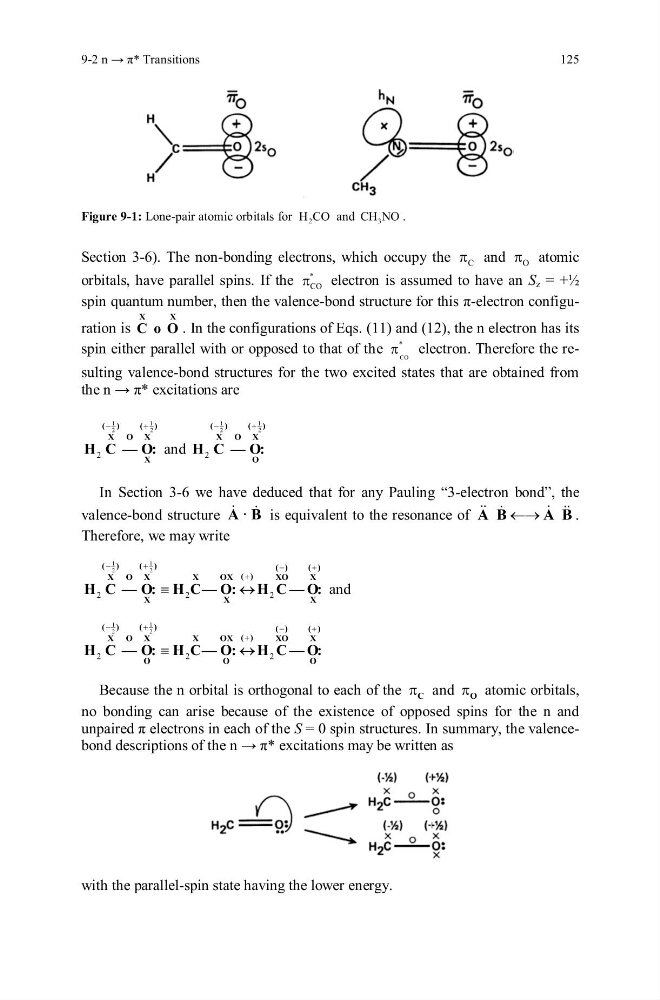
Figure 9-1: Lone-pair atomic orbitals for 2
H CO and
3
CH NO .
Section 3-6). The non-bonding electrons, which occupy the C
and O
atomic
orbitals, have parallel spins. If the
*
CO
electron is assumed to have an S z = +½
spin quantum number, then the valence-bond structure for this π-electron configuration is
X
X
C o O . In the configurations of Eqs. (11) and (12), the n electron has its
spin either parallel with or opposed to that of the
CO
*
electron. Therefore the resulting valence-bond structures for the two excited states that are obtained from
the n → π* excitations are
1
1
2
2
2
( )
( )
X O X
X
H C — O: and
1
1
2
2
2
( )
( )
X O X
O
H C — O:
In Section 3-6 we have deduced that for any Pauling “3-electron bond”, the
valence-bond structure A · B
is equivalent to the resonance of A B
A B
.
Therefore, we may write
1
1
2
2
2
2
2
( )
( )
( )
( )
( )
X O X
X
OX
XO
X
X
X
X
H C — O: H C— O: H C — O:
and
1
1
2
2
2
2
2
( )
( )
( )
( )
( )
X O X
X
OX
XO
X
O
O
O
H C — O: H C— O: H C — O:
Because the n orbital is orthogonal to each of the C
and O
atomic orbitals,
no bonding can arise because of the existence of opposed spins for the n and
unpaired π electrons in each of the S = 0 spin structures. In summary, the valencebond descriptions of the n → π* excitations may be written as
with the parallel-spin state having the lower energy.
125
Figure 9-1: Lone-pair atomic orbitals for 2
H CO and
3
CH NO .
Section 3-6). The non-bonding electrons, which occupy the C
and O
atomic
orbitals, have parallel spins. If the
*
CO
electron is assumed to have an S z = +½
spin quantum number, then the valence-bond structure for this π-electron configuration is
X
X
C o O . In the configurations of Eqs. (11) and (12), the n electron has its
spin either parallel with or opposed to that of the
CO
*
electron. Therefore the resulting valence-bond structures for the two excited states that are obtained from
the n → π* excitations are
1
1
2
2
2
( )
( )
X O X
X
H C — O: and
1
1
2
2
2
( )
( )
X O X
O
H C — O:
In Section 3-6 we have deduced that for any Pauling “3-electron bond”, the
valence-bond structure A · B
is equivalent to the resonance of A B
A B
.
Therefore, we may write
1
1
2
2
2
2
2
( )
( )
( )
( )
( )
X O X
X
OX
XO
X
X
X
X
H C — O: H C— O: H C — O:
and
1
1
2
2
2
2
2
( )
( )
( )
( )
( )
X O X
X
OX
XO
X
O
O
O
H C — O: H C— O: H C — O:
Because the n orbital is orthogonal to each of the C
and O
atomic orbitals,
no bonding can arise because of the existence of opposed spins for the n and
unpaired π electrons in each of the S = 0 spin structures. In summary, the valencebond descriptions of the n → π* excitations may be written as
with the parallel-spin state having the lower energy.