

15.4 The Case of Hydrogen Bond
It was discussed that the A–H…B hydrogen bond may be classified as a case of the
σ-hole bond [33, 62]. For the A–H bond, similarly as for other covalent bonds
where the σ-hole is observed, there is the electron charge density shift from H-atom
to the A-center. However the mechanism of the σ-hole formation is different for the
H-atom than for the other heavier atoms [33, 63]. In a case of pnicogen, chalcogen
and halogen atoms p-electron is involved in the σ-bond what results in the depletion
of the electron density in outermost part of the center considered and a small area of
the increased electrostatic potential, often up to the positive value [26, 27]. Such a
region of the positive EP, if exists, is surrounded by areas of the negative EP. There
are exceptions, as for example for the tetrel atoms or multivalent halogens described
earlier here, where the whole centers are characterized by the positive EP. For the
H-atom the whole hemisphere is characterized by the positive EP and there is the
single s-type electron involved in the A–H bond, the polarization of this bond
results in the additional increase of the EP at the hydrogen atom.
This is interesting that for the protic H-atom in A–H bond there is the detectable
shift of its electron density maximum towards the A-center. This effect is not
observed for halogen, chalcogen or any others heavier atoms. That may be calculated within the QTAIM approach since the positions of attractors correspond to the
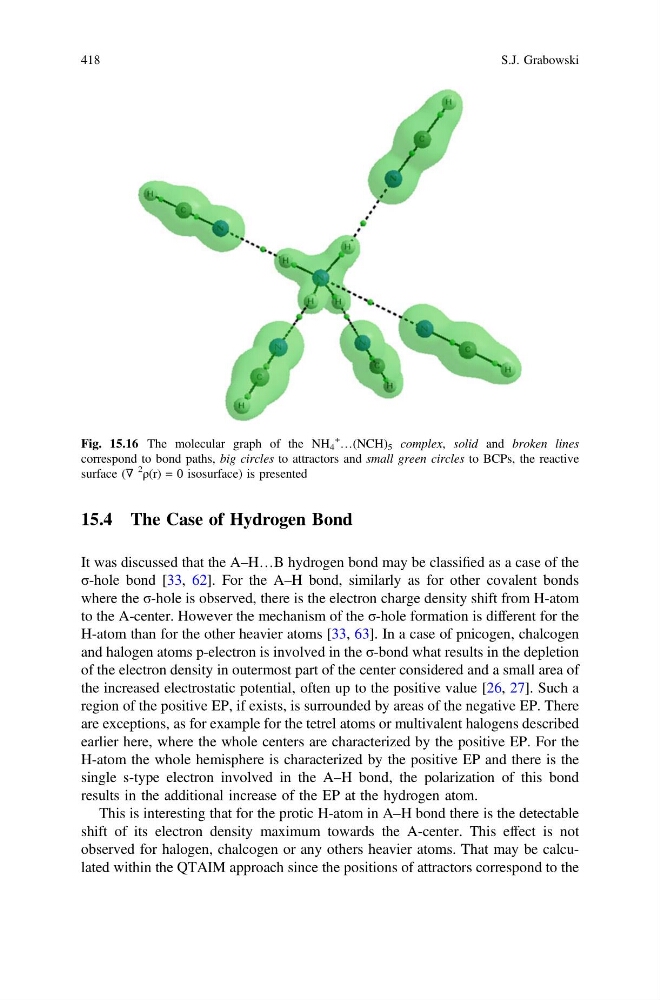
Fig. 15.16 The molecular graph of the NH 4
+ …(NCH) 5 complex, solid and broken lines
correspond to bond paths, big circles to attractors and small green circles to BCPs, the reactive
surface (∇
2
ρ(r) = 0 isosurface) is presented
418
S.J. Grabowski
It was discussed that the A–H…B hydrogen bond may be classified as a case of the
σ-hole bond [33, 62]. For the A–H bond, similarly as for other covalent bonds
where the σ-hole is observed, there is the electron charge density shift from H-atom
to the A-center. However the mechanism of the σ-hole formation is different for the
H-atom than for the other heavier atoms [33, 63]. In a case of pnicogen, chalcogen
and halogen atoms p-electron is involved in the σ-bond what results in the depletion
of the electron density in outermost part of the center considered and a small area of
the increased electrostatic potential, often up to the positive value [26, 27]. Such a
region of the positive EP, if exists, is surrounded by areas of the negative EP. There
are exceptions, as for example for the tetrel atoms or multivalent halogens described
earlier here, where the whole centers are characterized by the positive EP. For the
H-atom the whole hemisphere is characterized by the positive EP and there is the
single s-type electron involved in the A–H bond, the polarization of this bond
results in the additional increase of the EP at the hydrogen atom.
This is interesting that for the protic H-atom in A–H bond there is the detectable
shift of its electron density maximum towards the A-center. This effect is not
observed for halogen, chalcogen or any others heavier atoms. That may be calculated within the QTAIM approach since the positions of attractors correspond to the
Fig. 15.16 The molecular graph of the NH 4
+ …(NCH) 5 complex, solid and broken lines
correspond to bond paths, big circles to attractors and small green circles to BCPs, the reactive
surface (∇
2
ρ(r) = 0 isosurface) is presented
418
S.J. Grabowski