

486
N. Ya. Golovenko et al.
Drugs of the second group eliminate the nitro group during metabolism to amino
derivatives (NAT1), which do not possess psychotropic activity.
Some of the drugs of the third group (3-hydroxy derivatives) form in the human organism the corresponding inactive glucuronides (UGT 1). The others form
triazolobenzodiazepines and imidazolobenzodiazepines, which are oxidized in the
human organism to 3-hydroxy derivatives (CYP3A4).
We attempted to integrate the proposed classification system based on structural
parameters (molecular simplexes). A classification tree was constructed (Fig. 14.5)
and could be used to correctly classify the whole set of benzodiazepines using only
four structural parameters (S2, S5, S7, S76).
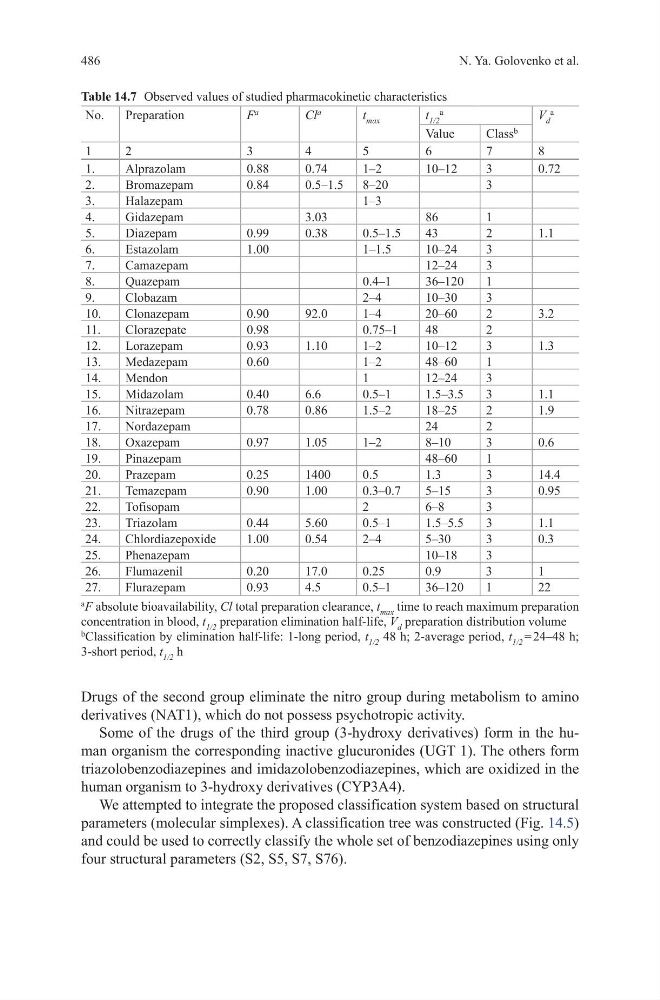
Table 14.7 Observed values of studied pharmacokinetic characteristics
No.
Preparation
F
a
Cl
a
t max
t 1/2
a
V d
a
Value
Class
b
1
2
3
4
5
6
7
8
1.
Alprazolam
0.88
0.74
1–2
10–12
3
0.72
2.
Bromazepam
0.84
0.5–1.5
8–20
3
3.
Halazepam
1–3
4.
Gidazepam
3.03
86
1
5.
Diazepam
0.99
0.38
0.5–1.5
43
2
1.1
6.
Estazolam
1.00
1–1.5
10–24
3
7.
Camazepam
12–24
3
8.
Quazepam
0.4–1
36–120
1
9.
Clobazam
2–4
10–30
3
10.
Clonazepam
0.90
92.0
1–4
20–60
2
3.2
11.
Clorazepate
0.98
0.75–1
48
2
12.
Lorazepam
0.93
1.10
1–2
10–12
3
1.3
13.
Medazepam
0.60
1–2
48–60
1
14.
Mendon
1
12–24
3
15.
Midazolam
0.40
6.6
0.5–1
1.5–3.5
3
1.1
16.
Nitrazepam
0.78
0.86
1.5–2
18–25
2
1.9
17.
Nordazepam
24
2
18.
Oxazepam
0.97
1.05
1–2
8–10
3
0.6
19.
Pinazepam
48–60
1
20.
Prazepam
0.25
1400
0.5
1.3
3
14.4
21.
Temazepam
0.90
1.00
0.3–0.7
5–15
3
0.95
22.
Tofisopam
2
6–8
3
23.
Triazolam
0.44
5.60
0.5–1
1.5–5.5
3
1.1
24.
Chlordiazepoxide
1.00
0.54
2–4
5–30
3
0.3
25.
Phenazepam
10–18
3
26.
Flumazenil
0.20
17.0
0.25
0.9
3
1
27.
Flurazepam
0.93
4.5
0.5–1
36–120
1
22
a
F absolute bioavailability, Cl total preparation clearance, t max time to reach maximum preparation
concentration in blood, t 1/2 preparation elimination half-life, V d preparation distribution volume
b
Classification by elimination half-life: 1-long period, t 1/2 48 h; 2-average period, t 1/2 = 24–48 h;
3-short period, t 1/2 h
N. Ya. Golovenko et al.
Drugs of the second group eliminate the nitro group during metabolism to amino
derivatives (NAT1), which do not possess psychotropic activity.
Some of the drugs of the third group (3-hydroxy derivatives) form in the human organism the corresponding inactive glucuronides (UGT 1). The others form
triazolobenzodiazepines and imidazolobenzodiazepines, which are oxidized in the
human organism to 3-hydroxy derivatives (CYP3A4).
We attempted to integrate the proposed classification system based on structural
parameters (molecular simplexes). A classification tree was constructed (Fig. 14.5)
and could be used to correctly classify the whole set of benzodiazepines using only
four structural parameters (S2, S5, S7, S76).
Table 14.7 Observed values of studied pharmacokinetic characteristics
No.
Preparation
F
a
Cl
a
t max
t 1/2
a
V d
a
Value
Class
b
1
2
3
4
5
6
7
8
1.
Alprazolam
0.88
0.74
1–2
10–12
3
0.72
2.
Bromazepam
0.84
0.5–1.5
8–20
3
3.
Halazepam
1–3
4.
Gidazepam
3.03
86
1
5.
Diazepam
0.99
0.38
0.5–1.5
43
2
1.1
6.
Estazolam
1.00
1–1.5
10–24
3
7.
Camazepam
12–24
3
8.
Quazepam
0.4–1
36–120
1
9.
Clobazam
2–4
10–30
3
10.
Clonazepam
0.90
92.0
1–4
20–60
2
3.2
11.
Clorazepate
0.98
0.75–1
48
2
12.
Lorazepam
0.93
1.10
1–2
10–12
3
1.3
13.
Medazepam
0.60
1–2
48–60
1
14.
Mendon
1
12–24
3
15.
Midazolam
0.40
6.6
0.5–1
1.5–3.5
3
1.1
16.
Nitrazepam
0.78
0.86
1.5–2
18–25
2
1.9
17.
Nordazepam
24
2
18.
Oxazepam
0.97
1.05
1–2
8–10
3
0.6
19.
Pinazepam
48–60
1
20.
Prazepam
0.25
1400
0.5
1.3
3
14.4
21.
Temazepam
0.90
1.00
0.3–0.7
5–15
3
0.95
22.
Tofisopam
2
6–8
3
23.
Triazolam
0.44
5.60
0.5–1
1.5–5.5
3
1.1
24.
Chlordiazepoxide
1.00
0.54
2–4
5–30
3
0.3
25.
Phenazepam
10–18
3
26.
Flumazenil
0.20
17.0
0.25
0.9
3
1
27.
Flurazepam
0.93
4.5
0.5–1
36–120
1
22
a
F absolute bioavailability, Cl total preparation clearance, t max time to reach maximum preparation
concentration in blood, t 1/2 preparation elimination half-life, V d preparation distribution volume
b
Classification by elimination half-life: 1-long period, t 1/2 48 h; 2-average period, t 1/2 = 24–48 h;
3-short period, t 1/2 h