

212
A. B. Rozhenko
energies were predicted for X 1 –X 3 = NO 2 , but it was not suitable for creating novel
drug molecules because the bulky NO 2 group prevented the molecule’s ability to
penetrate the enzyme’s cavity. The CN group was chosen as a good compromise for
modifying the heterocyclic site.
Table 7.1 Counterpoise corrected interaction energies (kcal/mol) between Tyr479 and bicyclic fragment 11 by variation of the substituents X 1 –X 3 (6-311++G(d,p) basis sets were used).
( Reproduced with permission from Ref. [48]. Copyright © 2011 Elsevier)
Calc.
method
NH 2 (X 1 ) CN (X 2 ) CN (X 1 ,
X 2 )
CN (X 3 ) CN
(X 1 –X 3 )
CN
(X 1 –X 3 )
Cl
(X 1 –X 3 )
NO 2
(X 1 –X 3 )
MP2
− 5.45
− 6.68
− 8.51
− 6.09
− 7.94
− 9.27
− 8.46
− 11.73
B3LYP
2.75
2.00
0.51
2.33
0.83
0.01
1.03
− 3.48
SVWN
− 4.31
− 5.17
− 6.75
− 4.80
− 6.34
− 7.34
− 6.55
− 13.04
1
1
2+ 2+
&+
+ &
1
&+
6
2
2
&+
Q
1
1
1
1
1&
2+
2
1&
&1
)
4-7
2
2
2+
2
&+
&+
2
&+ &+
&+
Q
1
1
1
1
1&
1&
&1
+
1
1
1
1
;
;
;
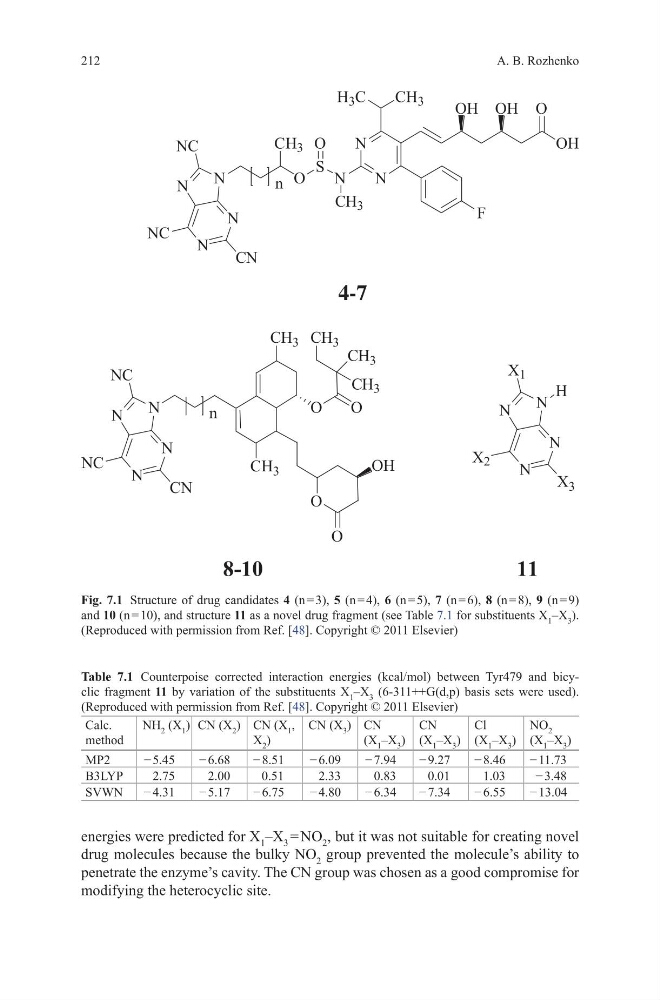
Fig. 7.1 Structure of drug candidates 4 (n = 3), 5 (n = 4), 6 (n = 5), 7 (n = 6), 8 (n = 8), 9 (n = 9)
and 10 (n = 10), and structure 11 as a novel drug fragment (see Table 7.1 for substituents X 1 –X 3 ).
(Reproduced with permission from Ref. [48]. Copyright © 2011 Elsevier)
A. B. Rozhenko
energies were predicted for X 1 –X 3 = NO 2 , but it was not suitable for creating novel
drug molecules because the bulky NO 2 group prevented the molecule’s ability to
penetrate the enzyme’s cavity. The CN group was chosen as a good compromise for
modifying the heterocyclic site.
Table 7.1 Counterpoise corrected interaction energies (kcal/mol) between Tyr479 and bicyclic fragment 11 by variation of the substituents X 1 –X 3 (6-311++G(d,p) basis sets were used).
( Reproduced with permission from Ref. [48]. Copyright © 2011 Elsevier)
Calc.
method
NH 2 (X 1 ) CN (X 2 ) CN (X 1 ,
X 2 )
CN (X 3 ) CN
(X 1 –X 3 )
CN
(X 1 –X 3 )
Cl
(X 1 –X 3 )
NO 2
(X 1 –X 3 )
MP2
− 5.45
− 6.68
− 8.51
− 6.09
− 7.94
− 9.27
− 8.46
− 11.73
B3LYP
2.75
2.00
0.51
2.33
0.83
0.01
1.03
− 3.48
SVWN
− 4.31
− 5.17
− 6.75
− 4.80
− 6.34
− 7.34
− 6.55
− 13.04
1
1
2+ 2+
&+
+ &
1
&+
6
2
2
&+
Q
1
1
1
1
1&
2+
2
1&
&1
)
4-7
2
2
2+
2
&+
&+
2
&+ &+
&+
Q
1
1
1
1
1&
1&
&1
+
1
1
1
1
;
;
;
Fig. 7.1 Structure of drug candidates 4 (n = 3), 5 (n = 4), 6 (n = 5), 7 (n = 6), 8 (n = 8), 9 (n = 9)
and 10 (n = 10), and structure 11 as a novel drug fragment (see Table 7.1 for substituents X 1 –X 3 ).
(Reproduced with permission from Ref. [48]. Copyright © 2011 Elsevier)