

donors with TiCl 4 mononuclear species on the MgCl 2 (1 1 0) surface is the most
plausible scenario from energetic, steric, and electronic points of views [40]. Thus,
the proposed coadsorption model [40] succeeded in reproducing experimentally
well-known results on the influences of donors on catalytic performance, such as
improvements in isospecificity and regiospecificity, elongation of PP molecular
weight, and so on [65–68].
Although the above paragraphs focused on the roles of donors in the formation
of solid catalysts and the active sites thereon, the interaction between donors and
alkylaluminum also plays a crucial role in catalysis. Lewis basic donors not only
form a complex with alkylaluminum, but also react with highly reactive Al–R
bonds: internal donors except 1,3-diether desorb from MgCl 2 surfaces through
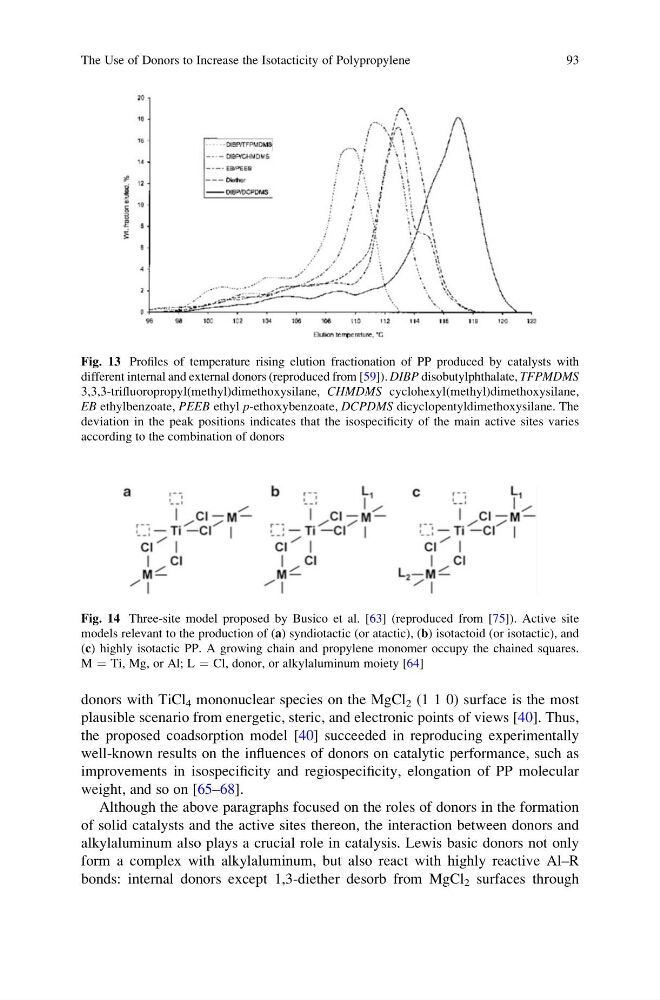
Fig. 14 Three-site model proposed by Busico et al. [63] (reproduced from [75]). Active site
models relevant to the production of (a) syndiotactic (or atactic), (b) isotactoid (or isotactic), and
(c) highly isotactic PP. A growing chain and propylene monomer occupy the chained squares.
M ¼ Ti, Mg, or Al; L ¼ Cl, donor, or alkylaluminum moiety [64]
Fig. 13 Profiles of temperature rising elution fractionation of PP produced by catalysts with
different internal and external donors (reproduced from [59]). DIBP disobutylphthalate, TFPMDMS
3,3,3-trifluoropropyl(methyl)dimethoxysilane, CHMDMS cyclohexyl(methyl)dimethoxysilane,
EB ethylbenzoate, PEEB ethyl p-ethoxybenzoate, DCPDMS dicyclopentyldimethoxysilane. The
deviation in the peak positions indicates that the isospecificity of the main active sites varies
according to the combination of donors
The Use of Donors to Increase the Isotacticity of Polypropylene
93
plausible scenario from energetic, steric, and electronic points of views [40]. Thus,
the proposed coadsorption model [40] succeeded in reproducing experimentally
well-known results on the influences of donors on catalytic performance, such as
improvements in isospecificity and regiospecificity, elongation of PP molecular
weight, and so on [65–68].
Although the above paragraphs focused on the roles of donors in the formation
of solid catalysts and the active sites thereon, the interaction between donors and
alkylaluminum also plays a crucial role in catalysis. Lewis basic donors not only
form a complex with alkylaluminum, but also react with highly reactive Al–R
bonds: internal donors except 1,3-diether desorb from MgCl 2 surfaces through
Fig. 14 Three-site model proposed by Busico et al. [63] (reproduced from [75]). Active site
models relevant to the production of (a) syndiotactic (or atactic), (b) isotactoid (or isotactic), and
(c) highly isotactic PP. A growing chain and propylene monomer occupy the chained squares.
M ¼ Ti, Mg, or Al; L ¼ Cl, donor, or alkylaluminum moiety [64]
Fig. 13 Profiles of temperature rising elution fractionation of PP produced by catalysts with
different internal and external donors (reproduced from [59]). DIBP disobutylphthalate, TFPMDMS
3,3,3-trifluoropropyl(methyl)dimethoxysilane, CHMDMS cyclohexyl(methyl)dimethoxysilane,
EB ethylbenzoate, PEEB ethyl p-ethoxybenzoate, DCPDMS dicyclopentyldimethoxysilane. The
deviation in the peak positions indicates that the isospecificity of the main active sites varies
according to the combination of donors
The Use of Donors to Increase the Isotacticity of Polypropylene
93