

and of N-containing external donors, the catalyst employing succinate as an internal
donor is nominated as a sixth generation catalyst. The specific features of succinate
are commonly attributed to the presence of chiral centers in the framework, which
plausibly enables the coexistence of donors having different stereostructures.
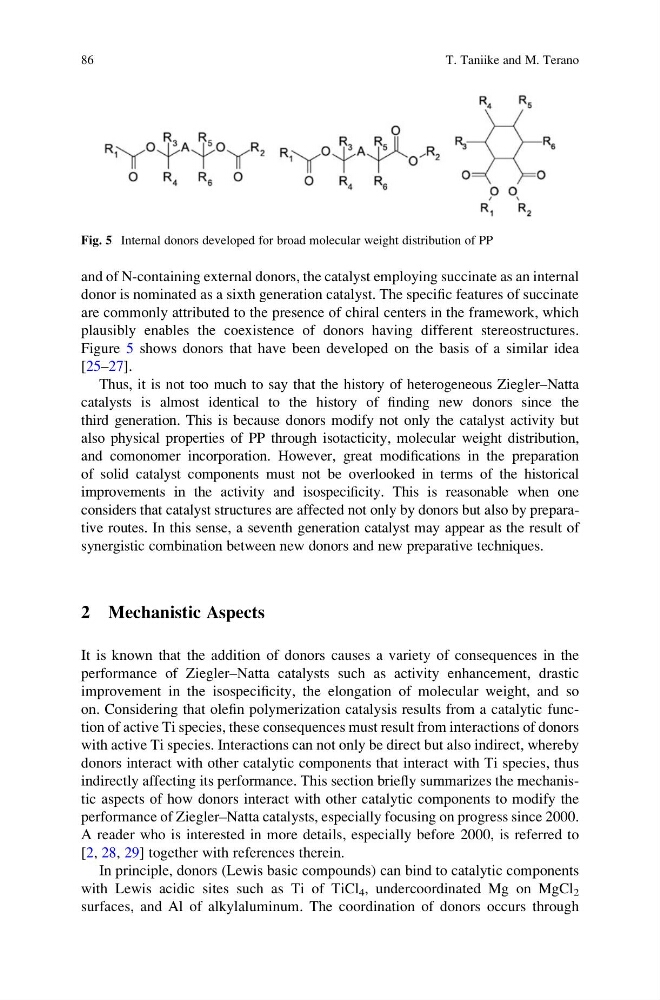
Figure 5 shows donors that have been developed on the basis of a similar idea
[25–27].
Thus, it is not too much to say that the history of heterogeneous Ziegler–Natta
catalysts is almost identical to the history of finding new donors since the
third generation. This is because donors modify not only the catalyst activity but
also physical properties of PP through isotacticity, molecular weight distribution,
and comonomer incorporation. However, great modifications in the preparation
of solid catalyst components must not be overlooked in terms of the historical
improvements in the activity and isospecificity. This is reasonable when one
considers that catalyst structures are affected not only by donors but also by preparative routes. In this sense, a seventh generation catalyst may appear as the result of
synergistic combination between new donors and new preparative techniques.
2 Mechanistic Aspects
It is known that the addition of donors causes a variety of consequences in the
performance of Ziegler–Natta catalysts such as activity enhancement, drastic
improvement in the isospecificity, the elongation of molecular weight, and so
on. Considering that olefin polymerization catalysis results from a catalytic function of active Ti species, these consequences must result from interactions of donors
with active Ti species. Interactions can not only be direct but also indirect, whereby
donors interact with other catalytic components that interact with Ti species, thus
indirectly affecting its performance. This section briefly summarizes the mechanistic aspects of how donors interact with other catalytic components to modify the
performance of Ziegler–Natta catalysts, especially focusing on progress since 2000.
A reader who is interested in more details, especially before 2000, is referred to
[2, 28, 29] together with references therein.
In principle, donors (Lewis basic compounds) can bind to catalytic components
with Lewis acidic sites such as Ti of TiCl 4 , undercoordinated Mg on MgCl 2
surfaces, and Al of alkylaluminum. The coordination of donors occurs through
Fig. 5 Internal donors developed for broad molecular weight distribution of PP
86
T. Taniike and M. Terano
donor is nominated as a sixth generation catalyst. The specific features of succinate
are commonly attributed to the presence of chiral centers in the framework, which
plausibly enables the coexistence of donors having different stereostructures.
Figure 5 shows donors that have been developed on the basis of a similar idea
[25–27].
Thus, it is not too much to say that the history of heterogeneous Ziegler–Natta
catalysts is almost identical to the history of finding new donors since the
third generation. This is because donors modify not only the catalyst activity but
also physical properties of PP through isotacticity, molecular weight distribution,
and comonomer incorporation. However, great modifications in the preparation
of solid catalyst components must not be overlooked in terms of the historical
improvements in the activity and isospecificity. This is reasonable when one
considers that catalyst structures are affected not only by donors but also by preparative routes. In this sense, a seventh generation catalyst may appear as the result of
synergistic combination between new donors and new preparative techniques.
2 Mechanistic Aspects
It is known that the addition of donors causes a variety of consequences in the
performance of Ziegler–Natta catalysts such as activity enhancement, drastic
improvement in the isospecificity, the elongation of molecular weight, and so
on. Considering that olefin polymerization catalysis results from a catalytic function of active Ti species, these consequences must result from interactions of donors
with active Ti species. Interactions can not only be direct but also indirect, whereby
donors interact with other catalytic components that interact with Ti species, thus
indirectly affecting its performance. This section briefly summarizes the mechanistic aspects of how donors interact with other catalytic components to modify the
performance of Ziegler–Natta catalysts, especially focusing on progress since 2000.
A reader who is interested in more details, especially before 2000, is referred to
[2, 28, 29] together with references therein.
In principle, donors (Lewis basic compounds) can bind to catalytic components
with Lewis acidic sites such as Ti of TiCl 4 , undercoordinated Mg on MgCl 2
surfaces, and Al of alkylaluminum. The coordination of donors occurs through
Fig. 5 Internal donors developed for broad molecular weight distribution of PP
86
T. Taniike and M. Terano