

198
water extraction and water-based ultrasound extraction (Zhang and Wang 2017).
Bajkacz and Adamek (2017) used natural deep eutectic solvent-based ultrasound
microextraction procedure that provided high accuracy, sensitivity, and high extraction efficiency for the simultaneous analysis of four isoflavones. This method was
faster in the addition of higher recoveries with lower relative standard deviation in
comparison with the Soxhlet extraction and microwave extraction methods (Bajkacz
and Adamek 2017). In addition, the extraction yield of wine lees anthocyanins was
improved in comparison to alternative methods (stirring, heating, and
heating+stirring) and to the extraction with conventional solvents (water, methanol,
ethanol, 70% methanol, 70% ethanol) (Jeong et al. 2017).
6.2.3 Microwave Extraction
This technique uses the non-ionized electromagnetic irradiation in a frequency
range of 0.3–300 GHz in order to heat both solvent and samples by movements of
ions and rotation of molecular and atomic dipoles, leading to an increase in the
extraction kinetics (Fig. 6.8). In addition to the method parameters, the extraction
efficiency depends on the pressure, the radiation power and the sample composition.
This method is known for many advantages: homogeneous heating, high speed, and
high heat efficiency, which may be responsible for a high extraction efficiency and
short extraction time (Cui et al. 2015; Peng et al. 2016; Wang et al. 2018). Examples
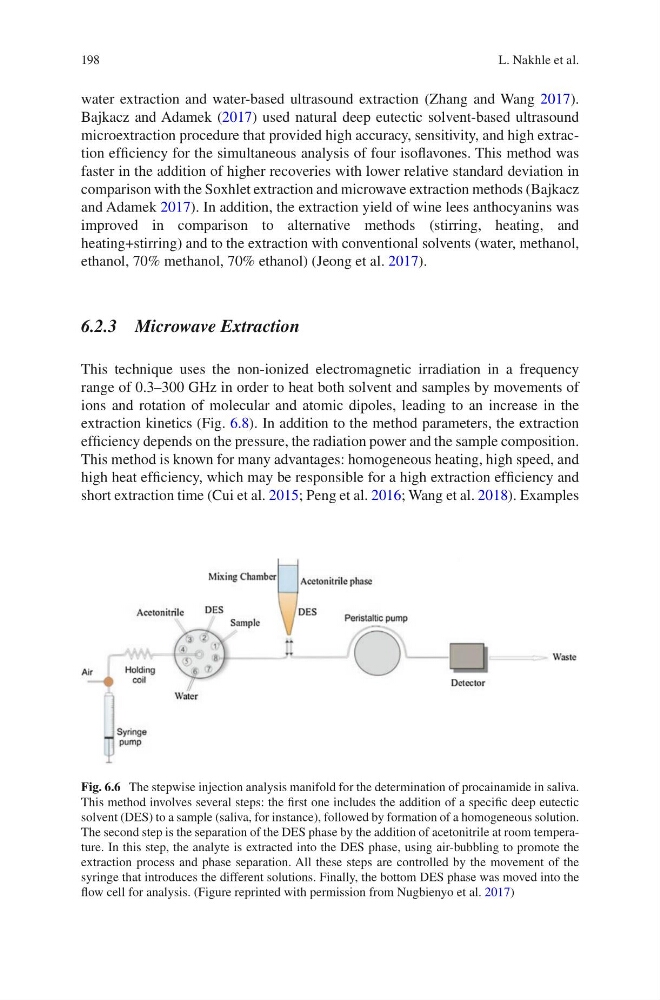
Fig. 6.6 The stepwise injection analysis manifold for the determination of procainamide in saliva.
This method involves several steps: the first one includes the addition of a specific deep eutectic
solvent (DES) to a sample (saliva, for instance), followed by formation of a homogeneous solution.
The second step is the separation of the DES phase by the addition of acetonitrile at room temperature. In this step, the analyte is extracted into the DES phase, using air-bubbling to promote the
extraction process and phase separation. All these steps are controlled by the movement of the
syringe that introduces the different solutions. Finally, the bottom DES phase was moved into the
flow cell for analysis. (Figure reprinted with permission from Nugbienyo et al. 2017)
L. Nakhle et al.
water extraction and water-based ultrasound extraction (Zhang and Wang 2017).
Bajkacz and Adamek (2017) used natural deep eutectic solvent-based ultrasound
microextraction procedure that provided high accuracy, sensitivity, and high extraction efficiency for the simultaneous analysis of four isoflavones. This method was
faster in the addition of higher recoveries with lower relative standard deviation in
comparison with the Soxhlet extraction and microwave extraction methods (Bajkacz
and Adamek 2017). In addition, the extraction yield of wine lees anthocyanins was
improved in comparison to alternative methods (stirring, heating, and
heating+stirring) and to the extraction with conventional solvents (water, methanol,
ethanol, 70% methanol, 70% ethanol) (Jeong et al. 2017).
6.2.3 Microwave Extraction
This technique uses the non-ionized electromagnetic irradiation in a frequency
range of 0.3–300 GHz in order to heat both solvent and samples by movements of
ions and rotation of molecular and atomic dipoles, leading to an increase in the
extraction kinetics (Fig. 6.8). In addition to the method parameters, the extraction
efficiency depends on the pressure, the radiation power and the sample composition.
This method is known for many advantages: homogeneous heating, high speed, and
high heat efficiency, which may be responsible for a high extraction efficiency and
short extraction time (Cui et al. 2015; Peng et al. 2016; Wang et al. 2018). Examples
Fig. 6.6 The stepwise injection analysis manifold for the determination of procainamide in saliva.
This method involves several steps: the first one includes the addition of a specific deep eutectic
solvent (DES) to a sample (saliva, for instance), followed by formation of a homogeneous solution.
The second step is the separation of the DES phase by the addition of acetonitrile at room temperature. In this step, the analyte is extracted into the DES phase, using air-bubbling to promote the
extraction process and phase separation. All these steps are controlled by the movement of the
syringe that introduces the different solutions. Finally, the bottom DES phase was moved into the
flow cell for analysis. (Figure reprinted with permission from Nugbienyo et al. 2017)
L. Nakhle et al.