

234
2.5 nm. The catalytic activity of these ruthenium nanoparticles was evaluated in the
hydrogenation of various unsaturated substrates such as long-chain alkenes under
1 bar of hydrogen at room temperature (Table 5.5).
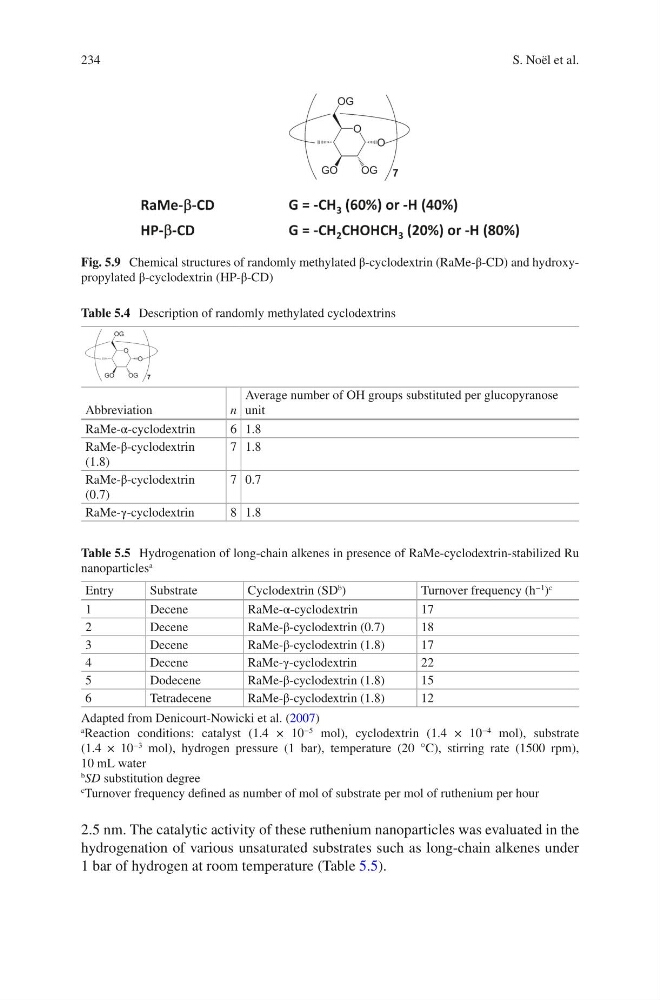
Fig. 5.9 Chemical structures of randomly methylated β-cyclodextrin (RaMe-β-CD) and hydroxypropylated β-cyclodextrin (HP-β-CD)
Table 5.4 Description of randomly methylated cyclodextrins
Abbreviation
n
Average number of OH groups substituted per glucopyranose
unit
RaMe-α-cyclodextrin
6 1.8
RaMe-β-cyclodextrin
(1.8)
7 1.8
RaMe-β-cyclodextrin
(0.7)
7 0.7
RaMe-γ-cyclodextrin
8 1.8
Table 5.5 Hydrogenation of long-chain alkenes in presence of RaMe-cyclodextrin-stabilized Ru
nanoparticles
a
Entry
Substrate
Cyclodextrin (SD
b )
Turnover frequency (h
−1 )
c
1
Decene
RaMe-α-cyclodextrin
17
2
Decene
RaMe-β-cyclodextrin (0.7)
18
3
Decene
RaMe-β-cyclodextrin (1.8)
17
4
Decene
RaMe-γ-cyclodextrin
22
5
Dodecene
RaMe-β-cyclodextrin (1.8)
15
6
Tetradecene
RaMe-β-cyclodextrin (1.8)
12
Adapted from Denicourt-Nowicki et al. (2007)
a
Reaction conditions: catalyst (1.4 × 10
−5 mol), cyclodextrin (1.4 × 10
−4 mol), substrate
(1.4 × 10
−3 mol), hydrogen pressure (1 bar), temperature (20 °C), stirring rate (1500 rpm),
10 mL water
b
SD substitution degree
c
Turnover frequency defined as number of mol of substrate per mol of ruthenium per hour
S. Noël et al.
2.5 nm. The catalytic activity of these ruthenium nanoparticles was evaluated in the
hydrogenation of various unsaturated substrates such as long-chain alkenes under
1 bar of hydrogen at room temperature (Table 5.5).
Fig. 5.9 Chemical structures of randomly methylated β-cyclodextrin (RaMe-β-CD) and hydroxypropylated β-cyclodextrin (HP-β-CD)
Table 5.4 Description of randomly methylated cyclodextrins
Abbreviation
n
Average number of OH groups substituted per glucopyranose
unit
RaMe-α-cyclodextrin
6 1.8
RaMe-β-cyclodextrin
(1.8)
7 1.8
RaMe-β-cyclodextrin
(0.7)
7 0.7
RaMe-γ-cyclodextrin
8 1.8
Table 5.5 Hydrogenation of long-chain alkenes in presence of RaMe-cyclodextrin-stabilized Ru
nanoparticles
a
Entry
Substrate
Cyclodextrin (SD
b )
Turnover frequency (h
−1 )
c
1
Decene
RaMe-α-cyclodextrin
17
2
Decene
RaMe-β-cyclodextrin (0.7)
18
3
Decene
RaMe-β-cyclodextrin (1.8)
17
4
Decene
RaMe-γ-cyclodextrin
22
5
Dodecene
RaMe-β-cyclodextrin (1.8)
15
6
Tetradecene
RaMe-β-cyclodextrin (1.8)
12
Adapted from Denicourt-Nowicki et al. (2007)
a
Reaction conditions: catalyst (1.4 × 10
−5 mol), cyclodextrin (1.4 × 10
−4 mol), substrate
(1.4 × 10
−3 mol), hydrogen pressure (1 bar), temperature (20 °C), stirring rate (1500 rpm),
10 mL water
b
SD substitution degree
c
Turnover frequency defined as number of mol of substrate per mol of ruthenium per hour
S. Noël et al.