

137
the inhibiting products by cyclodextrin molecular encapsulation (Szejtli 1990b,
1991a, 1996; Szejtli and Osa 1996).
2.5.7 Potential Industrial Applications
An interesting field of application of insoluble polymers prepared by cross-linking
of cyclodextrins using epoxide cross-linking agents was the purification and separation processes, including isolation or concentration of products, e.g., antibiotics and
aroma substances, elimination of undesired substances, purification processes, and
wastewater treatment (Szejtli et al. 1978a; Zsadon et al. 1979a; Otta et al. 1982).
Polymers containing cyclodextrins can bind efficiently pollutants from aqueous
solutions via inclusion complexes. The same materials can also be used for the
removal of substances from vapor phase (Otta et al. 1982). They can be applied in
two forms: (1) as a powder or granulate, e.g., particles of irregular shape or regular
beads, and (2) as column packings.
The first cellulose-cyclodextrin copolymer was patented in 1980 (Szejtli et al.
1980i, 1982b; Otta et al. 1982). Alkali-swollen cellulose fibers were reacted with
cyclodextrin and epichlorohydrin. The chemically bound cyclodextrin retained its
complex-forming ability and could be loaded with biologically active substances
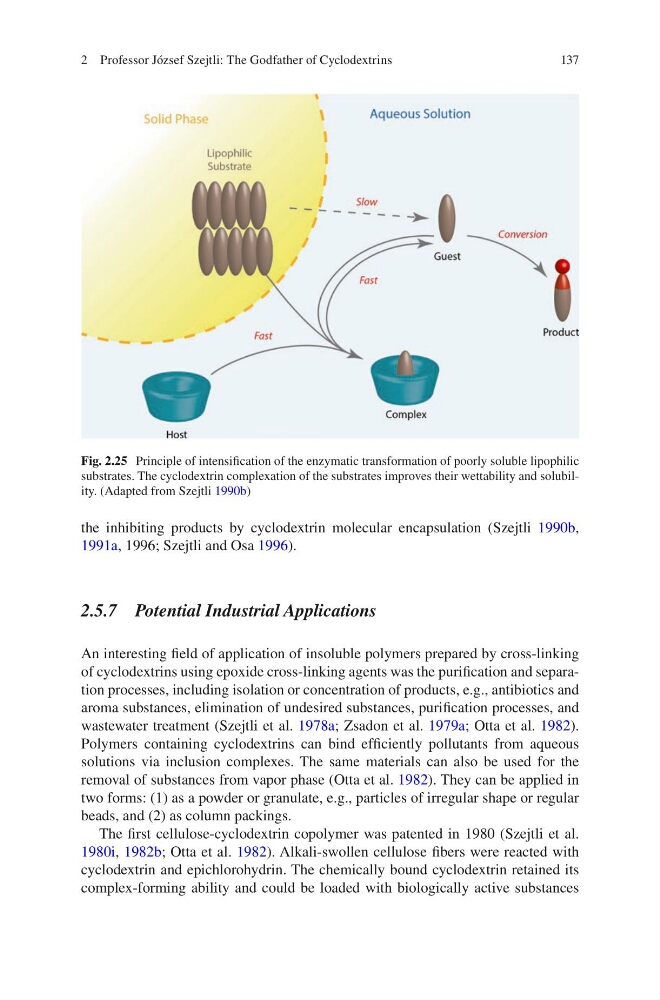
Fig. 2.25 Principle of intensification of the enzymatic transformation of poorly soluble lipophilic
substrates. The cyclodextrin complexation of the substrates improves their wettability and solubility. (Adapted from Szejtli 1990b)
2 Professor József Szejtli: The Godfather of Cyclodextrins
the inhibiting products by cyclodextrin molecular encapsulation (Szejtli 1990b,
1991a, 1996; Szejtli and Osa 1996).
2.5.7 Potential Industrial Applications
An interesting field of application of insoluble polymers prepared by cross-linking
of cyclodextrins using epoxide cross-linking agents was the purification and separation processes, including isolation or concentration of products, e.g., antibiotics and
aroma substances, elimination of undesired substances, purification processes, and
wastewater treatment (Szejtli et al. 1978a; Zsadon et al. 1979a; Otta et al. 1982).
Polymers containing cyclodextrins can bind efficiently pollutants from aqueous
solutions via inclusion complexes. The same materials can also be used for the
removal of substances from vapor phase (Otta et al. 1982). They can be applied in
two forms: (1) as a powder or granulate, e.g., particles of irregular shape or regular
beads, and (2) as column packings.
The first cellulose-cyclodextrin copolymer was patented in 1980 (Szejtli et al.
1980i, 1982b; Otta et al. 1982). Alkali-swollen cellulose fibers were reacted with
cyclodextrin and epichlorohydrin. The chemically bound cyclodextrin retained its
complex-forming ability and could be loaded with biologically active substances
Fig. 2.25 Principle of intensification of the enzymatic transformation of poorly soluble lipophilic
substrates. The cyclodextrin complexation of the substrates improves their wettability and solubility. (Adapted from Szejtli 1990b)
2 Professor József Szejtli: The Godfather of Cyclodextrins