

124
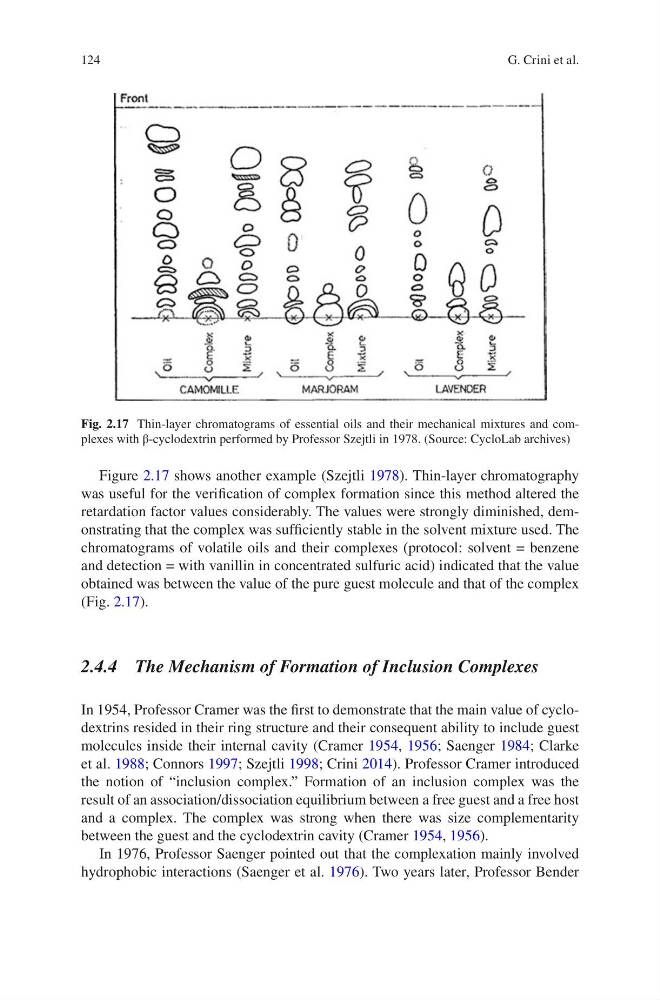
Figure 2.17 shows another example (Szejtli 1978). Thin-layer chromatography
was useful for the verification of complex formation since this method altered the
retardation factor values considerably. The values were strongly diminished, demonstrating that the complex was sufficiently stable in the solvent mixture used. The
chromatograms of volatile oils and their complexes (protocol: solvent = benzene
and detection = with vanillin in concentrated sulfuric acid) indicated that the value
obtained was between the value of the pure guest molecule and that of the complex
(Fig. 2.17).
2.4.4 The Mechanism of Formation of Inclusion Complexes
In 1954, Professor Cramer was the first to demonstrate that the main value of cyclodextrins resided in their ring structure and their consequent ability to include guest
molecules inside their internal cavity (Cramer 1954, 1956; Saenger 1984; Clarke
et al. 1988; Connors 1997; Szejtli 1998; Crini 2014). Professor Cramer introduced
the notion of “inclusion complex.” Formation of an inclusion complex was the
result of an association/dissociation equilibrium between a free guest and a free host
and a complex. The complex was strong when there was size complementarity
between the guest and the cyclodextrin cavity (Cramer 1954, 1956).
In 1976, Professor Saenger pointed out that the complexation mainly involved
hydrophobic interactions (Saenger et al. 1976). Two years later, Professor Bender
Fig. 2.17 Thin-layer chromatograms of essential oils and their mechanical mixtures and complexes with β-cyclodextrin performed by Professor Szejtli in 1978. (Source: CycloLab archives)
G. Crini et al.
Figure 2.17 shows another example (Szejtli 1978). Thin-layer chromatography
was useful for the verification of complex formation since this method altered the
retardation factor values considerably. The values were strongly diminished, demonstrating that the complex was sufficiently stable in the solvent mixture used. The
chromatograms of volatile oils and their complexes (protocol: solvent = benzene
and detection = with vanillin in concentrated sulfuric acid) indicated that the value
obtained was between the value of the pure guest molecule and that of the complex
(Fig. 2.17).
2.4.4 The Mechanism of Formation of Inclusion Complexes
In 1954, Professor Cramer was the first to demonstrate that the main value of cyclodextrins resided in their ring structure and their consequent ability to include guest
molecules inside their internal cavity (Cramer 1954, 1956; Saenger 1984; Clarke
et al. 1988; Connors 1997; Szejtli 1998; Crini 2014). Professor Cramer introduced
the notion of “inclusion complex.” Formation of an inclusion complex was the
result of an association/dissociation equilibrium between a free guest and a free host
and a complex. The complex was strong when there was size complementarity
between the guest and the cyclodextrin cavity (Cramer 1954, 1956).
In 1976, Professor Saenger pointed out that the complexation mainly involved
hydrophobic interactions (Saenger et al. 1976). Two years later, Professor Bender
Fig. 2.17 Thin-layer chromatograms of essential oils and their mechanical mixtures and complexes with β-cyclodextrin performed by Professor Szejtli in 1978. (Source: CycloLab archives)
G. Crini et al.