

168
Sensemaking in Safety Critical and Complex Situations
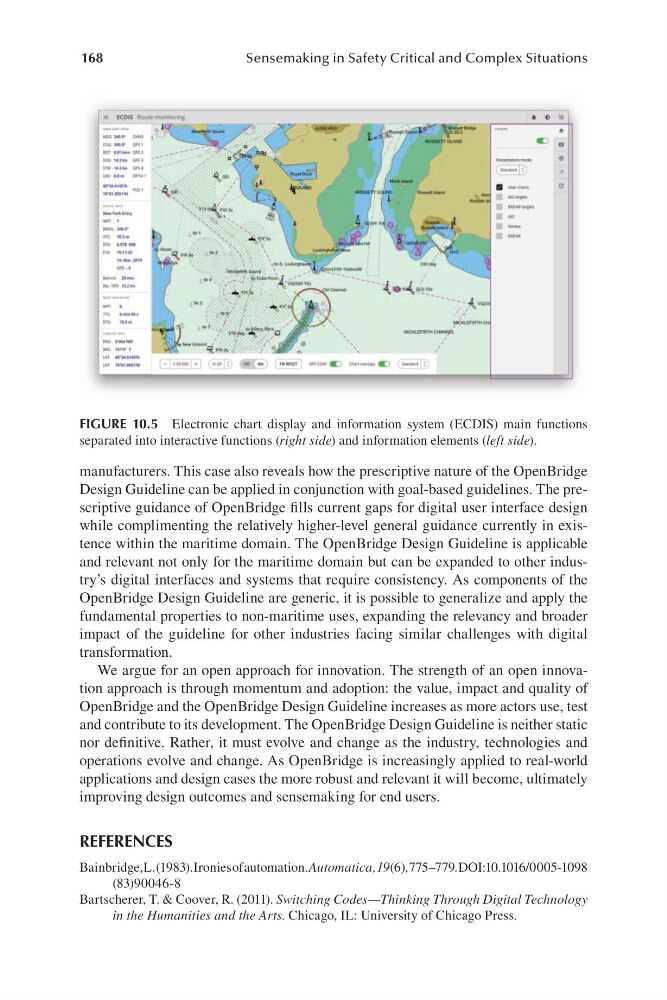
FIGURE 10.5 Electronic chart display and information system (E CDIS) main functions
separated into interactive functions (right side) and information elements (left side).
manufacturers. This case also reveals how the prescriptive nature of the OpenBridge
Design Guideline can be applied in conjunction with g oal-based guidelines. The prescriptive guidance of OpenBridge fills current gaps for digital user interface design
while complimenting the relatively higher-level general guidance currently in existence within the maritime domain. The OpenBridge Design Guideline is applicable
and relevant not only for the maritime domain but can be expanded to other industry’s digital interfaces and systems that require consistency. As components of the
OpenBridge Design Guideline are generic, it is possible to generalize and apply the
fundamental properties to n on-maritime uses, expanding the relevancy and broader
impact of the guideline for other industries facing similar challenges with digital
transformation.
We argue for an open approach for innovation. The strength of an open innovation approach is through momentum and adoption: the value, impact and quality of
OpenBridge and the OpenBridge Design Guideline increases as more actors use, test
and contribute to its development. The OpenBridge Design Guideline is neither static
nor definitive. Rather, it must evolve and change as the industry, technologies and
operations evolve and change. As OpenBridge is increasingly applied to r eal-world
applications and design cases the more robust and relevant it will become, ultimately
improving design outcomes and sensemaking for end users.
REFERENCES
Bainbridge, L. ( 1983). Ironies of automation. Automatica, 19(6),775–779.DOI:10.1016/0005-1098
(83)90046-8
Bartscherer, T. & Coover, R. ( 2011). Switching Codes—Thinking Through Digital Technology
in the Humanities and the Arts. Chicago, IL: University of Chicago Press.
Sensemaking in Safety Critical and Complex Situations
FIGURE 10.5 Electronic chart display and information system (E CDIS) main functions
separated into interactive functions (right side) and information elements (left side).
manufacturers. This case also reveals how the prescriptive nature of the OpenBridge
Design Guideline can be applied in conjunction with g oal-based guidelines. The prescriptive guidance of OpenBridge fills current gaps for digital user interface design
while complimenting the relatively higher-level general guidance currently in existence within the maritime domain. The OpenBridge Design Guideline is applicable
and relevant not only for the maritime domain but can be expanded to other industry’s digital interfaces and systems that require consistency. As components of the
OpenBridge Design Guideline are generic, it is possible to generalize and apply the
fundamental properties to n on-maritime uses, expanding the relevancy and broader
impact of the guideline for other industries facing similar challenges with digital
transformation.
We argue for an open approach for innovation. The strength of an open innovation approach is through momentum and adoption: the value, impact and quality of
OpenBridge and the OpenBridge Design Guideline increases as more actors use, test
and contribute to its development. The OpenBridge Design Guideline is neither static
nor definitive. Rather, it must evolve and change as the industry, technologies and
operations evolve and change. As OpenBridge is increasingly applied to r eal-world
applications and design cases the more robust and relevant it will become, ultimately
improving design outcomes and sensemaking for end users.
REFERENCES
Bainbridge, L. ( 1983). Ironies of automation. Automatica, 19(6),775–779.DOI:10.1016/0005-1098
(83)90046-8
Bartscherer, T. & Coover, R. ( 2011). Switching Codes—Thinking Through Digital Technology
in the Humanities and the Arts. Chicago, IL: University of Chicago Press.