

543
Solvent Processes
desired oil fraction, but also for the control of the yield and/or quality of the DAO at temperatures
which are within the operating limits. If the temperature is too high (i.e., close to the critical temperature of the solvent), the operation becomes unreliable in terms of product yields and character.
If the temperature is too low, the feedstock may be too viscous and have an adverse effect on the
contact with the solvent in the tower.
Liquid propane is by far the most selective solvent among the light hydrocarbons used for deasphalting. At temperatures ranging from 38°C to 65°C (100°F to 150°F), most hydrocarbons are
soluble in propane, while asphaltic and resinous compounds are not, thereby allowing rejection of
33
Nigerian
light
38.1
0.834
0.2
28.2
0.887
2.0
3 vol %
6.4
0.999
Boscan
Venezuela
°API
Sp. gravity
Sulphur % w/w
Arabian
heavy
10.1
20
21
14
10
28
Asphalt
residuum
Hv. gas oil
Lt. gas oil
Gasoline
Kerosene
28
7
6
16
30
27
58
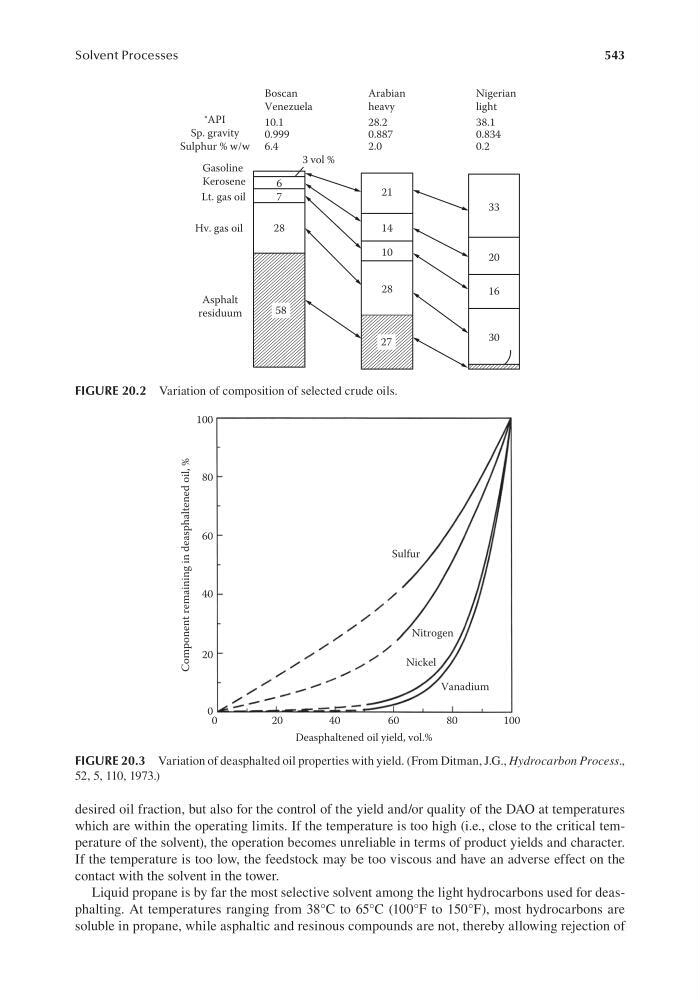
FIGURE 20.2 Variation of composition of selected crude oils.
Sulfur
Nitrogen
Nickel
Vanadium
Component remaining in deasphaltened oil, %
100
100
80
80
60
60
40
40
20
20
0
0
Deasphaltened oil yield, vol.%
FIGURE 20.3 Variation of deasphalted oil properties with yield. (From Ditman, J.G., Hydrocarbon Process.,
52, 5, 110, 1973.)