

420
The Chemistry and Technology of Petroleum
15.12.2 deWAxIng ProCesses
Paraffinic crude oils often contain microcrystalline or paraffin waxes. The crude oil may be treated
with a solvent such as methyl-ethyl-ketone (MEK) to remove this wax before it is processed. This
is not a common practice, however, and solvent dewaxing processes are designed to remove wax
from lubricating oils to give the product good fluidity characteristics at low temperatures (e.g., low
pour points) rather than from the whole crude oil. The mechanism of solvent dewaxing involves
either the separation of wax as a solid that crystallizes from the oil solution at low temperature or
the separation of wax as a liquid that is extracted at temperatures above the melting point of the wax
through preferential selectivity of the solvent. However, the former mechanism is the usual basis for
commercial dewaxing processes.
In the 1930s, two types of stocks, naphthenic and paraffinic, were used to make motor oils.
Both types were solvent extracted to improve their quality, but in the high-temperature conditions encountered in service, the naphthenic type could not stand up as well as the paraffinic type.
Nevertheless, the naphthenic type was the preferred oil, particularly in cold weather, because of
its fluidity at low temperatures. Previous to 1938, the highest quality lubricating oils were of the
naphthenic type and were phenol treated to pour points of −40°C to −7°C (−40°F to 20°F), depending on the viscosity of the oil. Paraffinic oils were also available and could be phenol treated to
higher quality oil, but their wax content was so high that the oils were solid at room temperature.
The lowest viscosity paraffinic oils were dewaxed by the cold press method to produce oils with a
pour point of 2°C (35°F). The light paraffin distillate oils contained a paraffin wax that crystallized
into large crystals when chilled and could thus readily be separated from the oil by the cold press
filtration method. The more viscous paraffinic oils (intermediate and heavy paraffin distillates)
contained amorphous or microcrystalline waxes, which formed small crystals that plugged the filter
cloths in the cold press and prevented filtration. Because the wax could not be removed from intermediate and heavy paraffin distillates, the high-quality, high-viscosity lubricating oils in them could
not be used except as cracking stock.
Methods were therefore developed to dewax these high-viscosity paraffinic oils. The methods
were essentially alike in that the waxy oil was dissolved in a solvent that would keep the oil in
solution; the wax separated as crystals when the temperature was lowered. The processes differed
chiefly in the use of the solvent. Commercially used solvents were naphtha, propane, sulfur dioxide,
Solvent
Heater
Heater
Chiller
Heat exchanger
Steam heater
Feed
Dewaxed oil
evaporator
Slack wax
evaporator
Rotary filter
Wash
solvent
Dewaxed oil
Stack wax
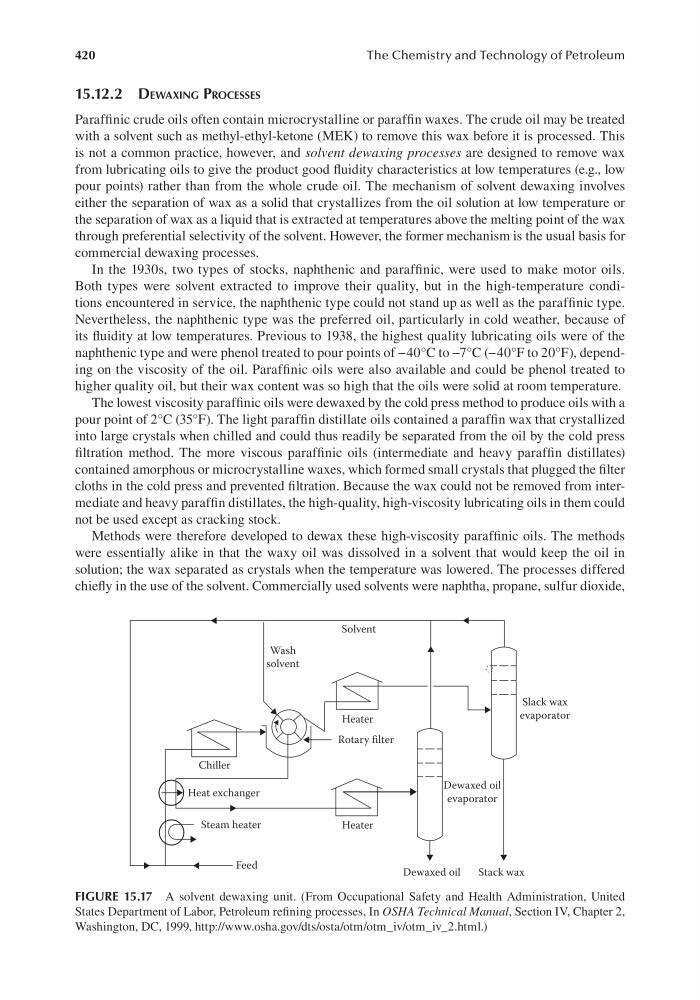
FIGURE 15.17 A solvent dewaxing unit. (From Occupational Safety and Health Administration, United
States Department of Labor, Petroleum refining processes, In OSHA Technical Manual, Section IV, Chapter 2,
Washington, DC, 1999, http://www.osha.gov/dts/osta/otm/otm_iv/otm_iv_2.html.)
The Chemistry and Technology of Petroleum
15.12.2 deWAxIng ProCesses
Paraffinic crude oils often contain microcrystalline or paraffin waxes. The crude oil may be treated
with a solvent such as methyl-ethyl-ketone (MEK) to remove this wax before it is processed. This
is not a common practice, however, and solvent dewaxing processes are designed to remove wax
from lubricating oils to give the product good fluidity characteristics at low temperatures (e.g., low
pour points) rather than from the whole crude oil. The mechanism of solvent dewaxing involves
either the separation of wax as a solid that crystallizes from the oil solution at low temperature or
the separation of wax as a liquid that is extracted at temperatures above the melting point of the wax
through preferential selectivity of the solvent. However, the former mechanism is the usual basis for
commercial dewaxing processes.
In the 1930s, two types of stocks, naphthenic and paraffinic, were used to make motor oils.
Both types were solvent extracted to improve their quality, but in the high-temperature conditions encountered in service, the naphthenic type could not stand up as well as the paraffinic type.
Nevertheless, the naphthenic type was the preferred oil, particularly in cold weather, because of
its fluidity at low temperatures. Previous to 1938, the highest quality lubricating oils were of the
naphthenic type and were phenol treated to pour points of −40°C to −7°C (−40°F to 20°F), depending on the viscosity of the oil. Paraffinic oils were also available and could be phenol treated to
higher quality oil, but their wax content was so high that the oils were solid at room temperature.
The lowest viscosity paraffinic oils were dewaxed by the cold press method to produce oils with a
pour point of 2°C (35°F). The light paraffin distillate oils contained a paraffin wax that crystallized
into large crystals when chilled and could thus readily be separated from the oil by the cold press
filtration method. The more viscous paraffinic oils (intermediate and heavy paraffin distillates)
contained amorphous or microcrystalline waxes, which formed small crystals that plugged the filter
cloths in the cold press and prevented filtration. Because the wax could not be removed from intermediate and heavy paraffin distillates, the high-quality, high-viscosity lubricating oils in them could
not be used except as cracking stock.
Methods were therefore developed to dewax these high-viscosity paraffinic oils. The methods
were essentially alike in that the waxy oil was dissolved in a solvent that would keep the oil in
solution; the wax separated as crystals when the temperature was lowered. The processes differed
chiefly in the use of the solvent. Commercially used solvents were naphtha, propane, sulfur dioxide,
Solvent
Heater
Heater
Chiller
Heat exchanger
Steam heater
Feed
Dewaxed oil
evaporator
Slack wax
evaporator
Rotary filter
Wash
solvent
Dewaxed oil
Stack wax
FIGURE 15.17 A solvent dewaxing unit. (From Occupational Safety and Health Administration, United
States Department of Labor, Petroleum refining processes, In OSHA Technical Manual, Section IV, Chapter 2,
Washington, DC, 1999, http://www.osha.gov/dts/osta/otm/otm_iv/otm_iv_2.html.)