

404
The Chemistry and Technology of Petroleum
Gas oil
Fractionator
Coke drum
Coke drum
Gas + gasoline
Recycle
Furnace
Feed
Heavy
distillate
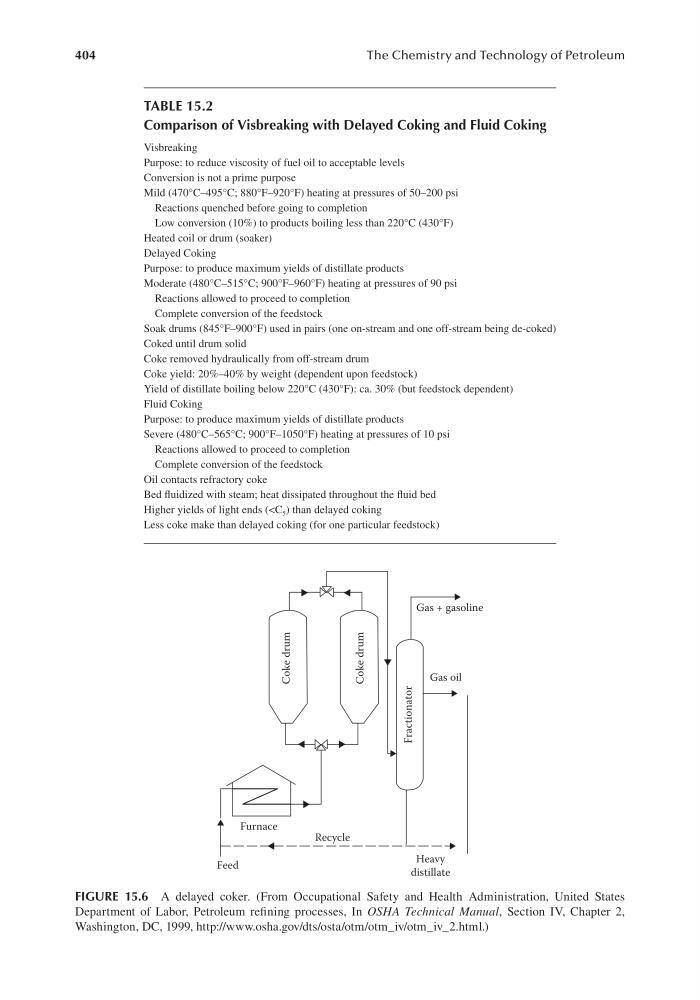
FIGURE 15.6 A delayed coker. (From Occupational Safety and Health Administration, United States
Department of Labor, Petroleum refining processes, In OSHA Technical Manual, Section IV, Chapter 2,
Washington, DC, 1999, http://www.osha.gov/dts/osta/otm/otm_iv/otm_iv_2.html.)
TABLE 15.2
Comparison of Visbreaking with Delayed Coking and Fluid Coking
Visbreaking
Purpose: to reduce viscosity of fuel oil to acceptable levels
Conversion is not a prime purpose
Mild (470°C–495°C; 880°F–920°F) heating at pressures of 50–200 psi
Reactions quenched before going to completion
Low conversion (10%) to products boiling less than 220°C (430°F)
Heated coil or drum (soaker)
Delayed Coking
Purpose: to produce maximum yields of distillate products
Moderate (480°C–515°C; 900°F–960°F) heating at pressures of 90 psi
Reactions allowed to proceed to completion
Complete conversion of the feedstock
Soak drums (845°F–900°F) used in pairs (one on-stream and one off-stream being de-coked)
Coked until drum solid
Coke removed hydraulically from off-stream drum
Coke yield: 20%–40% by weight (dependent upon feedstock)
Yield of distillate boiling below 220°C (430°F): ca. 30% (but feedstock dependent)
Fluid Coking
Purpose: to produce maximum yields of distillate products
Severe (480°C–565°C; 900°F–1050°F) heating at pressures of 10 psi
Reactions allowed to proceed to completion
Complete conversion of the feedstock
Oil contacts refractory coke
Bed fluidized with steam; heat dissipated throughout the fluid bed
Higher yields of light ends (
The Chemistry and Technology of Petroleum
Gas oil
Fractionator
Coke drum
Coke drum
Gas + gasoline
Recycle
Furnace
Feed
Heavy
distillate
FIGURE 15.6 A delayed coker. (From Occupational Safety and Health Administration, United States
Department of Labor, Petroleum refining processes, In OSHA Technical Manual, Section IV, Chapter 2,
Washington, DC, 1999, http://www.osha.gov/dts/osta/otm/otm_iv/otm_iv_2.html.)
TABLE 15.2
Comparison of Visbreaking with Delayed Coking and Fluid Coking
Visbreaking
Purpose: to reduce viscosity of fuel oil to acceptable levels
Conversion is not a prime purpose
Mild (470°C–495°C; 880°F–920°F) heating at pressures of 50–200 psi
Reactions quenched before going to completion
Low conversion (10%) to products boiling less than 220°C (430°F)
Heated coil or drum (soaker)
Delayed Coking
Purpose: to produce maximum yields of distillate products
Moderate (480°C–515°C; 900°F–960°F) heating at pressures of 90 psi
Reactions allowed to proceed to completion
Complete conversion of the feedstock
Soak drums (845°F–900°F) used in pairs (one on-stream and one off-stream being de-coked)
Coked until drum solid
Coke removed hydraulically from off-stream drum
Coke yield: 20%–40% by weight (dependent upon feedstock)
Yield of distillate boiling below 220°C (430°F): ca. 30% (but feedstock dependent)
Fluid Coking
Purpose: to produce maximum yields of distillate products
Severe (480°C–565°C; 900°F–1050°F) heating at pressures of 10 psi
Reactions allowed to proceed to completion
Complete conversion of the feedstock
Oil contacts refractory coke
Bed fluidized with steam; heat dissipated throughout the fluid bed
Higher yields of light ends (