

403
Introduction to Refining Processes
15.5.2.3 Coking
Coking is a thermal process for the continuous conversion of heavy, low-grade oils into lighter products. Unlike visbreaking, coking involved compete thermal conversion of the feedstock into volatile
products and coke (Table 15.2). The feedstock is typically a residuum, and the products are gases,
naphtha, fuel oil, gas oil, and coke. The gas oil may be the major product of a coking operation and
serves primarily as a feedstock for catalytic cracking units. The coke obtained is usually used as
fuel but specialty uses, such as electrode manufacture, production of chemicals, and metallurgical
coke, are also possible and increases the value of the coke. For these uses, the coke may require
treatment to remove sulfur and metal impurities.
After a gap of several years, the recovery of heavy oils either through secondary recovery
techniques or from oil sand formations caused a renewal of interest in these feedstocks in the 1960s
and, henceforth, for coking operations. Furthermore, the increasing attention paid to reducing atmospheric pollution has also served to direct some attention to coking, since the process not only concentrates pollutants such as feedstock sulfur in the coke, but also can usually yield volatile products
that can be conveniently desulfurized.
Investigations of technologies that result in the production of coke are almost as old as the refining industry itself, but the development of the modern coking processes can be traced in the 1930s
with many units being added to refineries in the 1940–1970 era. Coking processes generally utilize
longer reaction times than the older thermal cracking processes and, in fact, may be considered to
be descendents of the thermal cracking processes.
Delayed coking is a semicontinuous process (Figure 15.6) in which the heated charge is transferred to large soaking (or coking) drums, which provide the long residence time needed to allow
the cracking reactions to proceed to completion. The feed to these units is normally an atmospheric
residuum although cracked residua are also used.
The feedstock is introduced into the product fractionator where it is heated and lighter fractions are removed as a side streams. The fractionator bottoms, including a recycle stream of heavy
product, are then heated in a furnace whose outlet temperature varies from 480°C to 515°C (895°F
to 960°F). The heated feedstock enters one of a pair of coking drums where the cracking reactions
Furnace
Quench
Cracked or
visbroken
residue
Gas +
gasoline
Gas oil
Soaker
Fractionator
Internals
for reducing
backmixing
Feed
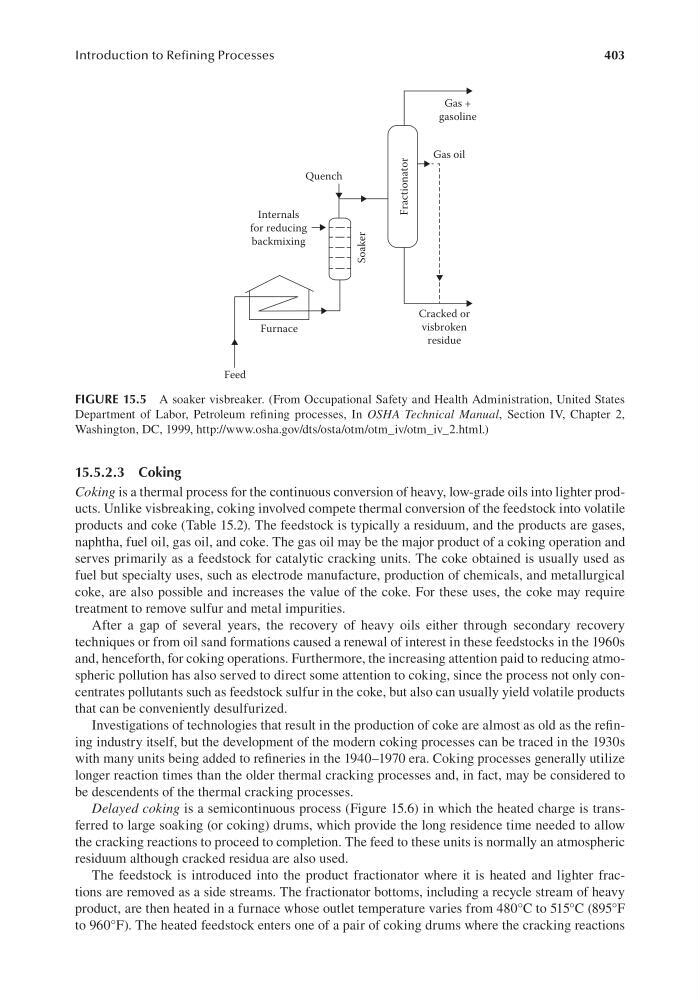
FIGURE 15.5 A soaker visbreaker. (From Occupational Safety and Health Administration, United States
Department of Labor, Petroleum refining processes, In OSHA Technical Manual, Section IV, Chapter 2,
Washington, DC, 1999, http://www.osha.gov/dts/osta/otm/otm_iv/otm_iv_2.html.)
Introduction to Refining Processes
15.5.2.3 Coking
Coking is a thermal process for the continuous conversion of heavy, low-grade oils into lighter products. Unlike visbreaking, coking involved compete thermal conversion of the feedstock into volatile
products and coke (Table 15.2). The feedstock is typically a residuum, and the products are gases,
naphtha, fuel oil, gas oil, and coke. The gas oil may be the major product of a coking operation and
serves primarily as a feedstock for catalytic cracking units. The coke obtained is usually used as
fuel but specialty uses, such as electrode manufacture, production of chemicals, and metallurgical
coke, are also possible and increases the value of the coke. For these uses, the coke may require
treatment to remove sulfur and metal impurities.
After a gap of several years, the recovery of heavy oils either through secondary recovery
techniques or from oil sand formations caused a renewal of interest in these feedstocks in the 1960s
and, henceforth, for coking operations. Furthermore, the increasing attention paid to reducing atmospheric pollution has also served to direct some attention to coking, since the process not only concentrates pollutants such as feedstock sulfur in the coke, but also can usually yield volatile products
that can be conveniently desulfurized.
Investigations of technologies that result in the production of coke are almost as old as the refining industry itself, but the development of the modern coking processes can be traced in the 1930s
with many units being added to refineries in the 1940–1970 era. Coking processes generally utilize
longer reaction times than the older thermal cracking processes and, in fact, may be considered to
be descendents of the thermal cracking processes.
Delayed coking is a semicontinuous process (Figure 15.6) in which the heated charge is transferred to large soaking (or coking) drums, which provide the long residence time needed to allow
the cracking reactions to proceed to completion. The feed to these units is normally an atmospheric
residuum although cracked residua are also used.
The feedstock is introduced into the product fractionator where it is heated and lighter fractions are removed as a side streams. The fractionator bottoms, including a recycle stream of heavy
product, are then heated in a furnace whose outlet temperature varies from 480°C to 515°C (895°F
to 960°F). The heated feedstock enters one of a pair of coking drums where the cracking reactions
Furnace
Quench
Cracked or
visbroken
residue
Gas +
gasoline
Gas oil
Soaker
Fractionator
Internals
for reducing
backmixing
Feed
FIGURE 15.5 A soaker visbreaker. (From Occupational Safety and Health Administration, United States
Department of Labor, Petroleum refining processes, In OSHA Technical Manual, Section IV, Chapter 2,
Washington, DC, 1999, http://www.osha.gov/dts/osta/otm/otm_iv/otm_iv_2.html.)