

233
Fractional Composition
and aromatics), PINA (paraffins, iso-paraffins, naphthenes, and aromatics), or SARA (saturates,
aromatics, resins, and asphaltenes). However, it must be recognized that the fractions produced by
the use of different adsorbents will differ in content and will also be different from fractions produced by solvent separation techniques.
The variety of fractions isolated by these methods and the potential for the differences in composition of the fractions makes it even more essential that the method is described accurately and that
it is reproducible not only in any one laboratory but also between various laboratories.
9.5 CHEMICAL METHODS
The most common methods that have been used for the separation procedure, other than the use
of ferric chloride on an adsorbent, involve the use of sulfuric acid and urea adduction. Although to
be truthful, the urea adduction method is in reality a physical method but insofar as it provides a
separation that is specific to certain constituents of petroleum it is included here. There are many
other methods that have been used for the chemical separation of petroleum that are now included
as refinery processes. The acid treatment (particularly the sulfuric acid method) and the urea addition method are still widely used in the laboratory and hence the inclusion of these methods here.
9.5.1 ACId treAtment
The method of chemical separation commonly applied is treatment with sulfuric acid. Marcusson
and Eickmann made an early reference to the use of sulfuric acid in 1908 and used a procedure
(Figure 9.10) to precipitate asphaltene constituents from asphaltic materials by treatment of the
sample with low-boiling naphtha, followed by fractionation of the naphtha-soluble material with
concentrated sulfuric acid. The precipitate produced by the sulfuric acid treatment was actually
material that had been converted to an asphaltene type of product by interaction of the asphaltic
constituents with the sulfuric acid. It is nevertheless possible that some of the acid-precipitated
material originated as asphaltenes that were incompletely precipitated by the naphtha. The constitution of the naphtha was unknown; most likely it was not pure n-pentane and it may even have contained hexane(s) or higher paraffins. The addition of only 20 volumes of solvent to heavy feedstocks
is not a sufficient amount to completely precipitate asphaltene material.
However, the method has served as a demonstration of the type of separation that can be obtained
by means of sulfuric acid. A later refinement of this principle by Rostler and Sternberg in 1962 led
Asphaltenes
(insolubles)
2: Polar aromatics (resins)
2: Naphthene-aromatics
1: Saturates
1: Oils (percolate
through alumina)
Deasphaltened oil
(percolate through alumina)
Feedstock
(n-heptane)
(aromatics)
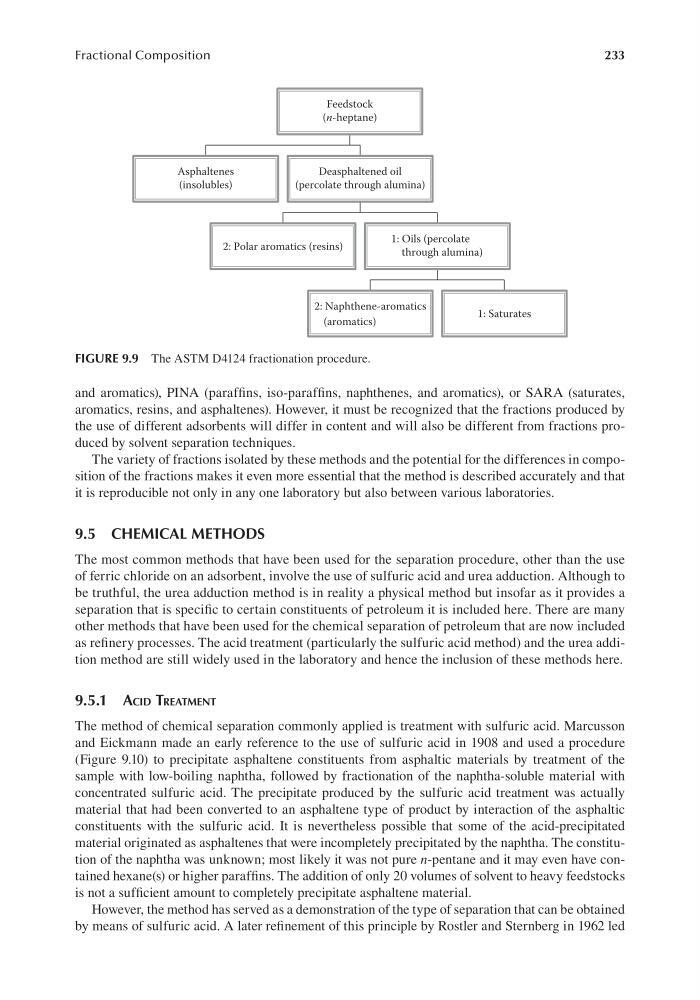
FIGURE 9.9 The ASTM D4124 fractionation procedure.
Fractional Composition
and aromatics), PINA (paraffins, iso-paraffins, naphthenes, and aromatics), or SARA (saturates,
aromatics, resins, and asphaltenes). However, it must be recognized that the fractions produced by
the use of different adsorbents will differ in content and will also be different from fractions produced by solvent separation techniques.
The variety of fractions isolated by these methods and the potential for the differences in composition of the fractions makes it even more essential that the method is described accurately and that
it is reproducible not only in any one laboratory but also between various laboratories.
9.5 CHEMICAL METHODS
The most common methods that have been used for the separation procedure, other than the use
of ferric chloride on an adsorbent, involve the use of sulfuric acid and urea adduction. Although to
be truthful, the urea adduction method is in reality a physical method but insofar as it provides a
separation that is specific to certain constituents of petroleum it is included here. There are many
other methods that have been used for the chemical separation of petroleum that are now included
as refinery processes. The acid treatment (particularly the sulfuric acid method) and the urea addition method are still widely used in the laboratory and hence the inclusion of these methods here.
9.5.1 ACId treAtment
The method of chemical separation commonly applied is treatment with sulfuric acid. Marcusson
and Eickmann made an early reference to the use of sulfuric acid in 1908 and used a procedure
(Figure 9.10) to precipitate asphaltene constituents from asphaltic materials by treatment of the
sample with low-boiling naphtha, followed by fractionation of the naphtha-soluble material with
concentrated sulfuric acid. The precipitate produced by the sulfuric acid treatment was actually
material that had been converted to an asphaltene type of product by interaction of the asphaltic
constituents with the sulfuric acid. It is nevertheless possible that some of the acid-precipitated
material originated as asphaltenes that were incompletely precipitated by the naphtha. The constitution of the naphtha was unknown; most likely it was not pure n-pentane and it may even have contained hexane(s) or higher paraffins. The addition of only 20 volumes of solvent to heavy feedstocks
is not a sufficient amount to completely precipitate asphaltene material.
However, the method has served as a demonstration of the type of separation that can be obtained
by means of sulfuric acid. A later refinement of this principle by Rostler and Sternberg in 1962 led
Asphaltenes
(insolubles)
2: Polar aromatics (resins)
2: Naphthene-aromatics
1: Saturates
1: Oils (percolate
through alumina)
Deasphaltened oil
(percolate through alumina)
Feedstock
(n-heptane)
(aromatics)
FIGURE 9.9 The ASTM D4124 fractionation procedure.