

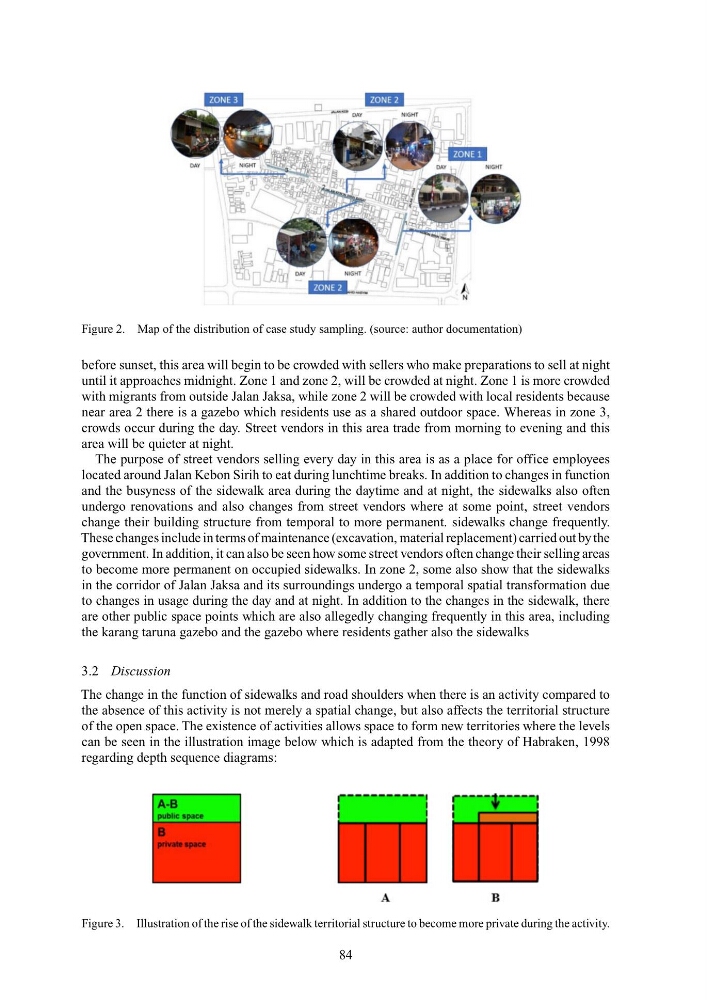
Figure 2. Map of the distribution of case study sampling. (source: author documentation)
before sunset, this area will begin to be crowded with sellers who make preparations to sell at night
until it approaches midnight. Zone 1 and zone 2, will be crowded at night. Zone 1 is more crowded
with migrants from outside Jalan Jaksa, while zone 2 will be crowded with local residents because
near area 2 there is a gazebo which residents use as a shared outdoor space. Whereas in zone 3,
crowds occur during the day. Street vendors in this area trade from morning to evening and this
area will be quieter at night.
The purpose of street vendors selling every day in this area is as a place for office employees
located around Jalan Kebon Sirih to eat during lunchtime breaks. In addition to changes in function
and the busyness of the sidewalk area during the daytime and at night, the sidewalks also often
undergo renovations and also changes from street vendors where at some point, street vendors
change their building structure from temporal to more permanent. sidewalks change frequently.
These changes include in terms of maintenance (excavation, material replacement) carried out by the
government. In addition, it can also be seen how some street vendors often change their selling areas
to become more permanent on occupied sidewalks. In zone 2, some also show that the sidewalks
in the corridor of Jalan Jaksa and its surroundings undergo a temporal spatial transformation due
to changes in usage during the day and at night. In addition to the changes in the sidewalk, there
are other public space points which are also allegedly changing frequently in this area, including
the karang taruna gazebo and the gazebo where residents gather also the sidewalks
3.2 Discussion
The change in the function of sidewalks and road shoulders when there is an activity compared to
the absence of this activity is not merely a spatial change, but also affects the territorial structure
of the open space. The existence of activities allows space to form new territories where the levels
can be seen in the illustration image below which is adapted from the theory of Habraken, 1998
regarding depth sequence diagrams:
Figure 3. Illustration of the rise of the sidewalk territorial structure to become more private during the activity.
84
before sunset, this area will begin to be crowded with sellers who make preparations to sell at night
until it approaches midnight. Zone 1 and zone 2, will be crowded at night. Zone 1 is more crowded
with migrants from outside Jalan Jaksa, while zone 2 will be crowded with local residents because
near area 2 there is a gazebo which residents use as a shared outdoor space. Whereas in zone 3,
crowds occur during the day. Street vendors in this area trade from morning to evening and this
area will be quieter at night.
The purpose of street vendors selling every day in this area is as a place for office employees
located around Jalan Kebon Sirih to eat during lunchtime breaks. In addition to changes in function
and the busyness of the sidewalk area during the daytime and at night, the sidewalks also often
undergo renovations and also changes from street vendors where at some point, street vendors
change their building structure from temporal to more permanent. sidewalks change frequently.
These changes include in terms of maintenance (excavation, material replacement) carried out by the
government. In addition, it can also be seen how some street vendors often change their selling areas
to become more permanent on occupied sidewalks. In zone 2, some also show that the sidewalks
in the corridor of Jalan Jaksa and its surroundings undergo a temporal spatial transformation due
to changes in usage during the day and at night. In addition to the changes in the sidewalk, there
are other public space points which are also allegedly changing frequently in this area, including
the karang taruna gazebo and the gazebo where residents gather also the sidewalks
3.2 Discussion
The change in the function of sidewalks and road shoulders when there is an activity compared to
the absence of this activity is not merely a spatial change, but also affects the territorial structure
of the open space. The existence of activities allows space to form new territories where the levels
can be seen in the illustration image below which is adapted from the theory of Habraken, 1998
regarding depth sequence diagrams:
Figure 3. Illustration of the rise of the sidewalk territorial structure to become more private during the activity.
84