

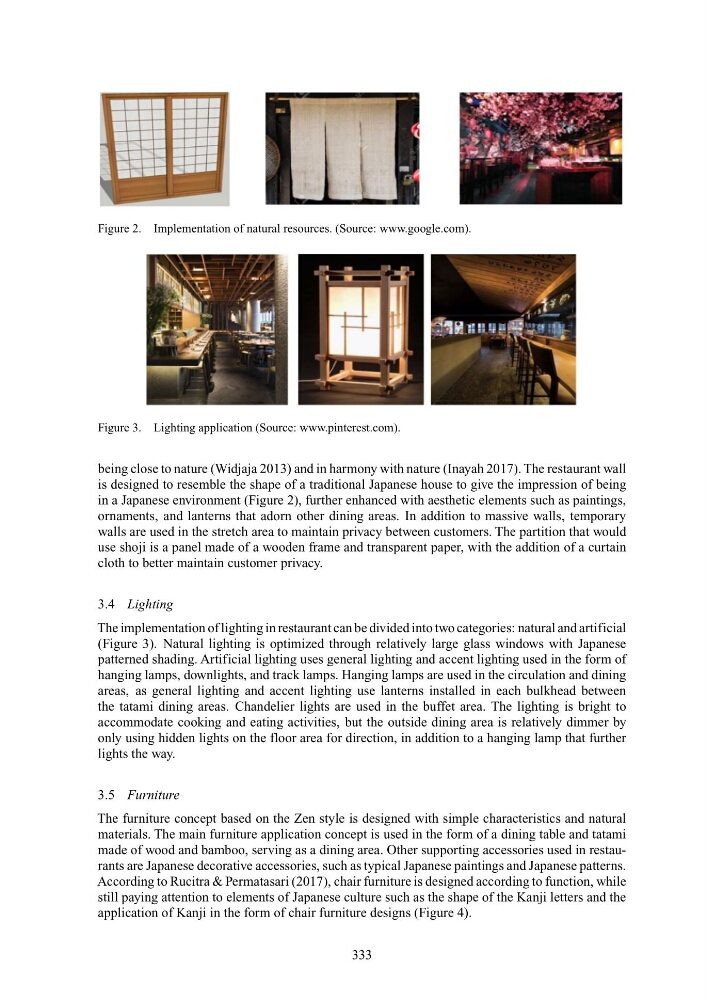
Figure 2. Implementation of natural resources. (Source: www.google.com).
Figure 3. Lighting application (Source: www.pinterest.com).
being close to nature (Widjaja 2013) and in harmony with nature (Inayah 2017). The restaurant wall
is designed to resemble the shape of a traditional Japanese house to give the impression of being
in a Japanese environment (Figure 2), further enhanced with aesthetic elements such as paintings,
ornaments, and lanterns that adorn other dining areas. In addition to massive walls, temporary
walls are used in the stretch area to maintain privacy between customers. The partition that would
use shoji is a panel made of a wooden frame and transparent paper, with the addition of a curtain
cloth to better maintain customer privacy.
3.4 Lighting
The implementation of lighting in restaurant can be divided into two categories: natural and artificial
(Figure 3). Natural lighting is optimized through relatively large glass windows with Japanese
patterned shading. Artificial lighting uses general lighting and accent lighting used in the form of
hanging lamps, downlights, and track lamps. Hanging lamps are used in the circulation and dining
areas, as general lighting and accent lighting use lanterns installed in each bulkhead between
the tatami dining areas. Chandelier lights are used in the buffet area. The lighting is bright to
accommodate cooking and eating activities, but the outside dining area is relatively dimmer by
only using hidden lights on the floor area for direction, in addition to a hanging lamp that further
lights the way.
3.5 Furniture
The furniture concept based on the Zen style is designed with simple characteristics and natural
materials. The main furniture application concept is used in the form of a dining table and tatami
made of wood and bamboo, serving as a dining area. Other supporting accessories used in restaurants are Japanese decorative accessories, such as typical Japanese paintings and Japanese patterns.
According to Rucitra & Permatasari (2017), chair furniture is designed according to function, while
still paying attention to elements of Japanese culture such as the shape of the Kanji letters and the
application of Kanji in the form of chair furniture designs (Figure 4).
333
Figure 3. Lighting application (Source: www.pinterest.com).
being close to nature (Widjaja 2013) and in harmony with nature (Inayah 2017). The restaurant wall
is designed to resemble the shape of a traditional Japanese house to give the impression of being
in a Japanese environment (Figure 2), further enhanced with aesthetic elements such as paintings,
ornaments, and lanterns that adorn other dining areas. In addition to massive walls, temporary
walls are used in the stretch area to maintain privacy between customers. The partition that would
use shoji is a panel made of a wooden frame and transparent paper, with the addition of a curtain
cloth to better maintain customer privacy.
3.4 Lighting
The implementation of lighting in restaurant can be divided into two categories: natural and artificial
(Figure 3). Natural lighting is optimized through relatively large glass windows with Japanese
patterned shading. Artificial lighting uses general lighting and accent lighting used in the form of
hanging lamps, downlights, and track lamps. Hanging lamps are used in the circulation and dining
areas, as general lighting and accent lighting use lanterns installed in each bulkhead between
the tatami dining areas. Chandelier lights are used in the buffet area. The lighting is bright to
accommodate cooking and eating activities, but the outside dining area is relatively dimmer by
only using hidden lights on the floor area for direction, in addition to a hanging lamp that further
lights the way.
3.5 Furniture
The furniture concept based on the Zen style is designed with simple characteristics and natural
materials. The main furniture application concept is used in the form of a dining table and tatami
made of wood and bamboo, serving as a dining area. Other supporting accessories used in restaurants are Japanese decorative accessories, such as typical Japanese paintings and Japanese patterns.
According to Rucitra & Permatasari (2017), chair furniture is designed according to function, while
still paying attention to elements of Japanese culture such as the shape of the Kanji letters and the
application of Kanji in the form of chair furniture designs (Figure 4).
333