

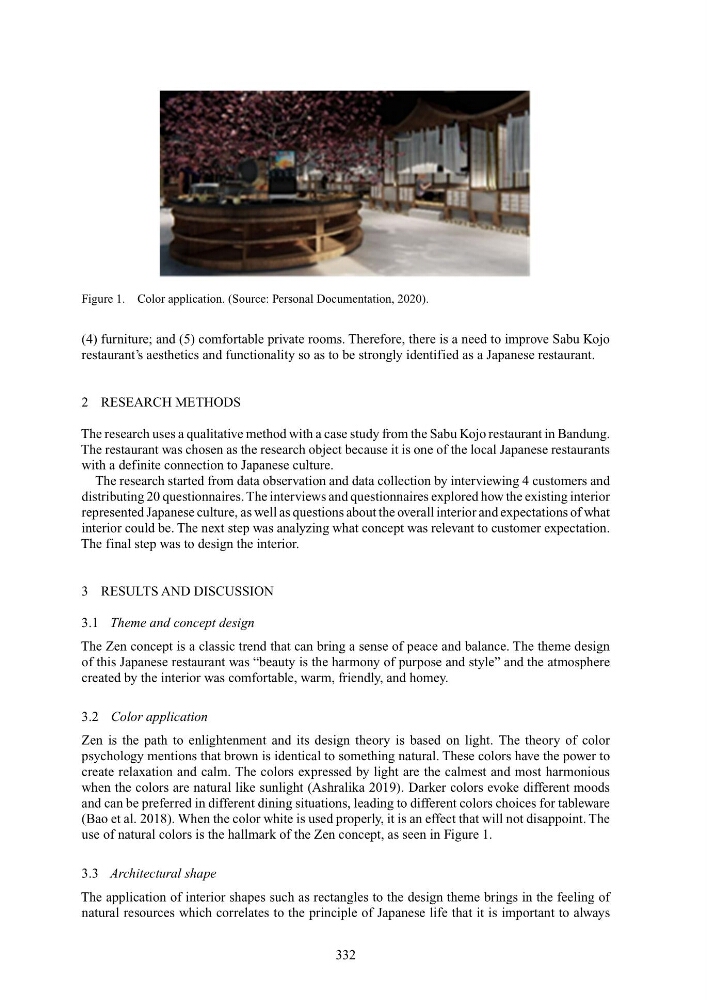
Figure 1. Color application. (Source: Personal Documentation, 2020).
(4) furniture; and (5) comfortable private rooms. Therefore, there is a need to improve Sabu Kojo
restaurant’s aesthetics and functionality so as to be strongly identified as a Japanese restaurant.
2 RESEARCH METHODS
The research uses a qualitative method with a case study from the Sabu Kojo restaurant in Bandung.
The restaurant was chosen as the research object because it is one of the local Japanese restaurants
with a definite connection to Japanese culture.
The research started from data observation and data collection by interviewing 4 customers and
distributing 20 questionnaires. The interviews and questionnaires explored how the existing interior
represented Japanese culture, as well as questions about the overall interior and expectations of what
interior could be. The next step was analyzing what concept was relevant to customer expectation.
The final step was to design the interior.
3 RESULTS AND DISCUSSION
3.1 Theme and concept design
The Zen concept is a classic trend that can bring a sense of peace and balance. The theme design
of this Japanese restaurant was “beauty is the harmony of purpose and style” and the atmosphere
created by the interior was comfortable, warm, friendly, and homey.
3.2 Color application
Zen is the path to enlightenment and its design theory is based on light. The theory of color
psychology mentions that brown is identical to something natural. These colors have the power to
create relaxation and calm. The colors expressed by light are the calmest and most harmonious
when the colors are natural like sunlight (Ashralika 2019). Darker colors evoke different moods
and can be preferred in different dining situations, leading to different colors choices for tableware
(Bao et al. 2018). When the color white is used properly, it is an effect that will not disappoint. The
use of natural colors is the hallmark of the Zen concept, as seen in Figure 1.
3.3 Architectural shape
The application of interior shapes such as rectangles to the design theme brings in the feeling of
natural resources which correlates to the principle of Japanese life that it is important to always
332
(4) furniture; and (5) comfortable private rooms. Therefore, there is a need to improve Sabu Kojo
restaurant’s aesthetics and functionality so as to be strongly identified as a Japanese restaurant.
2 RESEARCH METHODS
The research uses a qualitative method with a case study from the Sabu Kojo restaurant in Bandung.
The restaurant was chosen as the research object because it is one of the local Japanese restaurants
with a definite connection to Japanese culture.
The research started from data observation and data collection by interviewing 4 customers and
distributing 20 questionnaires. The interviews and questionnaires explored how the existing interior
represented Japanese culture, as well as questions about the overall interior and expectations of what
interior could be. The next step was analyzing what concept was relevant to customer expectation.
The final step was to design the interior.
3 RESULTS AND DISCUSSION
3.1 Theme and concept design
The Zen concept is a classic trend that can bring a sense of peace and balance. The theme design
of this Japanese restaurant was “beauty is the harmony of purpose and style” and the atmosphere
created by the interior was comfortable, warm, friendly, and homey.
3.2 Color application
Zen is the path to enlightenment and its design theory is based on light. The theory of color
psychology mentions that brown is identical to something natural. These colors have the power to
create relaxation and calm. The colors expressed by light are the calmest and most harmonious
when the colors are natural like sunlight (Ashralika 2019). Darker colors evoke different moods
and can be preferred in different dining situations, leading to different colors choices for tableware
(Bao et al. 2018). When the color white is used properly, it is an effect that will not disappoint. The
use of natural colors is the hallmark of the Zen concept, as seen in Figure 1.
3.3 Architectural shape
The application of interior shapes such as rectangles to the design theme brings in the feeling of
natural resources which correlates to the principle of Japanese life that it is important to always
332