

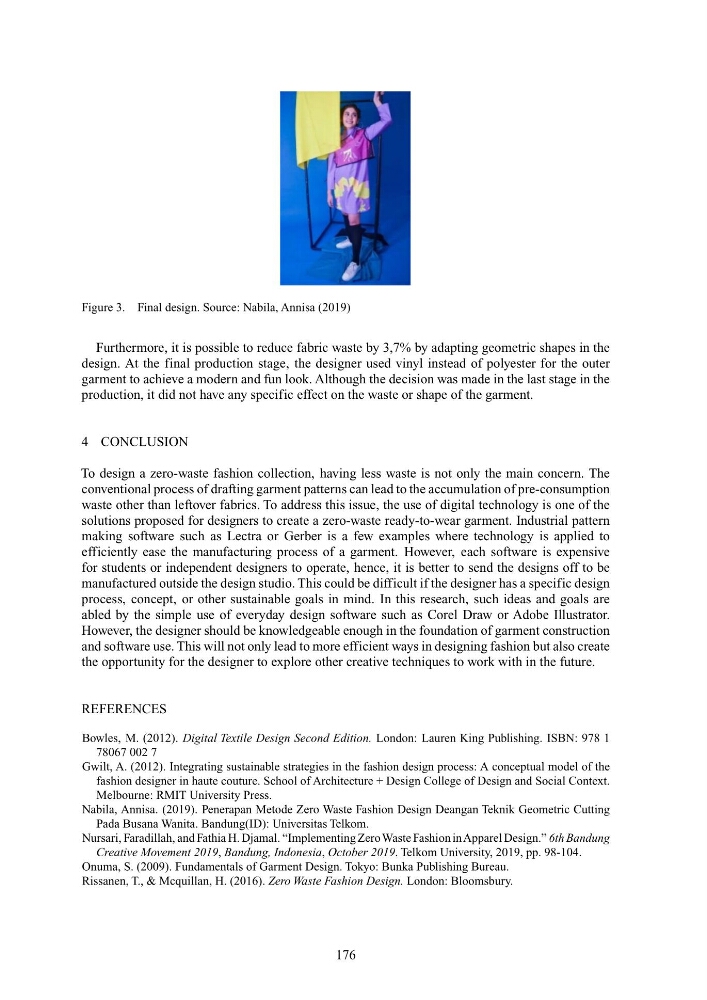
Figure 3. Final design. Source: Nabila, Annisa (2019)
Furthermore, it is possible to reduce fabric waste by 3,7% by adapting geometric shapes in the
design. At the final production stage, the designer used vinyl instead of polyester for the outer
garment to achieve a modern and fun look. Although the decision was made in the last stage in the
production, it did not have any specific effect on the waste or shape of the garment.
4 CONCLUSION
To design a zero-waste fashion collection, having less waste is not only the main concern. The
conventional process of drafting garment patterns can lead to the accumulation of pre-consumption
waste other than leftover fabrics. To address this issue, the use of digital technology is one of the
solutions proposed for designers to create a zero-waste ready-to-wear garment. Industrial pattern
making software such as Lectra or Gerber is a few examples where technology is applied to
efficiently ease the manufacturing process of a garment. However, each software is expensive
for students or independent designers to operate, hence, it is better to send the designs off to be
manufactured outside the design studio. This could be difficult if the designer has a specific design
process, concept, or other sustainable goals in mind. In this research, such ideas and goals are
abled by the simple use of everyday design software such as Corel Draw or Adobe Illustrator.
However, the designer should be knowledgeable enough in the foundation of garment construction
and software use. This will not only lead to more efficient ways in designing fashion but also create
the opportunity for the designer to explore other creative techniques to work with in the future.
REFERENCES
Bowles, M. (2012). Digital Textile Design Second Edition. London: Lauren King Publishing. ISBN: 978 1
78067 002 7
Gwilt, A. (2012). Integrating sustainable strategies in the fashion design process: A conceptual model of the
fashion designer in haute couture. School of Architecture + Design College of Design and Social Context.
Melbourne: RMIT University Press.
Nabila, Annisa. (2019). Penerapan Metode Zero Waste Fashion Design Deangan Teknik Geometric Cutting
Pada Busana Wanita. Bandung(ID): Universitas Telkom.
Nursari, Faradillah, and Fathia H. Djamal. “Implementing Zero Waste Fashion inApparel Design.” 6th Bandung
Creative Movement 2019, Bandung, Indonesia, October 2019. Telkom University, 2019, pp. 98-104.
Onuma, S. (2009). Fundamentals of Garment Design. Tokyo: Bunka Publishing Bureau.
Rissanen, T., & Mcquillan, H. (2016). Zero Waste Fashion Design. London: Bloomsbury.
176
Furthermore, it is possible to reduce fabric waste by 3,7% by adapting geometric shapes in the
design. At the final production stage, the designer used vinyl instead of polyester for the outer
garment to achieve a modern and fun look. Although the decision was made in the last stage in the
production, it did not have any specific effect on the waste or shape of the garment.
4 CONCLUSION
To design a zero-waste fashion collection, having less waste is not only the main concern. The
conventional process of drafting garment patterns can lead to the accumulation of pre-consumption
waste other than leftover fabrics. To address this issue, the use of digital technology is one of the
solutions proposed for designers to create a zero-waste ready-to-wear garment. Industrial pattern
making software such as Lectra or Gerber is a few examples where technology is applied to
efficiently ease the manufacturing process of a garment. However, each software is expensive
for students or independent designers to operate, hence, it is better to send the designs off to be
manufactured outside the design studio. This could be difficult if the designer has a specific design
process, concept, or other sustainable goals in mind. In this research, such ideas and goals are
abled by the simple use of everyday design software such as Corel Draw or Adobe Illustrator.
However, the designer should be knowledgeable enough in the foundation of garment construction
and software use. This will not only lead to more efficient ways in designing fashion but also create
the opportunity for the designer to explore other creative techniques to work with in the future.
REFERENCES
Bowles, M. (2012). Digital Textile Design Second Edition. London: Lauren King Publishing. ISBN: 978 1
78067 002 7
Gwilt, A. (2012). Integrating sustainable strategies in the fashion design process: A conceptual model of the
fashion designer in haute couture. School of Architecture + Design College of Design and Social Context.
Melbourne: RMIT University Press.
Nabila, Annisa. (2019). Penerapan Metode Zero Waste Fashion Design Deangan Teknik Geometric Cutting
Pada Busana Wanita. Bandung(ID): Universitas Telkom.
Nursari, Faradillah, and Fathia H. Djamal. “Implementing Zero Waste Fashion inApparel Design.” 6th Bandung
Creative Movement 2019, Bandung, Indonesia, October 2019. Telkom University, 2019, pp. 98-104.
Onuma, S. (2009). Fundamentals of Garment Design. Tokyo: Bunka Publishing Bureau.
Rissanen, T., & Mcquillan, H. (2016). Zero Waste Fashion Design. London: Bloomsbury.
176