

a technique that allows applying motifs to a clothing pattern and printed directly onto a plain cloth
so that when the motifs are put together in a seam form, it connects according to the shape of the
clothing without being seamless. The use of engineered print is also to add the shape effect of
a garment or to accent specific parts of clothing such as cuffs, collars or other specific parts of
clothing. One example of using this technique is the work of Alexander McQueen in 2012, where
the motif was applied to the pattern to produce a seamless effect.
In using the Engineered Printing application, the conventional method used is scanning flat
pattern paper or draping patterns and digital manipulation. As in the work of Hussein Chalayan
in 2007 in which Chalayan scanned patterns and then performed digital manipulations to apply
motifs to fashion patterns. Digitally compiled patterns applied with motifs using software before
finally being printed directly on the surface of plain cloth (Bowles 2012).
2 METHOD
Based on the qualitative research method, the experiment carried in this research refers to theories
and results from the literature or previous research that supported the topic. Furthermore, conducting the analysis and evaluation process from the experiment results to produce proto- types
following the research objectives. The literature study used as a reference for this research is the literature on zero waste fashion design methods, clothing production, and engineered print techniques
used as a basis for understanding and limitations in conducting experiments.
The scope of this research is how to apply the zero-waste fashion design method to produce
ready to wear clothing. The limitation is narrowed to the application of engineering techniques in
the form of engineered print applied to digital patterns of zero-waste garments. The material used
is adjusted to the ideal specifications for digital textile printing by utilizing geometric formations
in zero waste clothing patterns.
2.1 Zero waste patterns and engineered print
The process of obtaining data was carried out by reviewing the literature on various ways of applying
zero-waste methods to optimize the cloth dimension with fabric waste below 15% for a garment.
A geometric pattern is one of the basic techniques used in the development of clothes with fabric
waste less than 15%. Geometric shapes are also proven to be versatile in flat pattern making with
many possibilities of variations depends on the characteristic of the fabric, cutting process, and
the position or direction of the pattern on the fabric itself (Nursari & Djamal 2019). Historically,
geometric shapes exist in most traditional garment shape namely kimono, baju kurung, and is the
basic shape of ancient Greek and Roman costumes.
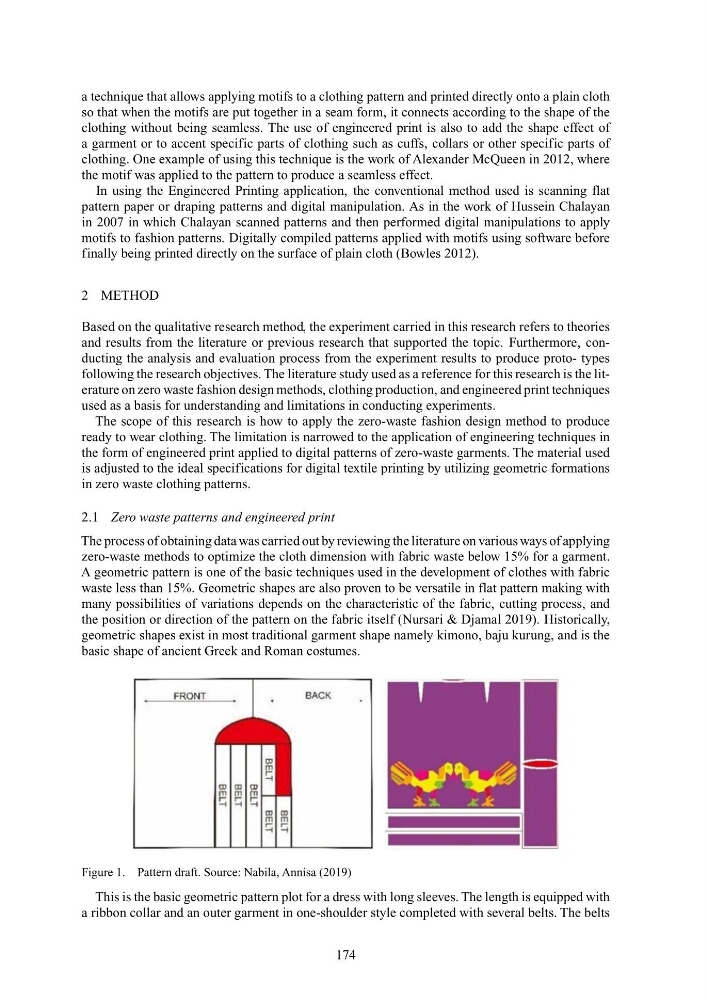
Figure 1. Pattern draft. Source: Nabila, Annisa (2019)
This is the basic geometric pattern plot for a dress with long sleeves. The length is equipped with
a ribbon collar and an outer garment in one-shoulder style completed with several belts. The belts
174
so that when the motifs are put together in a seam form, it connects according to the shape of the
clothing without being seamless. The use of engineered print is also to add the shape effect of
a garment or to accent specific parts of clothing such as cuffs, collars or other specific parts of
clothing. One example of using this technique is the work of Alexander McQueen in 2012, where
the motif was applied to the pattern to produce a seamless effect.
In using the Engineered Printing application, the conventional method used is scanning flat
pattern paper or draping patterns and digital manipulation. As in the work of Hussein Chalayan
in 2007 in which Chalayan scanned patterns and then performed digital manipulations to apply
motifs to fashion patterns. Digitally compiled patterns applied with motifs using software before
finally being printed directly on the surface of plain cloth (Bowles 2012).
2 METHOD
Based on the qualitative research method, the experiment carried in this research refers to theories
and results from the literature or previous research that supported the topic. Furthermore, conducting the analysis and evaluation process from the experiment results to produce proto- types
following the research objectives. The literature study used as a reference for this research is the literature on zero waste fashion design methods, clothing production, and engineered print techniques
used as a basis for understanding and limitations in conducting experiments.
The scope of this research is how to apply the zero-waste fashion design method to produce
ready to wear clothing. The limitation is narrowed to the application of engineering techniques in
the form of engineered print applied to digital patterns of zero-waste garments. The material used
is adjusted to the ideal specifications for digital textile printing by utilizing geometric formations
in zero waste clothing patterns.
2.1 Zero waste patterns and engineered print
The process of obtaining data was carried out by reviewing the literature on various ways of applying
zero-waste methods to optimize the cloth dimension with fabric waste below 15% for a garment.
A geometric pattern is one of the basic techniques used in the development of clothes with fabric
waste less than 15%. Geometric shapes are also proven to be versatile in flat pattern making with
many possibilities of variations depends on the characteristic of the fabric, cutting process, and
the position or direction of the pattern on the fabric itself (Nursari & Djamal 2019). Historically,
geometric shapes exist in most traditional garment shape namely kimono, baju kurung, and is the
basic shape of ancient Greek and Roman costumes.
Figure 1. Pattern draft. Source: Nabila, Annisa (2019)
This is the basic geometric pattern plot for a dress with long sleeves. The length is equipped with
a ribbon collar and an outer garment in one-shoulder style completed with several belts. The belts
174