

180
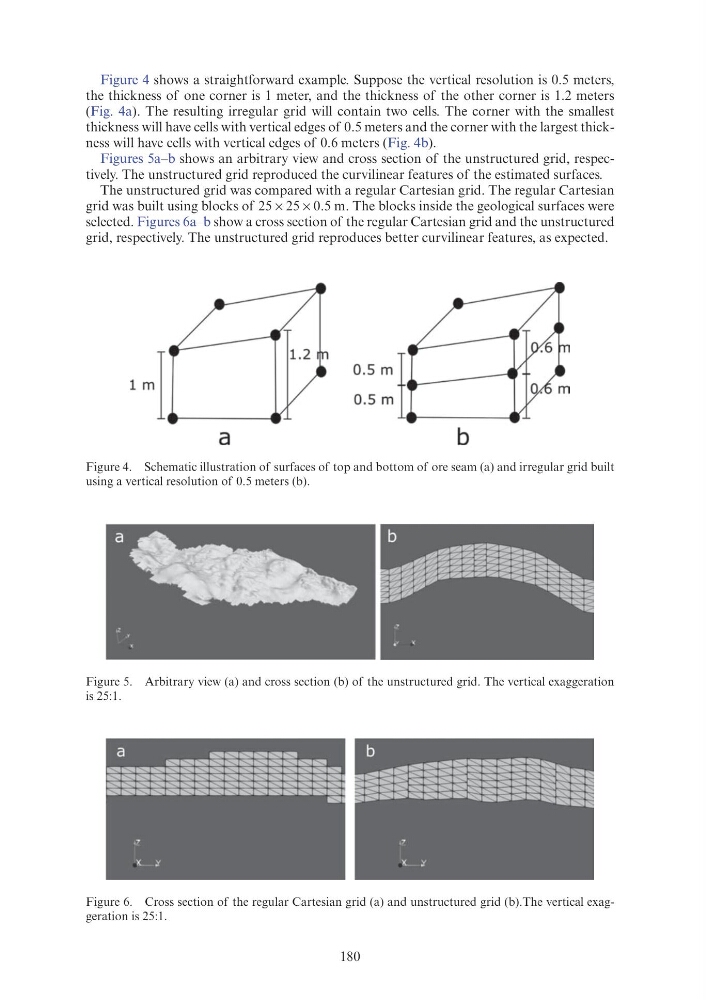
Figure 4 shows a straightforward example. Suppose the vertical resolution is 0.5 meters,
the thickness of one corner is 1 meter, and the thickness of the other corner is 1.2 meters
(Fig. 4a). The resulting irregular grid will contain two cells. The corner with the smallest
thickness will have cells with vertical edges of 0.5 meters and the corner with the largest thickness will have cells with vertical edges of 0.6 meters (Fig. 4b).
Figures 5a–b shows an arbitrary view and cross section of the unstructured grid, respectively. The unstructured grid reproduced the curvilinear features of the estimated surfaces.
The unstructured grid was compared with a regular Cartesian grid. The regular Cartesian
grid was built using blocks of 25 × 25 × 0.5 m. The blocks inside the geological surfaces were
selected. Figures 6a–b show a cross section of the regular Cartesian grid and the unstructured
grid, respectively. The unstructured grid reproduces better curvilinear features, as expected.
Figure 4. Schematic illustration of surfaces of top and bottom of ore seam (a) and irregular grid built
using a vertical resolution of 0.5 meters (b).
Figure 5. Arbitrary view (a) and cross section (b) of the unstructured grid. The vertical exaggeration
is 25:1.
Figure 6. Cross section of the regular Cartesian grid (a) and unstructured grid (b).The vertical exaggeration is 25:1.
:::: !._---·
a
b
Figure 4 shows a straightforward example. Suppose the vertical resolution is 0.5 meters,
the thickness of one corner is 1 meter, and the thickness of the other corner is 1.2 meters
(Fig. 4a). The resulting irregular grid will contain two cells. The corner with the smallest
thickness will have cells with vertical edges of 0.5 meters and the corner with the largest thickness will have cells with vertical edges of 0.6 meters (Fig. 4b).
Figures 5a–b shows an arbitrary view and cross section of the unstructured grid, respectively. The unstructured grid reproduced the curvilinear features of the estimated surfaces.
The unstructured grid was compared with a regular Cartesian grid. The regular Cartesian
grid was built using blocks of 25 × 25 × 0.5 m. The blocks inside the geological surfaces were
selected. Figures 6a–b show a cross section of the regular Cartesian grid and the unstructured
grid, respectively. The unstructured grid reproduces better curvilinear features, as expected.
Figure 4. Schematic illustration of surfaces of top and bottom of ore seam (a) and irregular grid built
using a vertical resolution of 0.5 meters (b).
Figure 5. Arbitrary view (a) and cross section (b) of the unstructured grid. The vertical exaggeration
is 25:1.
Figure 6. Cross section of the regular Cartesian grid (a) and unstructured grid (b).The vertical exaggeration is 25:1.
:::: !._---·
a
b