

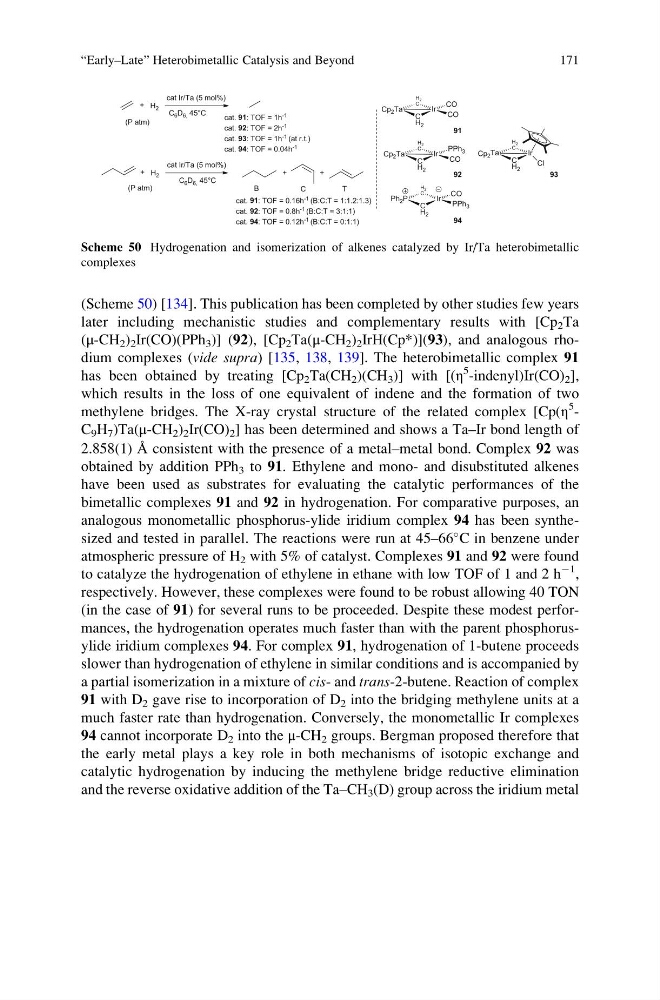
(Scheme 50) [134]. This publication has been completed by other studies few years
later including mechanistic studies and complementary results with [Cp 2 Ta
(μ-CH 2 ) 2 Ir(CO)(PPh 3 )] (92), [Cp 2 Ta(μ-CH 2 ) 2 IrH(Cp*)](93), and analogous rhodium complexes (vide supra) [135, 138, 139]. The heterobimetallic complex 91
has been obtained by treating [Cp 2 Ta(CH 2 )(CH 3 )] with [(η
5 -indenyl)Ir(CO) 2 ],
which results in the loss of one equivalent of indene and the formation of two
methylene bridges. The X-ray crystal structure of the related complex [Cp(η
5 -
C 9 H 7 )Ta(μ-CH 2 ) 2 Ir(CO) 2 ] has been determined and shows a Ta–Ir bond length of
2.858(1) Å consistent with the presence of a metal–metal bond. Complex 92 was
obtained by addition PPh 3 to 91. Ethylene and mono- and disubstituted alkenes
have been used as substrates for evaluating the catalytic performances of the
bimetallic complexes 91 and 92 in hydrogenation. For comparative purposes, an
analogous monometallic phosphorus-ylide iridium complex 94 has been synthesized and tested in parallel. The reactions were run at 45–66
C in benzene under
atmospheric pressure of H 2 with 5% of catalyst. Complexes 91 and 92 were found
to catalyze the hydrogenation of ethylene in ethane with low TOF of 1 and 2 h
À1 ,
respectively. However, these complexes were found to be robust allowing 40 TON
(in the case of 91) for several runs to be proceeded. Despite these modest performances, the hydrogenation operates much faster than with the parent phosphorusylide iridium complexes 94. For complex 91, hydrogenation of 1-butene proceeds
slower than hydrogenation of ethylene in similar conditions and is accompanied by
a partial isomerization in a mixture of cis- and trans-2-butene. Reaction of complex
91 with D 2 gave rise to incorporation of D 2 into the bridging methylene units at a
much faster rate than hydrogenation. Conversely, the monometallic Ir complexes
94 cannot incorporate D 2 into the μ-CH 2 groups. Bergman proposed therefore that
the early metal plays a key role in both mechanisms of isotopic exchange and
catalytic hydrogenation by inducing the methylene bridge reductive elimination
and the reverse oxidative addition of the Ta–CH 3 (D) group across the iridium metal
+ H 2
(P atm)
cat Ir/Ta (5 mol%)
cat. 91: TOF = 1h -1
cat. 92: TOF = 2h -1
cat. 93: TOF = 1h -1 (at r.t.)
cat. 94: TOF = 0.04h -1
Cp 2 Ta
C
H 2
Ir
H2
C
CO
CO
Cp 2 Ta
C
H 2
Ir
H2
C
CO
PPh 3
Ph 2 P
C
H 2
Ir
H2
C
PPh 3
CO
91
92
94
+ H 2
(P atm)
cat Ir/Ta (5 mol%)
C 6 D 6, 45°C
+
+
B
C
T
cat. 91: TOF = 0.16h -1 (B:C:T = 1:1.2:1.3)
cat. 92: TOF = 0.8h -1 (B:C:T = 3:1:1)
cat. 94: TOF = 0.12h -1 (B:C:T = 0:1:1)
C 6 D 6, 45°C
Cp2Ta
C
H 2
Ir
H2
C
93
Cl
Scheme 50 Hydrogenation and isomerization of alkenes catalyzed by Ir/Ta heterobimetallic
complexes
“Early–Late” Heterobimetallic Catalysis and Beyond
171
later including mechanistic studies and complementary results with [Cp 2 Ta
(μ-CH 2 ) 2 Ir(CO)(PPh 3 )] (92), [Cp 2 Ta(μ-CH 2 ) 2 IrH(Cp*)](93), and analogous rhodium complexes (vide supra) [135, 138, 139]. The heterobimetallic complex 91
has been obtained by treating [Cp 2 Ta(CH 2 )(CH 3 )] with [(η
5 -indenyl)Ir(CO) 2 ],
which results in the loss of one equivalent of indene and the formation of two
methylene bridges. The X-ray crystal structure of the related complex [Cp(η
5 -
C 9 H 7 )Ta(μ-CH 2 ) 2 Ir(CO) 2 ] has been determined and shows a Ta–Ir bond length of
2.858(1) Å consistent with the presence of a metal–metal bond. Complex 92 was
obtained by addition PPh 3 to 91. Ethylene and mono- and disubstituted alkenes
have been used as substrates for evaluating the catalytic performances of the
bimetallic complexes 91 and 92 in hydrogenation. For comparative purposes, an
analogous monometallic phosphorus-ylide iridium complex 94 has been synthesized and tested in parallel. The reactions were run at 45–66
C in benzene under
atmospheric pressure of H 2 with 5% of catalyst. Complexes 91 and 92 were found
to catalyze the hydrogenation of ethylene in ethane with low TOF of 1 and 2 h
À1 ,
respectively. However, these complexes were found to be robust allowing 40 TON
(in the case of 91) for several runs to be proceeded. Despite these modest performances, the hydrogenation operates much faster than with the parent phosphorusylide iridium complexes 94. For complex 91, hydrogenation of 1-butene proceeds
slower than hydrogenation of ethylene in similar conditions and is accompanied by
a partial isomerization in a mixture of cis- and trans-2-butene. Reaction of complex
91 with D 2 gave rise to incorporation of D 2 into the bridging methylene units at a
much faster rate than hydrogenation. Conversely, the monometallic Ir complexes
94 cannot incorporate D 2 into the μ-CH 2 groups. Bergman proposed therefore that
the early metal plays a key role in both mechanisms of isotopic exchange and
catalytic hydrogenation by inducing the methylene bridge reductive elimination
and the reverse oxidative addition of the Ta–CH 3 (D) group across the iridium metal
+ H 2
(P atm)
cat Ir/Ta (5 mol%)
cat. 91: TOF = 1h -1
cat. 92: TOF = 2h -1
cat. 93: TOF = 1h -1 (at r.t.)
cat. 94: TOF = 0.04h -1
Cp 2 Ta
C
H 2
Ir
H2
C
CO
CO
Cp 2 Ta
C
H 2
Ir
H2
C
CO
PPh 3
Ph 2 P
C
H 2
Ir
H2
C
PPh 3
CO
91
92
94
+ H 2
(P atm)
cat Ir/Ta (5 mol%)
C 6 D 6, 45°C
+
+
B
C
T
cat. 91: TOF = 0.16h -1 (B:C:T = 1:1.2:1.3)
cat. 92: TOF = 0.8h -1 (B:C:T = 3:1:1)
cat. 94: TOF = 0.12h -1 (B:C:T = 0:1:1)
C 6 D 6, 45°C
Cp2Ta
C
H 2
Ir
H2
C
93
Cl
Scheme 50 Hydrogenation and isomerization of alkenes catalyzed by Ir/Ta heterobimetallic
complexes
“Early–Late” Heterobimetallic Catalysis and Beyond
171