

temperatures of 90–150
C and pressures of 400–1,100 psig. The highest linear
aldehyde regioselectivities were found, as with monometallic cobalt catalysts, at
lower temperatures and higher pressures. One important piece of evidence that
fragmentation to [HCo(CO) 4 ] was not occurring was obtained from the influence of
phosphine ligands on the chemoselectivity of the catalysis. The addition of 2–4
equivalents of PPh 3 improved the stability of the cluster (similar to the monometallic catalysts), but did not increase hydrogenation activity to produce alcohol
products, quite unlike monometallic [HCo(CO) 3 (PR 3 )] catalysts [18]. Highpressure IR studies of phosphine-substituted analogs of 2 show that there was no
observable cluster fragmentation under catalytic conditions (150
C, 600 psi), even
over a 2-day period [19].
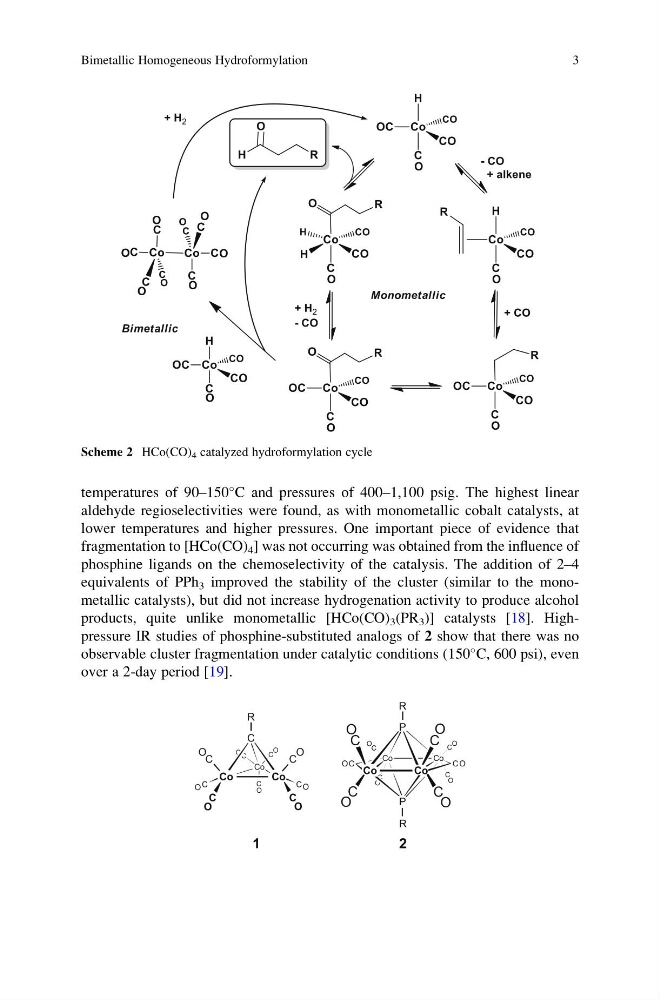
Scheme 2 HCo(CO) 4 catalyzed hydroformylation cycle
Bimetallic Homogeneous Hydroformylation
3
C and pressures of 400–1,100 psig. The highest linear
aldehyde regioselectivities were found, as with monometallic cobalt catalysts, at
lower temperatures and higher pressures. One important piece of evidence that
fragmentation to [HCo(CO) 4 ] was not occurring was obtained from the influence of
phosphine ligands on the chemoselectivity of the catalysis. The addition of 2–4
equivalents of PPh 3 improved the stability of the cluster (similar to the monometallic catalysts), but did not increase hydrogenation activity to produce alcohol
products, quite unlike monometallic [HCo(CO) 3 (PR 3 )] catalysts [18]. Highpressure IR studies of phosphine-substituted analogs of 2 show that there was no
observable cluster fragmentation under catalytic conditions (150
C, 600 psi), even
over a 2-day period [19].
Scheme 2 HCo(CO) 4 catalyzed hydroformylation cycle
Bimetallic Homogeneous Hydroformylation
3