

demonstrated the utility of diruthenium(II,III) catalysts for intra- and
intermolecular C–H amination reactions which rivals the performance of dirhodium
congeners [265, 266]. The [Ru 2 (esp) 2 SbF 6 ] (105) efficiently catalyzes
intermolecular amination of C–H bonds under oxidative conditions (Scheme 56).
Oxidative cyclization of 3-phenylpropyl sulfamate and isoamyl sulfamate proceeds
smoothly in refluxing CH 2 Cl 2 with soluble oxidant PhI(O 2 C
t
Bu) 2 and 5 Å molecular sieves. Ru 2 (OAc) 4 Cl in combination with PhI(OAc) 2 afforded very low
conversions.
The tetra-2-oxypyridinate ruthenium dimer Ru 2 (hp) 4 Cl (106) (Scheme 57) promotes the sulfamate cyclization where the dirhodium analogue Rh 2 (hp) 4 fails
possibly due to oxidative degradation under the reaction conditions. The hp system
shows a clear selectivity for allylic C–H insertion over the corresponding aziridine
formation. For trans-4-hexenyl sulfamate, the oxathiazinane heterocycle was isolated in 68% yield with 107/108 8:1 ratio where 107 is the allylic C–H activated
product and 108 is the aziridine product (Scheme 58). [Ru 2 (hp) 4 Cl] catalyzed the
C–H amination for a collection of substrates, giving the oxathiazinane heterocycle
as the major (or exclusive) product in moderate to good yields. The activity and
selectivity are superior to [Ru 2 (esp) 2 (SbF 6 )] and Rh 2 (S-nap) 4 [267]. The
Ru 2 (hp) 4 Cl is the only catalytic system based on diruthenium(II,III) core which
performs allylic C–H bond activation better than other bimetallic systems studied
including Rh 2 complexes. An array of computational and experimental studies
revealed a two-step mechanism that involves homolytic C–H bond cleavage
followed by fast radical recombination [268, 269]. Hammett and kinetic studies
indicate a different pathway for dirhodium- and diruthenium-catalyzed oxidation
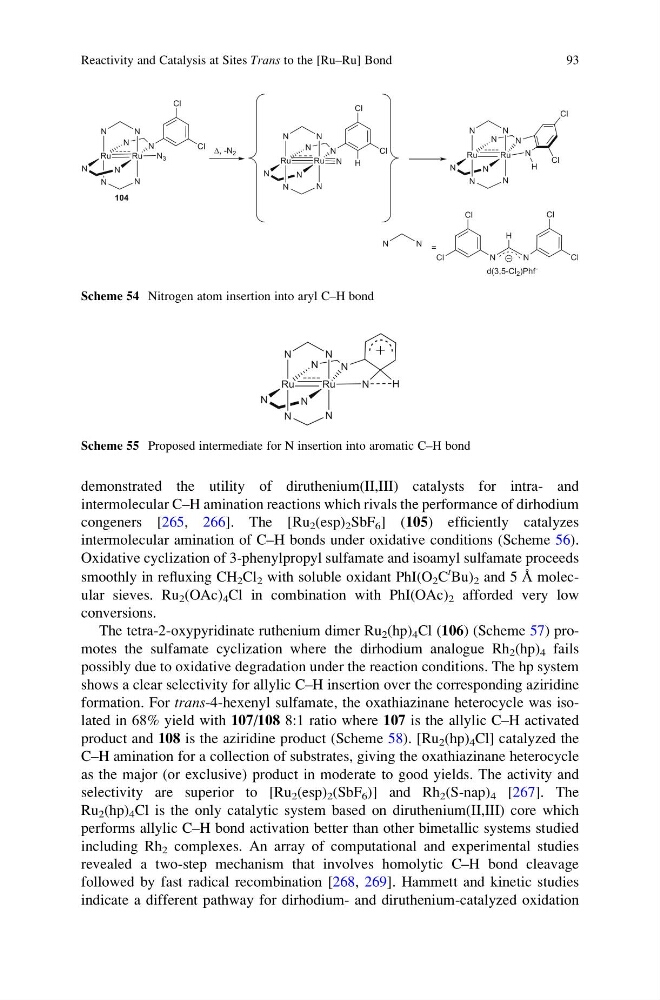
Scheme 54 Nitrogen atom insertion into aryl C–H bond
Scheme 55 Proposed intermediate for N insertion into aromatic C–H bond
Reactivity and Catalysis at Sites Trans to the [Ru–Ru] Bond
93
intermolecular C–H amination reactions which rivals the performance of dirhodium
congeners [265, 266]. The [Ru 2 (esp) 2 SbF 6 ] (105) efficiently catalyzes
intermolecular amination of C–H bonds under oxidative conditions (Scheme 56).
Oxidative cyclization of 3-phenylpropyl sulfamate and isoamyl sulfamate proceeds
smoothly in refluxing CH 2 Cl 2 with soluble oxidant PhI(O 2 C
t
Bu) 2 and 5 Å molecular sieves. Ru 2 (OAc) 4 Cl in combination with PhI(OAc) 2 afforded very low
conversions.
The tetra-2-oxypyridinate ruthenium dimer Ru 2 (hp) 4 Cl (106) (Scheme 57) promotes the sulfamate cyclization where the dirhodium analogue Rh 2 (hp) 4 fails
possibly due to oxidative degradation under the reaction conditions. The hp system
shows a clear selectivity for allylic C–H insertion over the corresponding aziridine
formation. For trans-4-hexenyl sulfamate, the oxathiazinane heterocycle was isolated in 68% yield with 107/108 8:1 ratio where 107 is the allylic C–H activated
product and 108 is the aziridine product (Scheme 58). [Ru 2 (hp) 4 Cl] catalyzed the
C–H amination for a collection of substrates, giving the oxathiazinane heterocycle
as the major (or exclusive) product in moderate to good yields. The activity and
selectivity are superior to [Ru 2 (esp) 2 (SbF 6 )] and Rh 2 (S-nap) 4 [267]. The
Ru 2 (hp) 4 Cl is the only catalytic system based on diruthenium(II,III) core which
performs allylic C–H bond activation better than other bimetallic systems studied
including Rh 2 complexes. An array of computational and experimental studies
revealed a two-step mechanism that involves homolytic C–H bond cleavage
followed by fast radical recombination [268, 269]. Hammett and kinetic studies
indicate a different pathway for dirhodium- and diruthenium-catalyzed oxidation
Scheme 54 Nitrogen atom insertion into aryl C–H bond
Scheme 55 Proposed intermediate for N insertion into aromatic C–H bond
Reactivity and Catalysis at Sites Trans to the [Ru–Ru] Bond
93