

The processing of residual feedstocks therefore requires special techniques to
overcome:
• Feed vaporization
• High concentration of polar molecules
• Presence of metals
Some of the techniques developed to meet heavy oil cracking processing are as
follows:
• Two-stage regeneration
• Riser mixer design and mix temperature control (MTC) (for rapid vaporization)
• New riser lift technology minimizing the use of steam
• Regenerated catalyst temperature control (catalyst cooling)
• Catalyst selection for:
– Good conversion and yield pattern
– Metal resistance
– Thermal and hydrothermal resistance
– High gasoline RON
These are discussed in the following items.
Conventional fluid catalytic crackers can be revamped to incorporate the features necessary for heavy oil (residual) cracking. Worldwide, there were approximately 23 FCC residue units in operation (to the beginning of 1992), having a total
processing capacity of 760,000 BD.
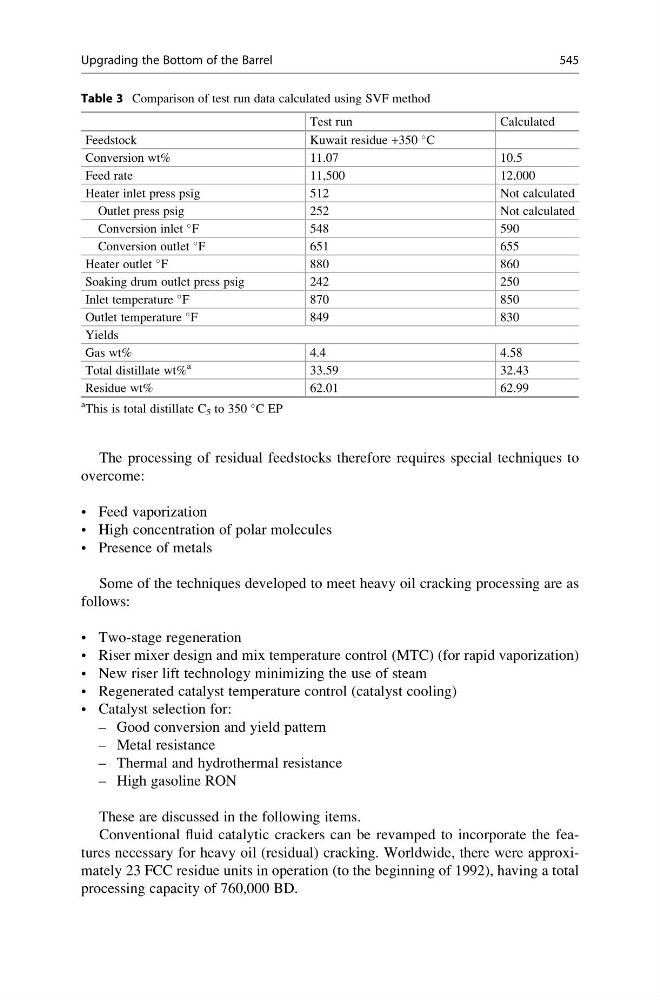
Table 3 Comparison of test run data calculated using SVF method
Test run
Calculated
Feedstock
Kuwait residue +350
C
Conversion wt%
11.07
10.5
Feed rate
11,500
12,000
Heater inlet press psig
512
Not calculated
Outlet press psig
252
Not calculated
Conversion inlet
F
548
590
Conversion outlet
F
651
655
Heater outlet
F
880
860
Soaking drum outlet press psig
242
250
Inlet temperature
F
870
850
Outlet temperature
F
849
830
Yields
Gas wt%
4.4
4.58
Total distillate wt%
a
33.59
32.43
Residue wt%
62.01
62.99
a
This is total distillate C 5 to 350
C EP
Upgrading the Bottom of the Barrel
545
overcome:
• Feed vaporization
• High concentration of polar molecules
• Presence of metals
Some of the techniques developed to meet heavy oil cracking processing are as
follows:
• Two-stage regeneration
• Riser mixer design and mix temperature control (MTC) (for rapid vaporization)
• New riser lift technology minimizing the use of steam
• Regenerated catalyst temperature control (catalyst cooling)
• Catalyst selection for:
– Good conversion and yield pattern
– Metal resistance
– Thermal and hydrothermal resistance
– High gasoline RON
These are discussed in the following items.
Conventional fluid catalytic crackers can be revamped to incorporate the features necessary for heavy oil (residual) cracking. Worldwide, there were approximately 23 FCC residue units in operation (to the beginning of 1992), having a total
processing capacity of 760,000 BD.
Table 3 Comparison of test run data calculated using SVF method
Test run
Calculated
Feedstock
Kuwait residue +350
C
Conversion wt%
11.07
10.5
Feed rate
11,500
12,000
Heater inlet press psig
512
Not calculated
Outlet press psig
252
Not calculated
Conversion inlet
F
548
590
Conversion outlet
F
651
655
Heater outlet
F
880
860
Soaking drum outlet press psig
242
250
Inlet temperature
F
870
850
Outlet temperature
F
849
830
Yields
Gas wt%
4.4
4.58
Total distillate wt%
a
33.59
32.43
Residue wt%
62.01
62.99
a
This is total distillate C 5 to 350
C EP
Upgrading the Bottom of the Barrel
545