

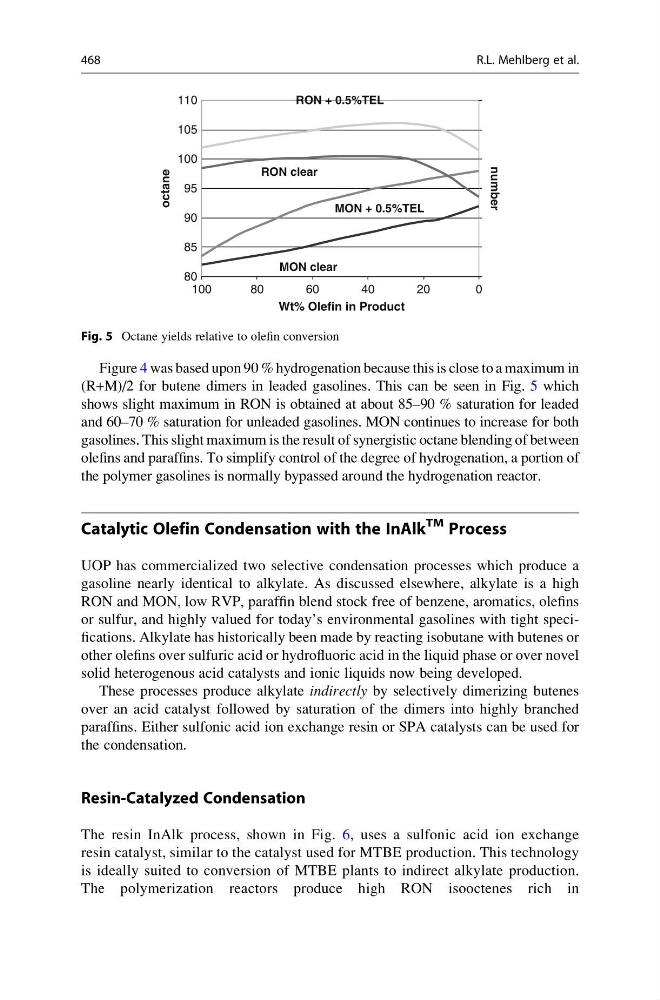
Figure 4 was based upon 90 % hydrogenation because this is close to a maximum in
(R+M)/2 for butene dimers in leaded gasolines. This can be seen in Fig. 5 which
shows slight maximum in RON is obtained at about 85–90 % saturation for leaded
and 60–70 % saturation for unleaded gasolines. MON continues to increase for both
gasolines. This slight maximum is the result of synergistic octane blending of between
olefins and paraffins. To simplify control of the degree of hydrogenation, a portion of
the polymer gasolines is normally bypassed around the hydrogenation reactor.
Catalytic Olefin Condensation with the InAlk
TM Process
UOP has commercialized two selective condensation processes which produce a
gasoline nearly identical to alkylate. As discussed elsewhere, alkylate is a high
RON and MON, low RVP, paraffin blend stock free of benzene, aromatics, olefins
or sulfur, and highly valued for today’s environmental gasolines with tight specifications. Alkylate has historically been made by reacting isobutane with butenes or
other olefins over sulfuric acid or hydrofluoric acid in the liquid phase or over novel
solid heterogenous acid catalysts and ionic liquids now being developed.
These processes produce alkylate indirectly by selectively dimerizing butenes
over an acid catalyst followed by saturation of the dimers into highly branched
paraffins. Either sulfonic acid ion exchange resin or SPA catalysts can be used for
the condensation.
Resin-Catalyzed Condensation
The resin InAlk process, shown in Fig. 6, uses a sulfonic acid ion exchange
resin catalyst, similar to the catalyst used for MTBE production. This technology
is ideally suited to conversion of MTBE plants to indirect alkylate production.
The polymerization reactors produce high RON isooctenes rich in
number
octane
110
105
RON clear
MON + 0.5%TEL
RON + 0.5%TEL
100
95
90
100
85
MON clear
80
80
60
40
20
0
Wt% Olefin in Product
Fig. 5 Octane yields relative to olefin conversion
468
R.L. Mehlberg et al.
(R+M)/2 for butene dimers in leaded gasolines. This can be seen in Fig. 5 which
shows slight maximum in RON is obtained at about 85–90 % saturation for leaded
and 60–70 % saturation for unleaded gasolines. MON continues to increase for both
gasolines. This slight maximum is the result of synergistic octane blending of between
olefins and paraffins. To simplify control of the degree of hydrogenation, a portion of
the polymer gasolines is normally bypassed around the hydrogenation reactor.
Catalytic Olefin Condensation with the InAlk
TM Process
UOP has commercialized two selective condensation processes which produce a
gasoline nearly identical to alkylate. As discussed elsewhere, alkylate is a high
RON and MON, low RVP, paraffin blend stock free of benzene, aromatics, olefins
or sulfur, and highly valued for today’s environmental gasolines with tight specifications. Alkylate has historically been made by reacting isobutane with butenes or
other olefins over sulfuric acid or hydrofluoric acid in the liquid phase or over novel
solid heterogenous acid catalysts and ionic liquids now being developed.
These processes produce alkylate indirectly by selectively dimerizing butenes
over an acid catalyst followed by saturation of the dimers into highly branched
paraffins. Either sulfonic acid ion exchange resin or SPA catalysts can be used for
the condensation.
Resin-Catalyzed Condensation
The resin InAlk process, shown in Fig. 6, uses a sulfonic acid ion exchange
resin catalyst, similar to the catalyst used for MTBE production. This technology
is ideally suited to conversion of MTBE plants to indirect alkylate production.
The polymerization reactors produce high RON isooctenes rich in
number
octane
110
105
RON clear
MON + 0.5%TEL
RON + 0.5%TEL
100
95
90
100
85
MON clear
80
80
60
40
20
0
Wt% Olefin in Product
Fig. 5 Octane yields relative to olefin conversion
468
R.L. Mehlberg et al.