

seismic velocity data, indicated by negative velocity
anomalies. Knowing that effective pressure and pore
pressure increase linearly with depth, rock physics
depth trends can be used to quantify overpressure. It
is extremely important to locate such zones since they
can cause hazardous blowouts during drilling. The
depth trends for sands and shales can also be used to
study the expected seismic signatures of sand/shale
interfaces as a function of depth.
In this section, we use existing empirical porosity/
depth trends for sands and shales as input to rock
physics models of Vp, Vs and density. We can for
example use Hertz-Mindlin theory (Mindlin 1949;
Chap. 19) to calculate the velocity/depth trends for
unconsolidated sands and shales, whereas DvorkinNur’s contact-cement model (Dvorkin and Nur 1996)
can be used for cemented sands. The depth trends
allow us to discriminate between pore fluids and lithologies at different depths.
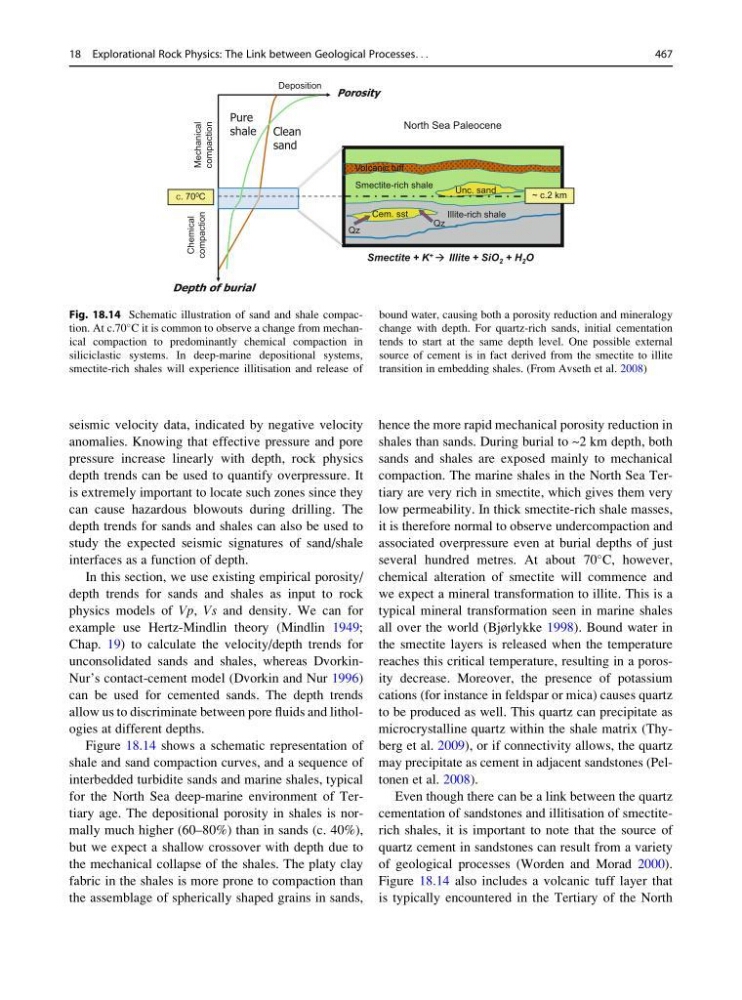
Figure 18.14 shows a schematic representation of
shale and sand compaction curves, and a sequence of
interbedded turbidite sands and marine shales, typical
for the North Sea deep-marine environment of Tertiary age. The depositional porosity in shales is normally much higher (60–80%) than in sands (c. 40%),
but we expect a shallow crossover with depth due to
the mechanical collapse of the shales. The platy clay
fabric in the shales is more prone to compaction than
the assemblage of spherically shaped grains in sands,
hence the more rapid mechanical porosity reduction in
shales than sands. During burial to ~2 km depth, both
sands and shales are exposed mainly to mechanical
compaction. The marine shales in the North Sea Tertiary are very rich in smectite, which gives them very
low permeability. In thick smectite-rich shale masses,
it is therefore normal to observe undercompaction and
associated overpressure even at burial depths of just
several hundred metres. At about 70
C, however,
chemical alteration of smectite will commence and
we expect a mineral transformation to illite. This is a
typical mineral transformation seen in marine shales
all over the world (Bjørlykke 1998). Bound water in
the smectite layers is released when the temperature
reaches this critical temperature, resulting in a porosity decrease. Moreover, the presence of potassium
cations (for instance in feldspar or mica) causes quartz
to be produced as well. This quartz can precipitate as
microcrystalline quartz within the shale matrix (Thyberg et al. 2009), or if connectivity allows, the quartz
may precipitate as cement in adjacent sandstones (Peltonen et al. 2008).
Even though there can be a link between the quartz
cementation of sandstones and illitisation of smectiterich shales, it is important to note that the source of
quartz cement in sandstones can result from a variety
of geological processes (Worden and Morad 2000).
Figure 18.14 also includes a volcanic tuff layer that
is typically encountered in the Tertiary of the North
Illite-rich shale
Smectite-rich shale
Unc. sand
Cem. sst
Qz
Porosity
Pure
shale Clean
sand
Qz
Mechanical
compaction
Chemical
compaction
C. 70 0 C
Deposition
North Sea Paleocene
~ c.2 km
Volcanic tuff
Smectite + K +
Illite + SiO 2 + H 2 O
Depth of burial
Fig. 18.14 Schematic illustration of sand and shale compaction. At c.70
C it is common to observe a change from mechanical compaction to predominantly chemical compaction in
siliciclastic systems. In deep-marine depositional systems,
smectite-rich shales will experience illitisation and release of
bound water, causing both a porosity reduction and mineralogy
change with depth. For quartz-rich sands, initial cementation
tends to start at the same depth level. One possible external
source of cement is in fact derived from the smectite to illite
transition in embedding shales. (From Avseth et al. 2008)
18 Explorational Rock Physics: The Link between Geological Processes. . .
467
anomalies. Knowing that effective pressure and pore
pressure increase linearly with depth, rock physics
depth trends can be used to quantify overpressure. It
is extremely important to locate such zones since they
can cause hazardous blowouts during drilling. The
depth trends for sands and shales can also be used to
study the expected seismic signatures of sand/shale
interfaces as a function of depth.
In this section, we use existing empirical porosity/
depth trends for sands and shales as input to rock
physics models of Vp, Vs and density. We can for
example use Hertz-Mindlin theory (Mindlin 1949;
Chap. 19) to calculate the velocity/depth trends for
unconsolidated sands and shales, whereas DvorkinNur’s contact-cement model (Dvorkin and Nur 1996)
can be used for cemented sands. The depth trends
allow us to discriminate between pore fluids and lithologies at different depths.
Figure 18.14 shows a schematic representation of
shale and sand compaction curves, and a sequence of
interbedded turbidite sands and marine shales, typical
for the North Sea deep-marine environment of Tertiary age. The depositional porosity in shales is normally much higher (60–80%) than in sands (c. 40%),
but we expect a shallow crossover with depth due to
the mechanical collapse of the shales. The platy clay
fabric in the shales is more prone to compaction than
the assemblage of spherically shaped grains in sands,
hence the more rapid mechanical porosity reduction in
shales than sands. During burial to ~2 km depth, both
sands and shales are exposed mainly to mechanical
compaction. The marine shales in the North Sea Tertiary are very rich in smectite, which gives them very
low permeability. In thick smectite-rich shale masses,
it is therefore normal to observe undercompaction and
associated overpressure even at burial depths of just
several hundred metres. At about 70
C, however,
chemical alteration of smectite will commence and
we expect a mineral transformation to illite. This is a
typical mineral transformation seen in marine shales
all over the world (Bjørlykke 1998). Bound water in
the smectite layers is released when the temperature
reaches this critical temperature, resulting in a porosity decrease. Moreover, the presence of potassium
cations (for instance in feldspar or mica) causes quartz
to be produced as well. This quartz can precipitate as
microcrystalline quartz within the shale matrix (Thyberg et al. 2009), or if connectivity allows, the quartz
may precipitate as cement in adjacent sandstones (Peltonen et al. 2008).
Even though there can be a link between the quartz
cementation of sandstones and illitisation of smectiterich shales, it is important to note that the source of
quartz cement in sandstones can result from a variety
of geological processes (Worden and Morad 2000).
Figure 18.14 also includes a volcanic tuff layer that
is typically encountered in the Tertiary of the North
Illite-rich shale
Smectite-rich shale
Unc. sand
Cem. sst
Qz
Porosity
Pure
shale Clean
sand
Qz
Mechanical
compaction
Chemical
compaction
C. 70 0 C
Deposition
North Sea Paleocene
~ c.2 km
Volcanic tuff
Smectite + K +
Illite + SiO 2 + H 2 O
Depth of burial
Fig. 18.14 Schematic illustration of sand and shale compaction. At c.70
C it is common to observe a change from mechanical compaction to predominantly chemical compaction in
siliciclastic systems. In deep-marine depositional systems,
smectite-rich shales will experience illitisation and release of
bound water, causing both a porosity reduction and mineralogy
change with depth. For quartz-rich sands, initial cementation
tends to start at the same depth level. One possible external
source of cement is in fact derived from the smectite to illite
transition in embedding shales. (From Avseth et al. 2008)
18 Explorational Rock Physics: The Link between Geological Processes. . .
467