

called raw seismic data which contains real signals
together with noise and multiples. This raw data must
then be processed by employing advanced methods
within signal processing and wave-theory to get better
images of the subsurface. The prime objective in the
processing stage is to enhance the signal and suppress
the coherent and noncoherent noises and multiples
(Fig. 17.19). Coherent noise is unwanted seismic
energy that shows consistent phase from one seismic
trace to another. This may consist of waves that
travel through the air at very low velocities such as
airwaves or air blast, and ground roll that travels
through the top of the surface layer, also known as the
weathering layer. Multiples are internal reflections in a
layer, which occur when exceptionally large reflection
coefficients are present. In marine seismic the waterbottom multiples normally dominate. Noncoherent
energy is typically nonseismic-generated noise, such
as noise from wind, moving vehicles, overhead power
line or high-voltage pickup, gas flares and water injection plants.
It has been stated earlier that seismic processing
is the alteration of seismic data to suppress noise,
enhance signal and migrate seismic events to the
appropriate location in space. Seismic processing
facilitates better interpretation because subsurface
structures and reflection geometries are more apparent. The typical sampling rate of seismic acquisition
is 2 ms. Digital recording of the incoming wavefield
at densely spaced receiver positions ensures that the
recorded signal and noise are properly sampled and
are therefore unaliased. Aliasing is the ambiguity
that arises because of insufficient sampling. It
occurs when the signal is sampled less than twice the
cycle. The highest frequency defined by a sampling
interval is termed the Nyquist frequency and is equal
to the inverse of 2Δt, where Δt is the sampling
interval. Frequencies higher than the Nyquist frequency will be folded back. In the noise-free case,
aliasing can be avoided by a finer spatial sampling
that is at least twice the Nyquist frequency of the
waveform.
It is important to note that no standard processing
sequence exists which can be routinely applied to
all types of raw seismic data. The actual sequence
will be determined by (a) the purpose of the investigation, (b) extensive testing on selected parts of the
dataset and (c) a trade-off between quality and cost.
The 2D seismic processing steps typically include
static corrections, deconvolution, velocity analysis,
normal and dip moveout, stacking and migration.
Layer 1
Layer 2
Layer 3
Fig. 17.17 Acquisition of VSP. The downhole geophones
record important structural and stratigraphic data generated by
a surface energy source
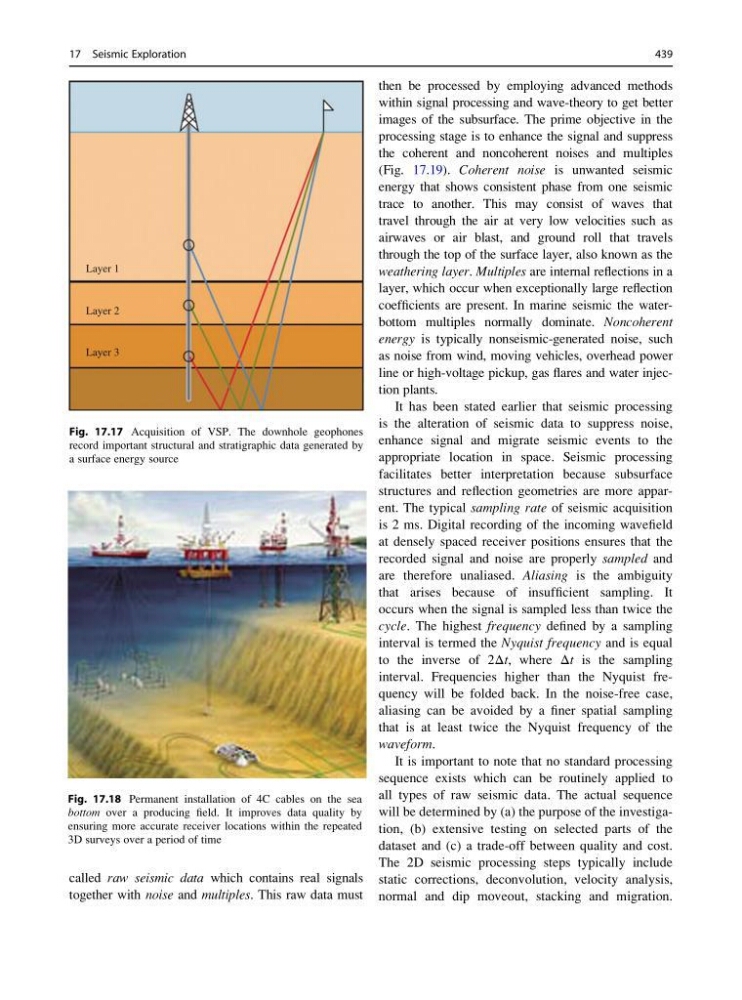
Fig. 17.18 Permanent installation of 4C cables on the sea
bottom over a producing field. It improves data quality by
ensuring more accurate receiver locations within the repeated
3D surveys over a period of time
17 Seismic Exploration
439
together with noise and multiples. This raw data must
then be processed by employing advanced methods
within signal processing and wave-theory to get better
images of the subsurface. The prime objective in the
processing stage is to enhance the signal and suppress
the coherent and noncoherent noises and multiples
(Fig. 17.19). Coherent noise is unwanted seismic
energy that shows consistent phase from one seismic
trace to another. This may consist of waves that
travel through the air at very low velocities such as
airwaves or air blast, and ground roll that travels
through the top of the surface layer, also known as the
weathering layer. Multiples are internal reflections in a
layer, which occur when exceptionally large reflection
coefficients are present. In marine seismic the waterbottom multiples normally dominate. Noncoherent
energy is typically nonseismic-generated noise, such
as noise from wind, moving vehicles, overhead power
line or high-voltage pickup, gas flares and water injection plants.
It has been stated earlier that seismic processing
is the alteration of seismic data to suppress noise,
enhance signal and migrate seismic events to the
appropriate location in space. Seismic processing
facilitates better interpretation because subsurface
structures and reflection geometries are more apparent. The typical sampling rate of seismic acquisition
is 2 ms. Digital recording of the incoming wavefield
at densely spaced receiver positions ensures that the
recorded signal and noise are properly sampled and
are therefore unaliased. Aliasing is the ambiguity
that arises because of insufficient sampling. It
occurs when the signal is sampled less than twice the
cycle. The highest frequency defined by a sampling
interval is termed the Nyquist frequency and is equal
to the inverse of 2Δt, where Δt is the sampling
interval. Frequencies higher than the Nyquist frequency will be folded back. In the noise-free case,
aliasing can be avoided by a finer spatial sampling
that is at least twice the Nyquist frequency of the
waveform.
It is important to note that no standard processing
sequence exists which can be routinely applied to
all types of raw seismic data. The actual sequence
will be determined by (a) the purpose of the investigation, (b) extensive testing on selected parts of the
dataset and (c) a trade-off between quality and cost.
The 2D seismic processing steps typically include
static corrections, deconvolution, velocity analysis,
normal and dip moveout, stacking and migration.
Layer 1
Layer 2
Layer 3
Fig. 17.17 Acquisition of VSP. The downhole geophones
record important structural and stratigraphic data generated by
a surface energy source
Fig. 17.18 Permanent installation of 4C cables on the sea
bottom over a producing field. It improves data quality by
ensuring more accurate receiver locations within the repeated
3D surveys over a period of time
17 Seismic Exploration
439