

alone. In water-bearing formations the oil-based mud
filtrate does not replace all the formation water even
close to the borehole wall (Fig. 16.3c), while in oilbearing formations the oil-based mud filtrate only
replaces the oil in the formation, leaving the formation
water in place (Fig. 16.3d).
It is very important to know the type of drilling mud
used, as this will determine the way in which it
influences what is recorded on the logs. Salinity
variations in mud may alter rock properties. Oil-based
mud causes its own complications for log
interpretation. To get good readings of the true subsurface properties of the rock, the tool has to either (1)
measure accurately through the borehole mud, mud
cake, flushed zone and transition zone, or (2) make
readings closer to the tool (i.e. in the flushed zone) that
can be reliably corrected to represent the values in the
uninvaded zone. Wireline companies provide correction graphs for their various tools. However, the accuracy of the correction diminishes as the diameter of the
borehole, the thickness of mud cake and the depth of
invasion, increase.
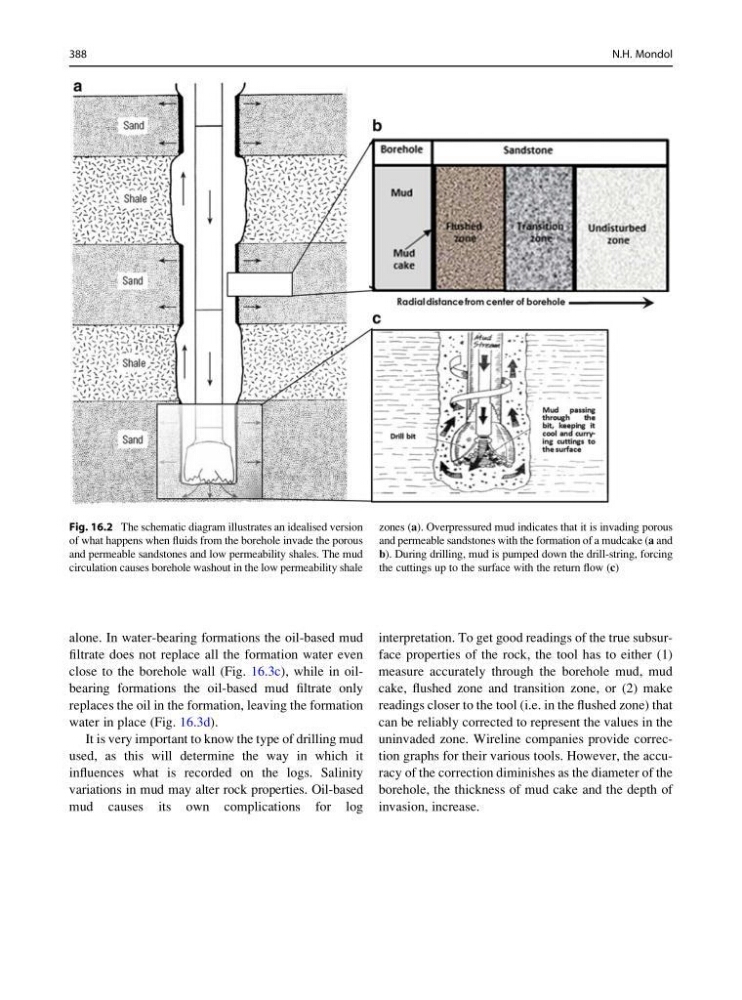
Fig. 16.2 The schematic diagram illustrates an idealised version
of what happens when fluids from the borehole invade the porous
and permeable sandstones and low permeability shales. The mud
circulation causes borehole washout in the low permeability shale
zones (a). Overpressured mud indicates that it is invading porous
and permeable sandstones with the formation of a mudcake (a and
b). During drilling, mud is pumped down the drill-string, forcing
the cuttings up to the surface with the return flow (c)
388
N.H. Mondol
filtrate does not replace all the formation water even
close to the borehole wall (Fig. 16.3c), while in oilbearing formations the oil-based mud filtrate only
replaces the oil in the formation, leaving the formation
water in place (Fig. 16.3d).
It is very important to know the type of drilling mud
used, as this will determine the way in which it
influences what is recorded on the logs. Salinity
variations in mud may alter rock properties. Oil-based
mud causes its own complications for log
interpretation. To get good readings of the true subsurface properties of the rock, the tool has to either (1)
measure accurately through the borehole mud, mud
cake, flushed zone and transition zone, or (2) make
readings closer to the tool (i.e. in the flushed zone) that
can be reliably corrected to represent the values in the
uninvaded zone. Wireline companies provide correction graphs for their various tools. However, the accuracy of the correction diminishes as the diameter of the
borehole, the thickness of mud cake and the depth of
invasion, increase.
Fig. 16.2 The schematic diagram illustrates an idealised version
of what happens when fluids from the borehole invade the porous
and permeable sandstones and low permeability shales. The mud
circulation causes borehole washout in the low permeability shale
zones (a). Overpressured mud indicates that it is invading porous
and permeable sandstones with the formation of a mudcake (a and
b). During drilling, mud is pumped down the drill-string, forcing
the cuttings up to the surface with the return flow (c)
388
N.H. Mondol