

part of the gasoline fraction of oil. Higher paraffins are
waxy and almost a solid phase at room temperature but
become less viscous at higher temperature.
Naphthenes (cycloparaffins) are a series of cyclic,
saturated hydrocarbons with the general formula
(CH 2 ) n . Cyclopentane (C 5 H 10 ) and cyclohexane
(C 6 H 12 ) are important members of the naphthene
series which are found in all types of petroleum.
Naphthenes with lower carbon numbers, C 3 H 6 and
C 4 H 8 , are gases. The percentage of naphthenes in
petroleum varies from 7 to 31. Petroleum rich in
naphthenes is called asphalt-based crude, because
many of the more complex naphthenes have high
boiling points and high viscosity.
Olefins (alkenes) are hydrocarbons with the same
chemical composition as alkanes, but contain one or
more double bonds. Hydrocarbons of this type do not
normally occur in crude oil. Aromatic hydrocarbons
are unsaturated, cyclic, and have the general formula
C n H 2nÀ6 . For example benzene, C 6 H 6 , and toluene,
C 6 H 5 CH 3 , are important ingredients of car petrol on
account of their high octane numbers. Aromatic
hydrocarbons have a strong odour and a lower boiling
point than aliphatic hydrocarbons with the same number of carbon atoms. Aromatic compounds make up
10–39% of crude oil. Refinement of crude oil with a
high content of aromatic compounds results in a high
octane product.
Asphalt is brown to black, solid or highly viscose
petroleum consisting of hydrocarbons with high
molecular weights. Asphalt is rich in aromatic
compounds and naphthenes, and is enriched in sulphur, nitrogen and oxygen.
The sulphur content of crude varies from 1 to 5–6%
and occurs as pure sulphur, hydrogen sulphide (H 2 S)
and organic sulphur compounds. Components in oil
that contain sulphur, nitrogen and oxygen, are called
NSO compounds.
The density of crude oil is measured using the unit
API gravity where “gravity” is expressed as an inverse
value in relation to density as defined by the American
Petroleum Institute.
API gravity ¼ 141:5=ρ À 131:5
HCO
3–
CH
4
HCO
3–
SO
4
2–
+15
(–60 to –90)
(methane)
CH 4
–25
–25
–10 to –25
0 (approx.)
Carbon isotope composition
(δ
13 C PDB) of CO 2
(and CH 4 )
Rate of supply of CO 2
derived from organic
carbon
Concentration (mM/L)
10
20
30
40
50
Marine
carbonate
Bacterial
oxidation
0
10 –2
10
1
2–3 . 10
3
Thermal
decarboxylation
Bacterial
sulphate
reduction
2CH 2 O + SO 4
2–
2CO 2 + 5 2– + 2H 2 O
→
Bacterial
fermentation
2 CH 2 O
CH 4 O + CO 2
→
CH 2 +O 2 CO 2 +H 2 O
→
→
CH 4
SO 4
2–
HCO 3–
→
Depth in m below seafloor
Due to oxidation by Fe
3+ reduction
Due to thermal decarboxylation
Isotopically light CO 2
Isotopically heavy CO 2
→
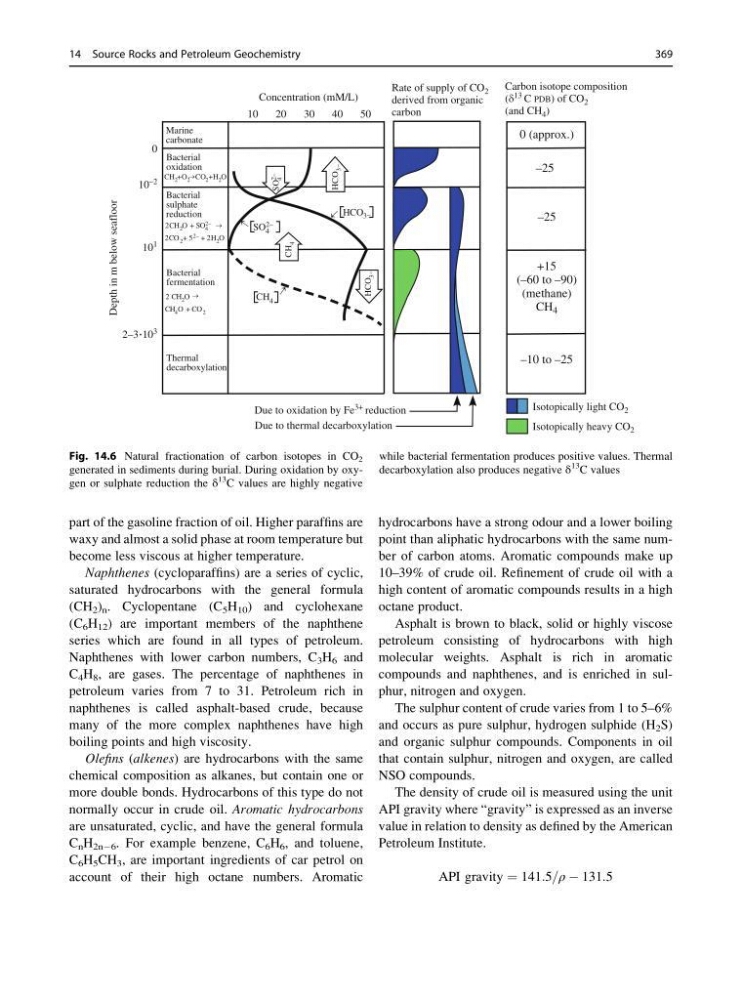
Fig. 14.6 Natural fractionation of carbon isotopes in CO 2
generated in sediments during burial. During oxidation by oxygen or sulphate reduction the δ
13
C values are highly negative
while bacterial fermentation produces positive values. Thermal
decarboxylation also produces negative δ
13
C values
14 Source Rocks and Petroleum Geochemistry
369
waxy and almost a solid phase at room temperature but
become less viscous at higher temperature.
Naphthenes (cycloparaffins) are a series of cyclic,
saturated hydrocarbons with the general formula
(CH 2 ) n . Cyclopentane (C 5 H 10 ) and cyclohexane
(C 6 H 12 ) are important members of the naphthene
series which are found in all types of petroleum.
Naphthenes with lower carbon numbers, C 3 H 6 and
C 4 H 8 , are gases. The percentage of naphthenes in
petroleum varies from 7 to 31. Petroleum rich in
naphthenes is called asphalt-based crude, because
many of the more complex naphthenes have high
boiling points and high viscosity.
Olefins (alkenes) are hydrocarbons with the same
chemical composition as alkanes, but contain one or
more double bonds. Hydrocarbons of this type do not
normally occur in crude oil. Aromatic hydrocarbons
are unsaturated, cyclic, and have the general formula
C n H 2nÀ6 . For example benzene, C 6 H 6 , and toluene,
C 6 H 5 CH 3 , are important ingredients of car petrol on
account of their high octane numbers. Aromatic
hydrocarbons have a strong odour and a lower boiling
point than aliphatic hydrocarbons with the same number of carbon atoms. Aromatic compounds make up
10–39% of crude oil. Refinement of crude oil with a
high content of aromatic compounds results in a high
octane product.
Asphalt is brown to black, solid or highly viscose
petroleum consisting of hydrocarbons with high
molecular weights. Asphalt is rich in aromatic
compounds and naphthenes, and is enriched in sulphur, nitrogen and oxygen.
The sulphur content of crude varies from 1 to 5–6%
and occurs as pure sulphur, hydrogen sulphide (H 2 S)
and organic sulphur compounds. Components in oil
that contain sulphur, nitrogen and oxygen, are called
NSO compounds.
The density of crude oil is measured using the unit
API gravity where “gravity” is expressed as an inverse
value in relation to density as defined by the American
Petroleum Institute.
API gravity ¼ 141:5=ρ À 131:5
HCO
3–
CH
4
HCO
3–
SO
4
2–
+15
(–60 to –90)
(methane)
CH 4
–25
–25
–10 to –25
0 (approx.)
Carbon isotope composition
(δ
13 C PDB) of CO 2
(and CH 4 )
Rate of supply of CO 2
derived from organic
carbon
Concentration (mM/L)
10
20
30
40
50
Marine
carbonate
Bacterial
oxidation
0
10 –2
10
1
2–3 . 10
3
Thermal
decarboxylation
Bacterial
sulphate
reduction
2CH 2 O + SO 4
2–
2CO 2 + 5 2– + 2H 2 O
→
Bacterial
fermentation
2 CH 2 O
CH 4 O + CO 2
→
CH 2 +O 2 CO 2 +H 2 O
→
→
CH 4
SO 4
2–
HCO 3–
→
Depth in m below seafloor
Due to oxidation by Fe
3+ reduction
Due to thermal decarboxylation
Isotopically light CO 2
Isotopically heavy CO 2
→
Fig. 14.6 Natural fractionation of carbon isotopes in CO 2
generated in sediments during burial. During oxidation by oxygen or sulphate reduction the δ
13
C values are highly negative
while bacterial fermentation produces positive values. Thermal
decarboxylation also produces negative δ
13
C values
14 Source Rocks and Petroleum Geochemistry
369