

forming minutely thin but densely spaced holes
which destroy the skeletal material. Coral reefs provide a very favourable environment for a variety of
fish, and the cavities in the structure offer protection
against predators, but some species of fish also live
by literally eating the reef. They take small bites,
and obtain nutrients from the surface. In this manner
they contribute to the bioerosion of the reef and the
deposition of lime sediment on the sea bed.
A reef grows by virtue of the ability of its reefbuilding organisms to keep pace with the biological
and mechanical processes which are continually
breaking it down. Reefs will grow fastest on the outside, where wave energy and nutrient supply are
greatest. In the case of barrier reefs, lagoons form on
the landward side and contain a mixture of carbonate
sand and fragments which have been transported from
the reef facies during storms, together with skeletal
material derived from organisms living in the lagoon
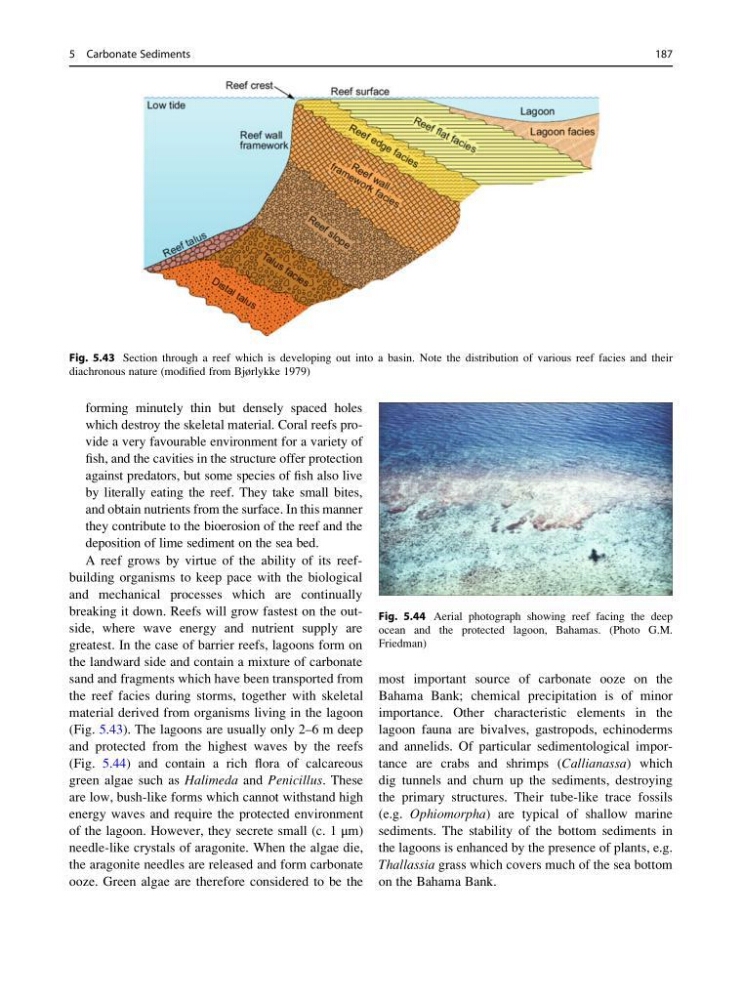
(Fig. 5.43). The lagoons are usually only 2–6 m deep
and protected from the highest waves by the reefs
(Fig. 5.44) and contain a rich flora of calcareous
green algae such as Halimeda and Penicillus. These
are low, bush-like forms which cannot withstand high
energy waves and require the protected environment
of the lagoon. However, they secrete small (c. 1 μm)
needle-like crystals of aragonite. When the algae die,
the aragonite needles are released and form carbonate
ooze. Green algae are therefore considered to be the
most important source of carbonate ooze on the
Bahama Bank; chemical precipitation is of minor
importance. Other characteristic elements in the
lagoon fauna are bivalves, gastropods, echinoderms
and annelids. Of particular sedimentological importance are crabs and shrimps (Callianassa) which
dig tunnels and churn up the sediments, destroying
the primary structures. Their tube-like trace fossils
(e.g. Ophiomorpha) are typical of shallow marine
sediments. The stability of the bottom sediments in
the lagoons is enhanced by the presence of plants, e.g.
Thallassia grass which covers much of the sea bottom
on the Bahama Bank.
Fig. 5.43 Section through a reef which is developing out into a basin. Note the distribution of various reef facies and their
diachronous nature (modified from Bjørlykke 1979)
Fig. 5.44 Aerial photograph showing reef facing the deep
ocean and the protected lagoon, Bahamas. (Photo G.M.
Friedman)
5 Carbonate Sediments
187
which destroy the skeletal material. Coral reefs provide a very favourable environment for a variety of
fish, and the cavities in the structure offer protection
against predators, but some species of fish also live
by literally eating the reef. They take small bites,
and obtain nutrients from the surface. In this manner
they contribute to the bioerosion of the reef and the
deposition of lime sediment on the sea bed.
A reef grows by virtue of the ability of its reefbuilding organisms to keep pace with the biological
and mechanical processes which are continually
breaking it down. Reefs will grow fastest on the outside, where wave energy and nutrient supply are
greatest. In the case of barrier reefs, lagoons form on
the landward side and contain a mixture of carbonate
sand and fragments which have been transported from
the reef facies during storms, together with skeletal
material derived from organisms living in the lagoon
(Fig. 5.43). The lagoons are usually only 2–6 m deep
and protected from the highest waves by the reefs
(Fig. 5.44) and contain a rich flora of calcareous
green algae such as Halimeda and Penicillus. These
are low, bush-like forms which cannot withstand high
energy waves and require the protected environment
of the lagoon. However, they secrete small (c. 1 μm)
needle-like crystals of aragonite. When the algae die,
the aragonite needles are released and form carbonate
ooze. Green algae are therefore considered to be the
most important source of carbonate ooze on the
Bahama Bank; chemical precipitation is of minor
importance. Other characteristic elements in the
lagoon fauna are bivalves, gastropods, echinoderms
and annelids. Of particular sedimentological importance are crabs and shrimps (Callianassa) which
dig tunnels and churn up the sediments, destroying
the primary structures. Their tube-like trace fossils
(e.g. Ophiomorpha) are typical of shallow marine
sediments. The stability of the bottom sediments in
the lagoons is enhanced by the presence of plants, e.g.
Thallassia grass which covers much of the sea bottom
on the Bahama Bank.
Fig. 5.43 Section through a reef which is developing out into a basin. Note the distribution of various reef facies and their
diachronous nature (modified from Bjørlykke 1979)
Fig. 5.44 Aerial photograph showing reef facing the deep
ocean and the protected lagoon, Bahamas. (Photo G.M.
Friedman)
5 Carbonate Sediments
187