

5.5.8 Micritisation
This process, which was first described by Bathurst
(1975), is due to the fact that exposed skeletal
fragments within the photic zone may serve as suitable
substrates for various green algae, cyanobacteria and
fungi. These organisms destroy the surface by boring a
fraction of a millimetre into the fragment by secreting
acids which dissolve tubular boreholes in which the
filaments reside. The diameter of each hole varies
somewhat, but usually it is around 5–7 μm (maximally
15 μm).
When the bioeroding organisms die, each hole gets
filled with tiny crystals (micrite) of aragonite or highMg calcite. Which crystal type is precipitated depends
on the primary mineralogical composition of the shell.
Usually the precipitate is aragonite if the shell is aragonite, and likewise for fragments of high-Mg calcite.
However, some bacteria can secrete aragonite, and
therefore aragonite-fills in empty boreholes may have
been produced by bacteria which lived on the algae. In
pre-Quaternary sediments low-Mg calcite has usually
replaced both high-Mg calcite and aragonite micrites.
Repeated borings followed by precipitation and
a
d
e
f
b
c
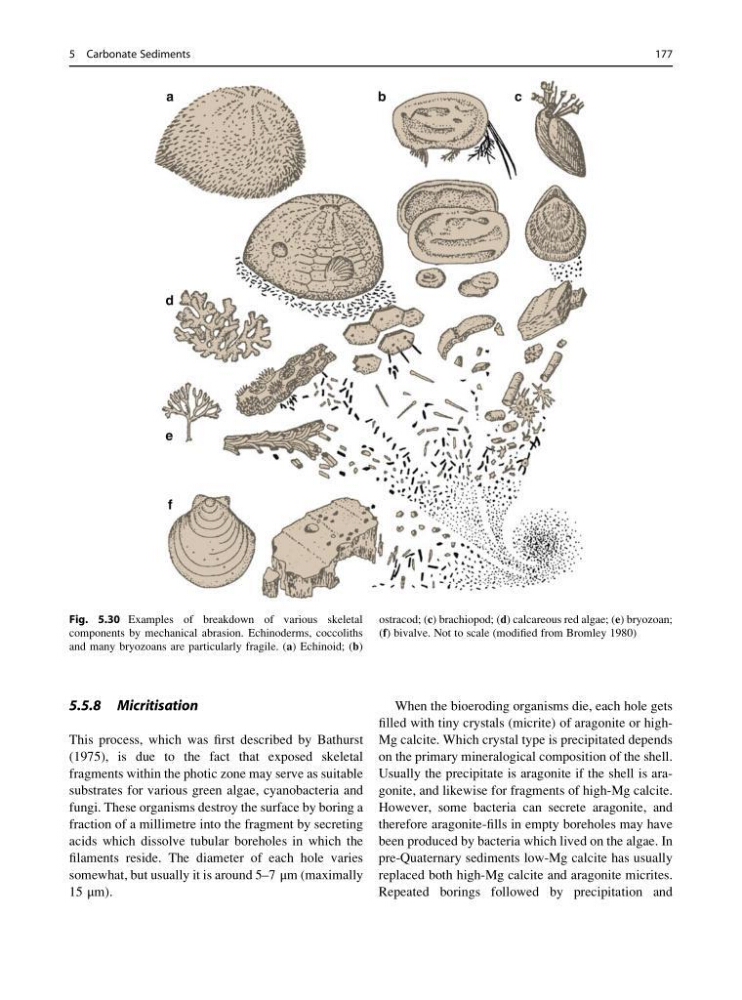
Fig. 5.30 Examples of breakdown of various skeletal
components by mechanical abrasion. Echinoderms, coccoliths
and many bryozoans are particularly fragile. (a) Echinoid; (b)
ostracod; (c) brachiopod; (d) calcareous red algae; (e) bryozoan;
(f) bivalve. Not to scale (modified from Bromley 1980)
5 Carbonate Sediments
177
This process, which was first described by Bathurst
(1975), is due to the fact that exposed skeletal
fragments within the photic zone may serve as suitable
substrates for various green algae, cyanobacteria and
fungi. These organisms destroy the surface by boring a
fraction of a millimetre into the fragment by secreting
acids which dissolve tubular boreholes in which the
filaments reside. The diameter of each hole varies
somewhat, but usually it is around 5–7 μm (maximally
15 μm).
When the bioeroding organisms die, each hole gets
filled with tiny crystals (micrite) of aragonite or highMg calcite. Which crystal type is precipitated depends
on the primary mineralogical composition of the shell.
Usually the precipitate is aragonite if the shell is aragonite, and likewise for fragments of high-Mg calcite.
However, some bacteria can secrete aragonite, and
therefore aragonite-fills in empty boreholes may have
been produced by bacteria which lived on the algae. In
pre-Quaternary sediments low-Mg calcite has usually
replaced both high-Mg calcite and aragonite micrites.
Repeated borings followed by precipitation and
a
d
e
f
b
c
Fig. 5.30 Examples of breakdown of various skeletal
components by mechanical abrasion. Echinoderms, coccoliths
and many bryozoans are particularly fragile. (a) Echinoid; (b)
ostracod; (c) brachiopod; (d) calcareous red algae; (e) bryozoan;
(f) bivalve. Not to scale (modified from Bromley 1980)
5 Carbonate Sediments
177