

460
Sequence Stratigraphy
Fluvial strata
Base level
Shoreface strata
High
Low
D
5
�L �------���-------1-lQ's km
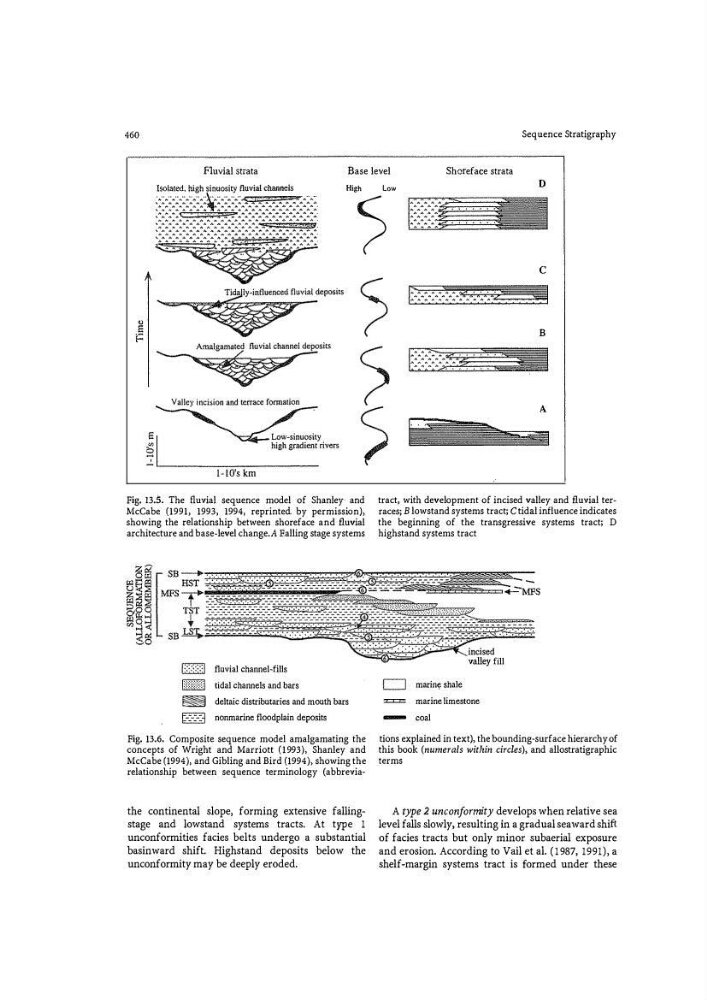
Fig. 13.5. The fluvial sequence model of Shanley and
McCabe (1991, 1993, 1994, reprinted by permission),
showing the relationship between shoreface and fluvial
architecture and base� level change. A Falling stage systems
1:::::::::1 fluvial channel�fills
tidal channels and bars
:�
� deltaic distributaries and mouth bars
nonmarine floodplain deposits
Fig. 13.6. Composite sequence model amalgamating the
concepts of Wright and Marriott (1993), Shanley and
McCabe (1994), and Gibling and Bird (1994), showing the
relationship between sequence terminology (abbreviathe continental slope, forming extensive fallingstage and lowstand systems tracts. At type 1
unconformities facies belts undergo a substantial
basinward shift. Highstand deposits below the
unconformity may be deeply eroded.
c
B
A
tract, with development of incised valley- and fluvial ter�
races; B lowstand systems tract; C tidal influence indicates
the beginning of the transgressive systems tract; D
highstand systems tract
valley fill
mariny shale
=
marine limestone
-c oal
tions explained in text), the bounding-surface hierarchy of
this book (numerals within circles), and allostratigraphic
terms
A typ e 2 unconfo rmity develops when relative sea
level falls slowly, resulting in a gradual seaward shift
of facies tracts but only minor subaerial exposure
and erosion. According to Vail et al. (1987, 1991), a
shelf-margin systems tract is formed under these
Sequence Stratigraphy
Fluvial strata
Base level
Shoreface strata
High
Low
D
5
�L �------���-------1-lQ's km
Fig. 13.5. The fluvial sequence model of Shanley and
McCabe (1991, 1993, 1994, reprinted by permission),
showing the relationship between shoreface and fluvial
architecture and base� level change. A Falling stage systems
1:::::::::1 fluvial channel�fills
tidal channels and bars
:�
� deltaic distributaries and mouth bars
nonmarine floodplain deposits
Fig. 13.6. Composite sequence model amalgamating the
concepts of Wright and Marriott (1993), Shanley and
McCabe (1994), and Gibling and Bird (1994), showing the
relationship between sequence terminology (abbreviathe continental slope, forming extensive fallingstage and lowstand systems tracts. At type 1
unconformities facies belts undergo a substantial
basinward shift. Highstand deposits below the
unconformity may be deeply eroded.
c
B
A
tract, with development of incised valley- and fluvial ter�
races; B lowstand systems tract; C tidal influence indicates
the beginning of the transgressive systems tract; D
highstand systems tract
valley fill
mariny shale
=
marine limestone
-c oal
tions explained in text), the bounding-surface hierarchy of
this book (numerals within circles), and allostratigraphic
terms
A typ e 2 unconfo rmity develops when relative sea
level falls slowly, resulting in a gradual seaward shift
of facies tracts but only minor subaerial exposure
and erosion. According to Vail et al. (1987, 1991), a
shelf-margin systems tract is formed under these