

Conglomerates: The Significance ofT exture and Petrology
427
�':- �:? �:: - �::' . :=: . � . ::' - �. :: . . .. ::�-:f:.? ama!g ; m � t � d � c �� � o :: . . ::.�.-�-='- · --�- - -- - �-- --� ---� -�-�----=- 0
so
�
edge of flow lobe
channel
rewor ed chann c l\ ae
� _(2\
··· . • . · •.••• •· • 5 .. ,.. • •·. • · • • · ·:., ·:·:: ·. , · . h
·:.·::. ·::. : :·: )' ·· r��-� �b����do n�:n · t · · ·
.·
. . ·
Gmm, Gmg, Gci, Gem
eo 1an san s eet with rootlets ·
surface
�· · .o�.� . . � ... · .�·�· o · ��""�'� Q;; , � 1 ! . . �.:�. :�. :
.
: . : . �.: . � . � . . �� . . �o
. . :: ... :. �.�.
�·
A
B
0
5 m
I I I I I I I I I I I
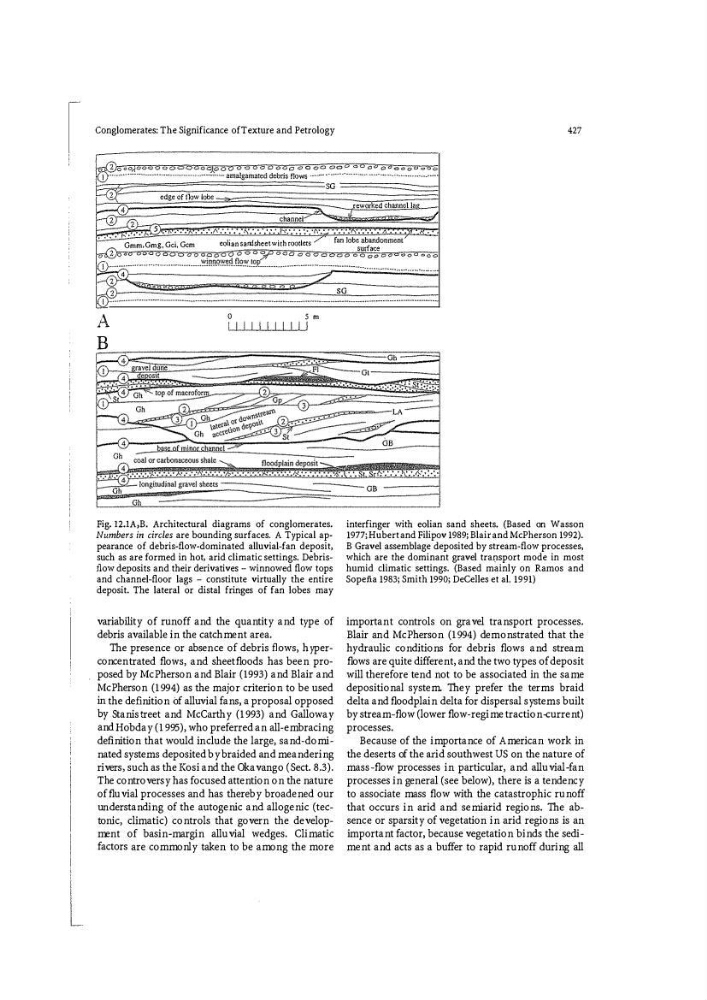
Fig. 12.1A,B. Architectural diagrams of conglomerates.
Numbers in circles are bounding surfaces. A Typical ap�
pearance of debris�flow�dominated alluvial�fan deposit,
such as are fo rmed in hot> arid climatic settings. Debrisflow deposits and their derivatives - winnowed flow tops
and channel-floor lags - constitute virtually the entire
deposit. The lateral or distal fringes of fan lobes may
variability of runoff and the quantity and ty pe of
debris av ailable in the catchment area.
The presence or absen ce of debris flows, hyperconcen trated flows, and sheetfloods has been proposed by McPherson and Blair (1993) and Blair and
McPherson (199 4) as the major criterion to be used
in the definition of alluvial fans, a proposal opposed
by Stanistreet and McCarthy (1993) and Galloway
and Hobday (1995), who preferred an all-embracing
definition that would in clude the large, sand-dominated sy stem s deposited by braided an d meandering
rivers) such as the Kosi and the Okavango (Sect. 8.3).
The controversy has focused attention on the nature
of fluvial processes an d has thereby broadened our
un derstanding of the autogenic and allogenic (tectonic, climatic) controls that govern the developmen t of basin-margin alluvial wedges. Climatic
factors are commonly taken to be amon g the more
so
interfinger with eolian sand sheets. (Based on Wasson
1977; Hubert and Filipov 1989; Blair and McPherson 1992).
B Gravel assemblage deposited by stream-flow processes,
which are the dominant gravel tra�sport mode in most
humid climatic settings. (Based mainly on Ramos and
Sopefia 1983; Smith 1990; DeCelles et al. 1991)
im portan t controls on gravel transport processes.
Blair an d McPherson (199 4) dem onstrated that the
hy draulic conditions for debris flows and stream
flows are quite different, and the two ty pes of deposit
will therefore ten d not to be associated in the same
depositional sy stem. They prefer the terms braid
delta and floodplain delta for dispersal system s built
by stream-flow (lower flow-regime traction�current)
processes.
Because of the importance of American work in
the deserts of the arid southwest US on the nature of
mass-flow processes in particular, and alluvial-fan
processes in gen eral (see below), there is a tendency
to associate mass flow with the catastrophic runoff
that occurs in arid and semiarid regions. The absence or sparsity of vegetation in arid regions is an
im portant factor, because vegetation binds the sediment and acts as a buffer to rapid runoff during all
427
�':- �:? �:: - �::' . :=: . � . ::' - �. :: . . .. ::�-:f:.? ama!g ; m � t � d � c �� � o :: . . ::.�.-�-='- · --�- - -- - �-- --� ---� -�-�----=- 0
so
�
edge of flow lobe
channel
rewor ed chann c l\ ae
� _(2\
··· . • . · •.••• •· • 5 .. ,.. • •·. • · • • · ·:., ·:·:: ·. , · . h
·:.·::. ·::. : :·: )' ·· r��-� �b����do n�:n · t · · ·
.·
. . ·
Gmm, Gmg, Gci, Gem
eo 1an san s eet with rootlets ·
surface
�· · .o�.� . . � ... · .�·�· o · ��""�'� Q;; , � 1 ! . . �.:�. :�. :
.
: . : . �.: . � . � . . �� . . �o
. . :: ... :. �.�.
�·
A
B
0
5 m
I I I I I I I I I I I
Fig. 12.1A,B. Architectural diagrams of conglomerates.
Numbers in circles are bounding surfaces. A Typical ap�
pearance of debris�flow�dominated alluvial�fan deposit,
such as are fo rmed in hot> arid climatic settings. Debrisflow deposits and their derivatives - winnowed flow tops
and channel-floor lags - constitute virtually the entire
deposit. The lateral or distal fringes of fan lobes may
variability of runoff and the quantity and ty pe of
debris av ailable in the catchment area.
The presence or absen ce of debris flows, hyperconcen trated flows, and sheetfloods has been proposed by McPherson and Blair (1993) and Blair and
McPherson (199 4) as the major criterion to be used
in the definition of alluvial fans, a proposal opposed
by Stanistreet and McCarthy (1993) and Galloway
and Hobday (1995), who preferred an all-embracing
definition that would in clude the large, sand-dominated sy stem s deposited by braided an d meandering
rivers) such as the Kosi and the Okavango (Sect. 8.3).
The controversy has focused attention on the nature
of fluvial processes an d has thereby broadened our
un derstanding of the autogenic and allogenic (tectonic, climatic) controls that govern the developmen t of basin-margin alluvial wedges. Climatic
factors are commonly taken to be amon g the more
so
interfinger with eolian sand sheets. (Based on Wasson
1977; Hubert and Filipov 1989; Blair and McPherson 1992).
B Gravel assemblage deposited by stream-flow processes,
which are the dominant gravel tra�sport mode in most
humid climatic settings. (Based mainly on Ramos and
Sopefia 1983; Smith 1990; DeCelles et al. 1991)
im portan t controls on gravel transport processes.
Blair an d McPherson (199 4) dem onstrated that the
hy draulic conditions for debris flows and stream
flows are quite different, and the two ty pes of deposit
will therefore ten d not to be associated in the same
depositional sy stem. They prefer the terms braid
delta and floodplain delta for dispersal system s built
by stream-flow (lower flow-regime traction�current)
processes.
Because of the importance of American work in
the deserts of the arid southwest US on the nature of
mass-flow processes in particular, and alluvial-fan
processes in gen eral (see below), there is a tendency
to associate mass flow with the catastrophic runoff
that occurs in arid and semiarid regions. The absence or sparsity of vegetation in arid regions is an
im portant factor, because vegetation binds the sediment and acts as a buffer to rapid runoff during all