

378
direction of
plate migration
Tectonic Control of Fluvial Sedimentation
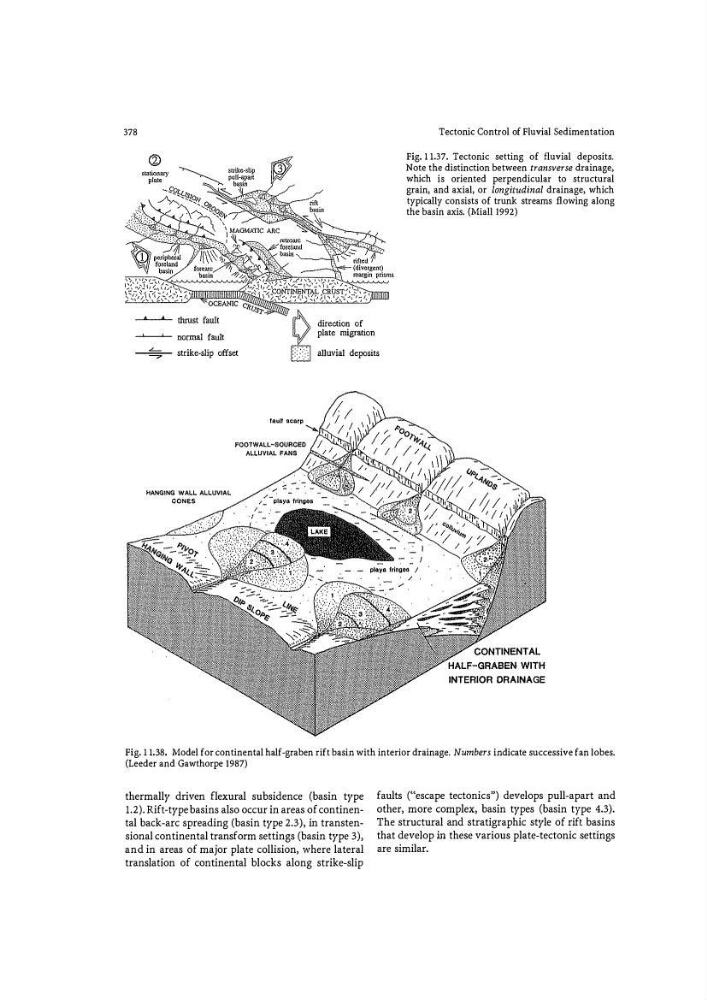
Fig. 11.37. Tectonic setting of fluvial deposits.
Note the distinction between transverse drainage,
which is oriented perpendicular to structural
grain, and axial, or longitudinal drainage, which
typically consists of trunk streams flowing along
the basin axis. (Miall l992)
�-� normal fault
--=:'::; ;�- strike-slip offset
alluvial deposits
HANGING WALL ALLUVIAL
CONES
fault
INTERIOR DRAINAGE
Fig. 11.38. Model for continental half-graben rift basin with interior drainage. Numbers indicate successive fan lobes.
(Leeder and Gawthorpe 1987)
thermally driven flexural subsidence (basin type
1.2). Rift-type basins also occur in areas of continental back-arc spreading (basin type 2.3), in transtensional continental transform settings (basin type 3),
and in areas of major plate collision, where lateral
translation of continental blocks along strike-slip
faults (''escape tectonics") develops pull-apart and
other, more complex, basin types (basin type 4.3).
The structural and stratigraphic style of rift basins
that develop in these various plate-tectonic settings
are similar.
direction of
plate migration
Tectonic Control of Fluvial Sedimentation
Fig. 11.37. Tectonic setting of fluvial deposits.
Note the distinction between transverse drainage,
which is oriented perpendicular to structural
grain, and axial, or longitudinal drainage, which
typically consists of trunk streams flowing along
the basin axis. (Miall l992)
�-� normal fault
--=:'::; ;�- strike-slip offset
alluvial deposits
HANGING WALL ALLUVIAL
CONES
fault
INTERIOR DRAINAGE
Fig. 11.38. Model for continental half-graben rift basin with interior drainage. Numbers indicate successive fan lobes.
(Leeder and Gawthorpe 1987)
thermally driven flexural subsidence (basin type
1.2). Rift-type basins also occur in areas of continental back-arc spreading (basin type 2.3), in transtensional continental transform settings (basin type 3),
and in areas of major plate collision, where lateral
translation of continental blocks along strike-slip
faults (''escape tectonics") develops pull-apart and
other, more complex, basin types (basin type 4.3).
The structural and stratigraphic style of rift basins
that develop in these various plate-tectonic settings
are similar.