

Stratigraphic Nomenclature
reality closely related, differing mainly in emphasis.
Allostratigraphy has been proposed as a general
system of descriptive, nongenetic, regional strati�
graphic subdivisio11: based on the recognition of
breaks in sedimentation. The bounding-surface hierarchy proposed by Miall (1988a,b) and used
throughout this book fo cused initially on smallerscale features, such as the individual components of
depositional systems but has now been expanded to
include larger-scale fe atures. For example, the numbered alloformations of Fig. 9.73 correspond to
30° 30'
307
group 9 depositional systems of Tables 3.2 and 9.1
and are bounded by sixthw or seventh-order surfaces
in Miall's (1988a) scheme. The subdivisions of each
of the alloformations into allomembers, indicated by
the clay, sand, and gravel areas in Fig. 9.73, represent
the group 8 subdivisions of the depositional system
into alluvial fans, channel belts, floodplains, etc.,
bounded by fifth-order surfaces. The scheme of
DeCelles et al. (1991), illustrated in Fig. 4.3, should
be compared with this. There are some differences,
but the same principles of hierarchical subdivision
Alluvium, tJndifl Prairk Complex. Unditftmmti.atcd
91" 57' 30"
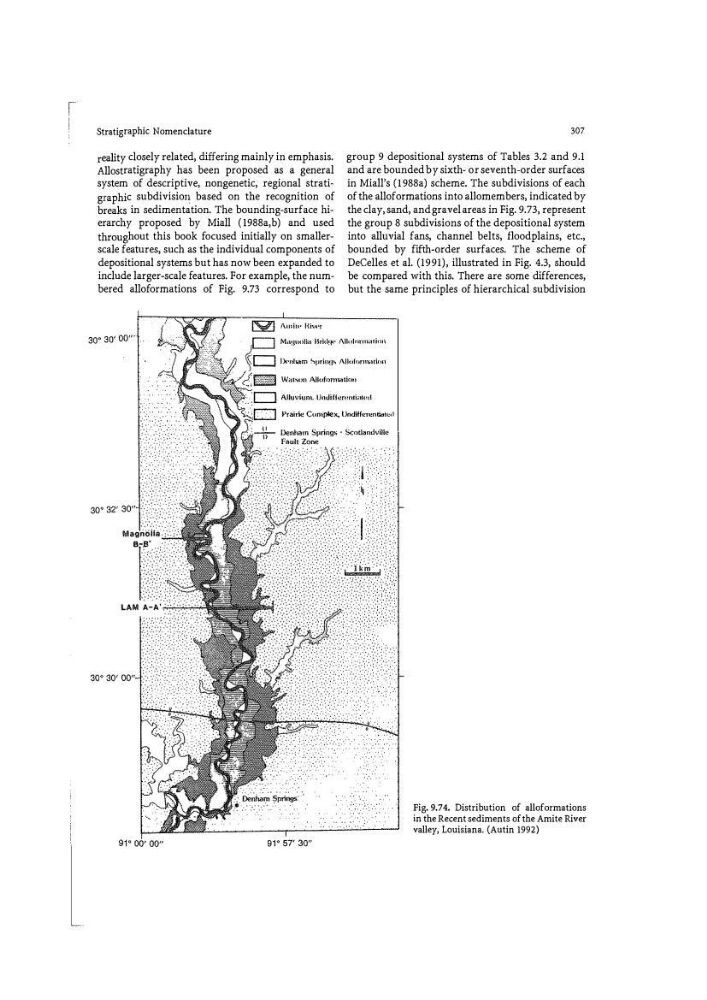
Fig. 9.74. Distribution of alloformations
in the Recent sediments of the Amite River
valley, Louisiana. (Autin 1992)
reality closely related, differing mainly in emphasis.
Allostratigraphy has been proposed as a general
system of descriptive, nongenetic, regional strati�
graphic subdivisio11: based on the recognition of
breaks in sedimentation. The bounding-surface hierarchy proposed by Miall (1988a,b) and used
throughout this book fo cused initially on smallerscale features, such as the individual components of
depositional systems but has now been expanded to
include larger-scale fe atures. For example, the numbered alloformations of Fig. 9.73 correspond to
30° 30'
307
group 9 depositional systems of Tables 3.2 and 9.1
and are bounded by sixthw or seventh-order surfaces
in Miall's (1988a) scheme. The subdivisions of each
of the alloformations into allomembers, indicated by
the clay, sand, and gravel areas in Fig. 9.73, represent
the group 8 subdivisions of the depositional system
into alluvial fans, channel belts, floodplains, etc.,
bounded by fifth-order surfaces. The scheme of
DeCelles et al. (1991), illustrated in Fig. 4.3, should
be compared with this. There are some differences,
but the same principles of hierarchical subdivision
Alluvium, tJndifl Prairk Complex. Unditftmmti.atcd
91" 57' 30"
Fig. 9.74. Distribution of alloformations
in the Recent sediments of the Amite River
valley, Louisiana. (Autin 1992)