

248
DEBRIS FLOW FANS
).�
!·· :!:�: . . ,
\� ... M
J
/."'dl;.��Y
�--
TROLLHEIM
FAN
(DEATH VALLEY)
YANA�
FAN I.LV
(S.E.ALASKA)
DEBRIS FLOW
PROCESSES
fAN TYPES
CJ OESRJS FlOW OOMINATEO
D SRAIO OOMINATEO
§ LOSIMEAN OOMIN.'.TtO
CO
RECENT F'ANS
.6. ANCIENT FANS
Fluvial Styles and Facies Models
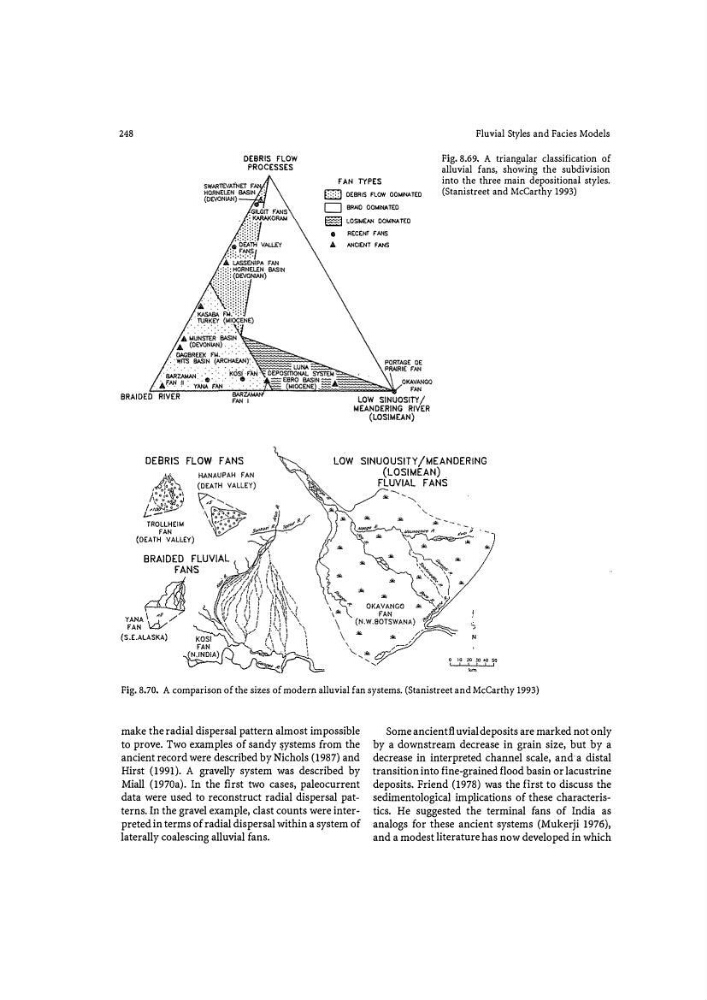
Fig. 8.69. A triangular classification of
alluvial fans, showing the subdivision
into the three main depositional styles.
(Stanistreet and McCarthy 1993)
LOW SINUOUSITY /MEANDERING
(LOSIMEAN) .
FLUVIAL FANS
Fig. 8.70. A comparison of the sizes of modern alluvial fan systems. (Stanistreet and McCarthy 1993)
make the radial dispersal pattern almost impossible
to prove. Two examples of sandy systems from the
ancient record were described by Nichols ( 1987) and
Hirst (1991). A gravelly system was described by
Miall (1970a). In the first two cases, paleocurrent
data were used to reconstruct radial dispersal patterns. In the gravel example, clast counts were interpreted in terms of radial dispersal within a system of
laterally coalescing alluvial fans.
Some ancient fluvial deposits are marked not only
by a downstream decrease in grain size, but by a
decrease in interpreted channel scale, and· a distal
transition into fine-grained flood basin or lacustrine
deposits. Friend (1978) was the first to discuss the
sedimentological implications of these characteristics. He suggested the terminal fans of India as
analogs for these ancient systems (Mukerji 1976),
and a modest literature has now developed in which
DEBRIS FLOW FANS
).�
!·· :!:�: . . ,
\� ... M
J
/."'dl;.��Y
�--
TROLLHEIM
FAN
(DEATH VALLEY)
YANA�
FAN I.LV
(S.E.ALASKA)
DEBRIS FLOW
PROCESSES
fAN TYPES
CJ OESRJS FlOW OOMINATEO
D SRAIO OOMINATEO
§ LOSIMEAN OOMIN.'.TtO
CO
RECENT F'ANS
.6. ANCIENT FANS
Fluvial Styles and Facies Models
Fig. 8.69. A triangular classification of
alluvial fans, showing the subdivision
into the three main depositional styles.
(Stanistreet and McCarthy 1993)
LOW SINUOUSITY /MEANDERING
(LOSIMEAN) .
FLUVIAL FANS
Fig. 8.70. A comparison of the sizes of modern alluvial fan systems. (Stanistreet and McCarthy 1993)
make the radial dispersal pattern almost impossible
to prove. Two examples of sandy systems from the
ancient record were described by Nichols ( 1987) and
Hirst (1991). A gravelly system was described by
Miall (1970a). In the first two cases, paleocurrent
data were used to reconstruct radial dispersal patterns. In the gravel example, clast counts were interpreted in terms of radial dispersal within a system of
laterally coalescing alluvial fans.
Some ancient fluvial deposits are marked not only
by a downstream decrease in grain size, but by a
decrease in interpreted channel scale, and· a distal
transition into fine-grained flood basin or lacustrine
deposits. Friend (1978) was the first to discuss the
sedimentological implications of these characteristics. He suggested the terminal fans of India as
analogs for these ancient systems (Mukerji 1976),
and a modest literature has now developed in which