

172
(1993) attribute the preservation of such a large volume of overbank material to rapid subsidence and
sedimentation and frequent overbank flooding.
7.2 Levee and Crevasse Deposits
The lithofacies and architecture of these deposits
have been described by several workers studying
modern fluvial environments, including Coleman
(1969: Brahmaputra River), D.G. Smith (1986:
Magdalena River), Farrell (1987: Mississippi River),
N.D. Smith et al. (1989: Cumberland Marshes,
Saskatchewan) and Brierley (1991: Squamish River).
Good descriptions of examples in the ancient
record have been given by Gersib and McCabe (1981:
Carboniferous, Nova Scotia), Allen and Williams
(1982: Devonian, southwest Wales), Flores and
Hanley (1984: Paleocene, Wyoming), Rust et al.
(1984: Carboniferous, Nova Scotia), Bridge (1984:
Devonian, Ireland), Fielding (1986: Carboniferous,
England), Eberth and Miall (1991: late Paleozoic,
New Mexico), and Platt and Keller (1992: Miocene,
3
(f)
0::
w
4
ti:i
::;;
5
6
PROXIMAL
SPLAY
;#.
�
DISTAL
SPLAY
UNITS
PROXIMAL
LEVEE
Architectural Elements of the Overbank Environment
Switzerland). In addition, there is a considerable
body of literature dealing with coal deposits that is
beyond the scope of this book (e.g., see Rahmani and
Flores 1984; Diessel !992).
7.2.1 Levee Oeposits {Eiemen! LV)
Adjacent to the lower Mississippi River natural
levees are up to 3 km wide and 9 mhigh (Farrell 1987;
Fig. 7.1). Similar widths were encountered in the
Magdalena Valley by D.G. Smith (1986). Along the
Brahmaputra River of Bangladesh, levees extend 700
m from the channel margins and are built up of
overlappping lenses up to I km in width, parallel to
the channel margin {Coleman 1969). Adjacent to
smaller rivers, suCh as reaches of the Saskatchewan
in the Cumberland MarsheS, levees are less than
100 m wide (N.D. Smith et a!. 1989). Depositional
dips away from the channel margins of up to 10'
were observed in some Eocene levee deposits by
Bown and Kraus (1987), but dips of 2-4' are more
common in these beds.
DISTAL
LEVEE
7
8
CJ S/L TY SAND (SURFICIAL SJ?'LA Y)
&;:;,y; · ,�. :j SILTY SAND (SURFICIAL LEVEE)
miJ ROOTED CLAY (BACK SWAMP)
c::: :J SANDY SILT
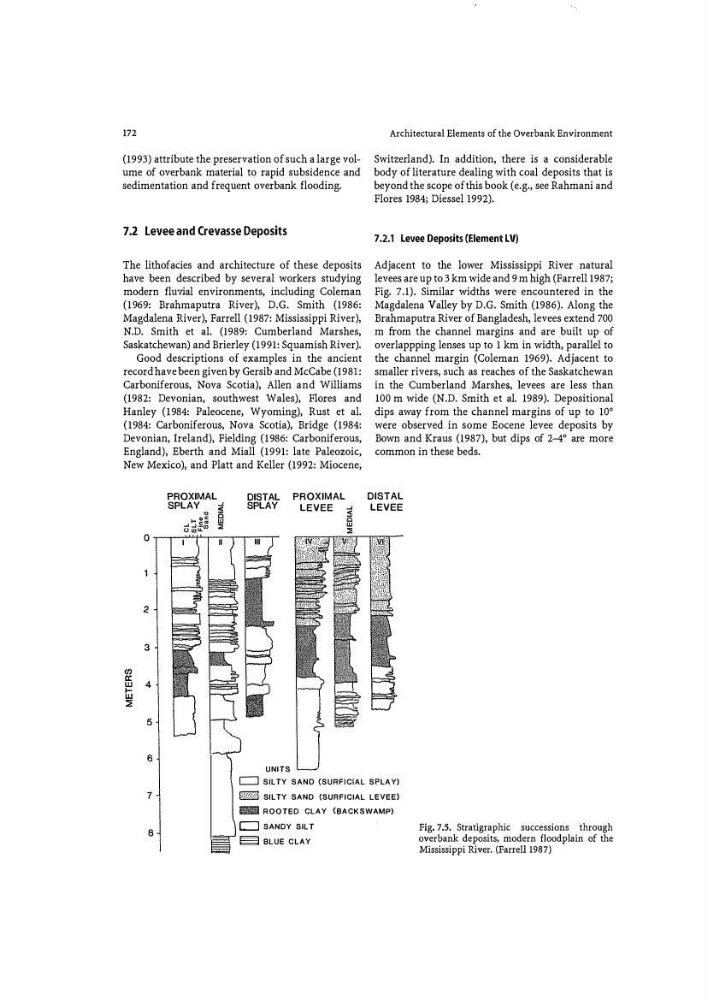
Fig. 7.5. Stratigraphic successions through
overbank deposits) modern floodplain of the
Mississippi River. (Farrell 1987)
� BLUE CLAY
(1993) attribute the preservation of such a large volume of overbank material to rapid subsidence and
sedimentation and frequent overbank flooding.
7.2 Levee and Crevasse Deposits
The lithofacies and architecture of these deposits
have been described by several workers studying
modern fluvial environments, including Coleman
(1969: Brahmaputra River), D.G. Smith (1986:
Magdalena River), Farrell (1987: Mississippi River),
N.D. Smith et al. (1989: Cumberland Marshes,
Saskatchewan) and Brierley (1991: Squamish River).
Good descriptions of examples in the ancient
record have been given by Gersib and McCabe (1981:
Carboniferous, Nova Scotia), Allen and Williams
(1982: Devonian, southwest Wales), Flores and
Hanley (1984: Paleocene, Wyoming), Rust et al.
(1984: Carboniferous, Nova Scotia), Bridge (1984:
Devonian, Ireland), Fielding (1986: Carboniferous,
England), Eberth and Miall (1991: late Paleozoic,
New Mexico), and Platt and Keller (1992: Miocene,
3
(f)
0::
w
4
ti:i
::;;
5
6
PROXIMAL
SPLAY
;#.
�
DISTAL
SPLAY
UNITS
PROXIMAL
LEVEE
Architectural Elements of the Overbank Environment
Switzerland). In addition, there is a considerable
body of literature dealing with coal deposits that is
beyond the scope of this book (e.g., see Rahmani and
Flores 1984; Diessel !992).
7.2.1 Levee Oeposits {Eiemen! LV)
Adjacent to the lower Mississippi River natural
levees are up to 3 km wide and 9 mhigh (Farrell 1987;
Fig. 7.1). Similar widths were encountered in the
Magdalena Valley by D.G. Smith (1986). Along the
Brahmaputra River of Bangladesh, levees extend 700
m from the channel margins and are built up of
overlappping lenses up to I km in width, parallel to
the channel margin {Coleman 1969). Adjacent to
smaller rivers, suCh as reaches of the Saskatchewan
in the Cumberland MarsheS, levees are less than
100 m wide (N.D. Smith et a!. 1989). Depositional
dips away from the channel margins of up to 10'
were observed in some Eocene levee deposits by
Bown and Kraus (1987), but dips of 2-4' are more
common in these beds.
DISTAL
LEVEE
7
8
CJ S/L TY SAND (SURFICIAL SJ?'LA Y)
&;:;,y; · ,�. :j SILTY SAND (SURFICIAL LEVEE)
miJ ROOTED CLAY (BACK SWAMP)
c::: :J SANDY SILT
Fig. 7.5. Stratigraphic successions through
overbank deposits) modern floodplain of the
Mississippi River. (Farrell 1987)
� BLUE CLAY