

3.4 Analysis
191
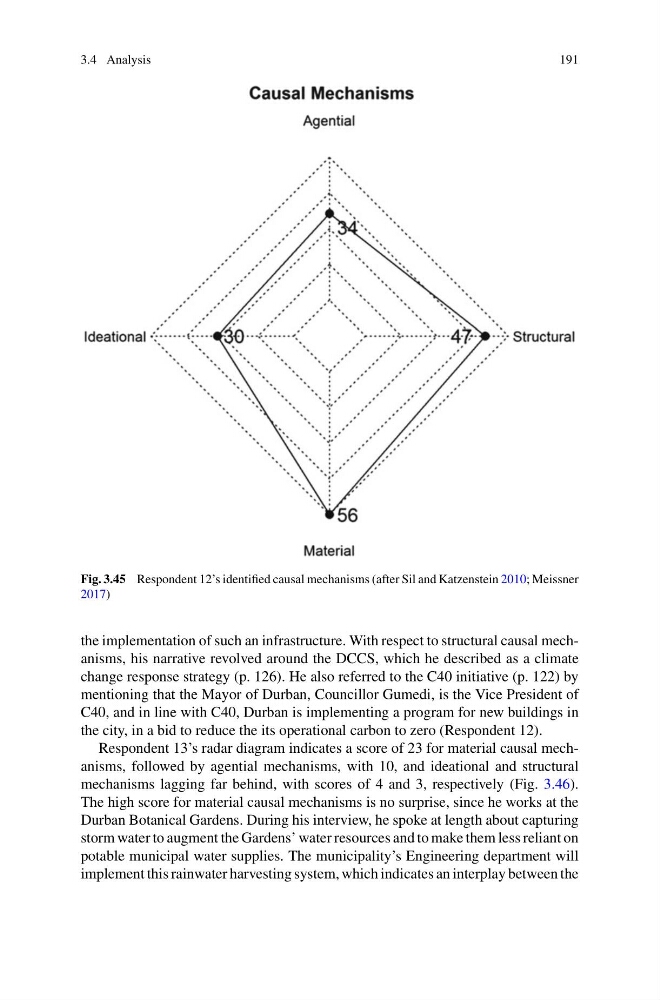
Fig. 3.45 Respondent 12’s identified causal mechanisms (after Sil and Katzenstein 2010; Meissner
2017)
the implementation of such an infrastructure. With respect to structural causal mechanisms, his narrative revolved around the DCCS, which he described as a climate
change response strategy (p. 126). He also referred to the C40 initiative (p. 122) by
mentioning that the Mayor of Durban, Councillor Gumedi, is the Vice President of
C40, and in line with C40, Durban is implementing a program for new buildings in
the city, in a bid to reduce the its operational carbon to zero (Respondent 12).
Respondent 13’s radar diagram indicates a score of 23 for material causal mechanisms, followed by agential mechanisms, with 10, and ideational and structural
mechanisms lagging far behind, with scores of 4 and 3, respectively (Fig. 3.46).
The high score for material causal mechanisms is no surprise, since he works at the
Durban Botanical Gardens. During his interview, he spoke at length about capturing
storm water to augment the Gardens’ water resources and to make them less reliant on
potable municipal water supplies. The municipality’s Engineering department will
implement this rainwater harvesting system, which indicates an interplay between the
191
Fig. 3.45 Respondent 12’s identified causal mechanisms (after Sil and Katzenstein 2010; Meissner
2017)
the implementation of such an infrastructure. With respect to structural causal mechanisms, his narrative revolved around the DCCS, which he described as a climate
change response strategy (p. 126). He also referred to the C40 initiative (p. 122) by
mentioning that the Mayor of Durban, Councillor Gumedi, is the Vice President of
C40, and in line with C40, Durban is implementing a program for new buildings in
the city, in a bid to reduce the its operational carbon to zero (Respondent 12).
Respondent 13’s radar diagram indicates a score of 23 for material causal mechanisms, followed by agential mechanisms, with 10, and ideational and structural
mechanisms lagging far behind, with scores of 4 and 3, respectively (Fig. 3.46).
The high score for material causal mechanisms is no surprise, since he works at the
Durban Botanical Gardens. During his interview, he spoke at length about capturing
storm water to augment the Gardens’ water resources and to make them less reliant on
potable municipal water supplies. The municipality’s Engineering department will
implement this rainwater harvesting system, which indicates an interplay between the