

186
3 eThekwini’s Green and Ecological Infrastructure Policy Landscape
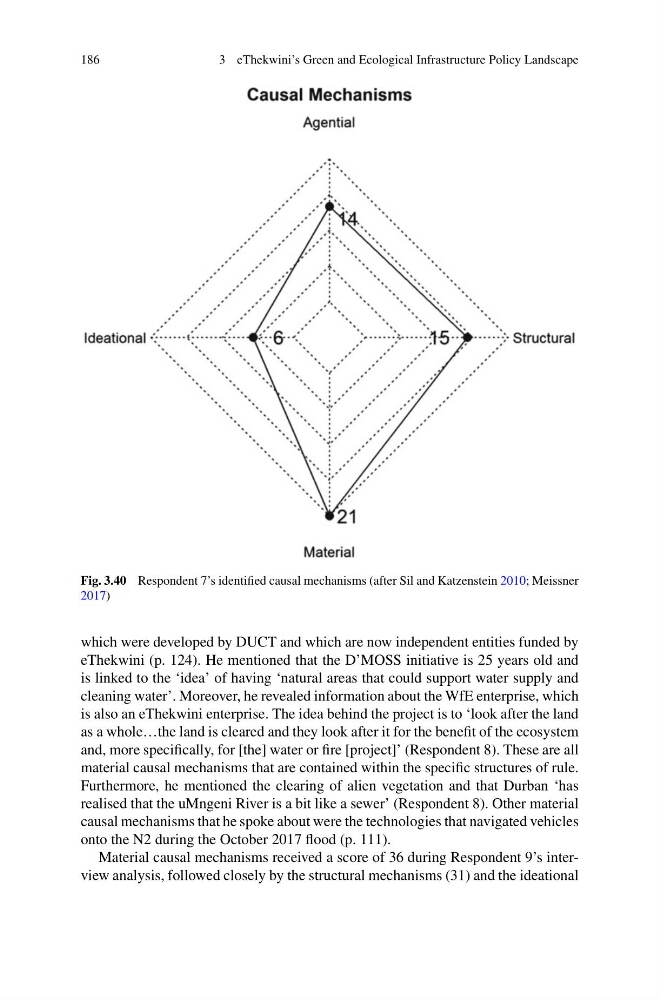
Fig. 3.40 Respondent 7’s identified causal mechanisms (after Sil and Katzenstein 2010; Meissner
2017)
which were developed by DUCT and which are now independent entities funded by
eThekwini (p. 124). He mentioned that the D’MOSS initiative is 25 years old and
is linked to the ‘idea’ of having ‘natural areas that could support water supply and
cleaning water’. Moreover, he revealed information about the WfE enterprise, which
is also an eThekwini enterprise. The idea behind the project is to ‘look after the land
as a whole…the land is cleared and they look after it for the benefit of the ecosystem
and, more specifically, for [the] water or fire [project]’ (Respondent 8). These are all
material causal mechanisms that are contained within the specific structures of rule.
Furthermore, he mentioned the clearing of alien vegetation and that Durban ‘has
realised that the uMngeni River is a bit like a sewer’ (Respondent 8). Other material
causal mechanisms that he spoke about were the technologies that navigated vehicles
onto the N2 during the October 2017 flood (p. 111).
Material causal mechanisms received a score of 36 during Respondent 9’s interview analysis, followed closely by the structural mechanisms (31) and the ideational
3 eThekwini’s Green and Ecological Infrastructure Policy Landscape
Fig. 3.40 Respondent 7’s identified causal mechanisms (after Sil and Katzenstein 2010; Meissner
2017)
which were developed by DUCT and which are now independent entities funded by
eThekwini (p. 124). He mentioned that the D’MOSS initiative is 25 years old and
is linked to the ‘idea’ of having ‘natural areas that could support water supply and
cleaning water’. Moreover, he revealed information about the WfE enterprise, which
is also an eThekwini enterprise. The idea behind the project is to ‘look after the land
as a whole…the land is cleared and they look after it for the benefit of the ecosystem
and, more specifically, for [the] water or fire [project]’ (Respondent 8). These are all
material causal mechanisms that are contained within the specific structures of rule.
Furthermore, he mentioned the clearing of alien vegetation and that Durban ‘has
realised that the uMngeni River is a bit like a sewer’ (Respondent 8). Other material
causal mechanisms that he spoke about were the technologies that navigated vehicles
onto the N2 during the October 2017 flood (p. 111).
Material causal mechanisms received a score of 36 during Respondent 9’s interview analysis, followed closely by the structural mechanisms (31) and the ideational