

3.4 Analysis
185
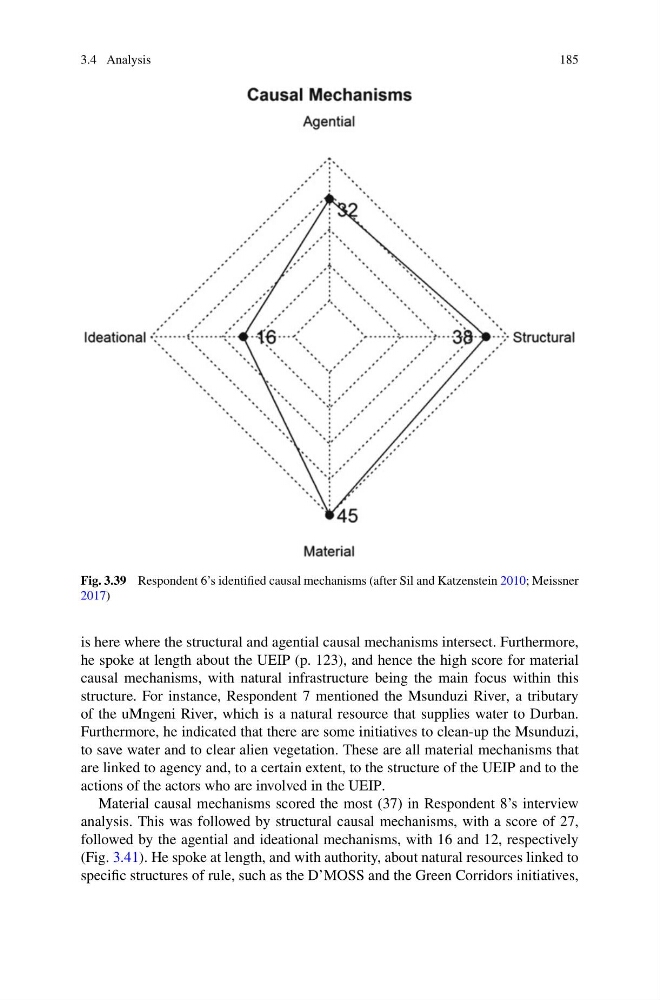
Fig. 3.39 Respondent 6’s identified causal mechanisms (after Sil and Katzenstein 2010; Meissner
2017)
is here where the structural and agential causal mechanisms intersect. Furthermore,
he spoke at length about the UEIP (p. 123), and hence the high score for material
causal mechanisms, with natural infrastructure being the main focus within this
structure. For instance, Respondent 7 mentioned the Msunduzi River, a tributary
of the uMngeni River, which is a natural resource that supplies water to Durban.
Furthermore, he indicated that there are some initiatives to clean-up the Msunduzi,
to save water and to clear alien vegetation. These are all material mechanisms that
are linked to agency and, to a certain extent, to the structure of the UEIP and to the
actions of the actors who are involved in the UEIP.
Material causal mechanisms scored the most (37) in Respondent 8’s interview
analysis. This was followed by structural causal mechanisms, with a score of 27,
followed by the agential and ideational mechanisms, with 16 and 12, respectively
(Fig. 3.41). He spoke at length, and with authority, about natural resources linked to
specific structures of rule, such as the D’MOSS and the Green Corridors initiatives,
185
Fig. 3.39 Respondent 6’s identified causal mechanisms (after Sil and Katzenstein 2010; Meissner
2017)
is here where the structural and agential causal mechanisms intersect. Furthermore,
he spoke at length about the UEIP (p. 123), and hence the high score for material
causal mechanisms, with natural infrastructure being the main focus within this
structure. For instance, Respondent 7 mentioned the Msunduzi River, a tributary
of the uMngeni River, which is a natural resource that supplies water to Durban.
Furthermore, he indicated that there are some initiatives to clean-up the Msunduzi,
to save water and to clear alien vegetation. These are all material mechanisms that
are linked to agency and, to a certain extent, to the structure of the UEIP and to the
actions of the actors who are involved in the UEIP.
Material causal mechanisms scored the most (37) in Respondent 8’s interview
analysis. This was followed by structural causal mechanisms, with a score of 27,
followed by the agential and ideational mechanisms, with 16 and 12, respectively
(Fig. 3.41). He spoke at length, and with authority, about natural resources linked to
specific structures of rule, such as the D’MOSS and the Green Corridors initiatives,