

3.4 Analysis
175
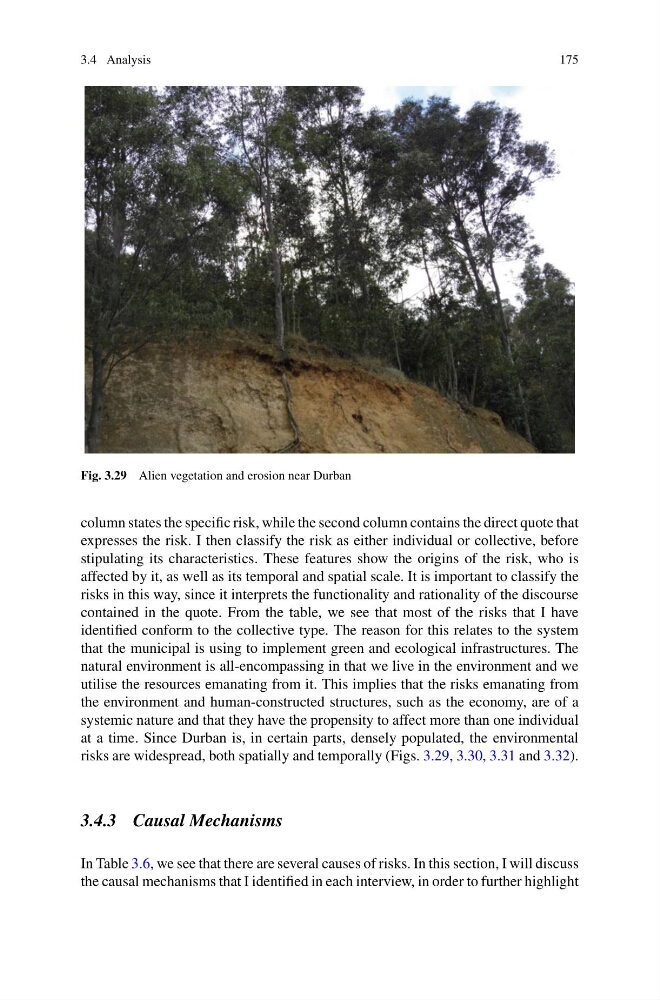
Fig. 3.29 Alien vegetation and erosion near Durban
column states the specific risk, while the second column contains the direct quote that
expresses the risk. I then classify the risk as either individual or collective, before
stipulating its characteristics. These features show the origins of the risk, who is
affected by it, as well as its temporal and spatial scale. It is important to classify the
risks in this way, since it interprets the functionality and rationality of the discourse
contained in the quote. From the table, we see that most of the risks that I have
identified conform to the collective type. The reason for this relates to the system
that the municipal is using to implement green and ecological infrastructures. The
natural environment is all-encompassing in that we live in the environment and we
utilise the resources emanating from it. This implies that the risks emanating from
the environment and human-constructed structures, such as the economy, are of a
systemic nature and that they have the propensity to affect more than one individual
at a time. Since Durban is, in certain parts, densely populated, the environmental
risks are widespread, both spatially and temporally (Figs. 3.29, 3.30, 3.31 and 3.32).
3.4.3 Causal Mechanisms
In Table 3.6, we see that there are several causes of risks. In this section, I will discuss
the causal mechanisms that I identified in each interview, in order to further highlight
175
Fig. 3.29 Alien vegetation and erosion near Durban
column states the specific risk, while the second column contains the direct quote that
expresses the risk. I then classify the risk as either individual or collective, before
stipulating its characteristics. These features show the origins of the risk, who is
affected by it, as well as its temporal and spatial scale. It is important to classify the
risks in this way, since it interprets the functionality and rationality of the discourse
contained in the quote. From the table, we see that most of the risks that I have
identified conform to the collective type. The reason for this relates to the system
that the municipal is using to implement green and ecological infrastructures. The
natural environment is all-encompassing in that we live in the environment and we
utilise the resources emanating from it. This implies that the risks emanating from
the environment and human-constructed structures, such as the economy, are of a
systemic nature and that they have the propensity to affect more than one individual
at a time. Since Durban is, in certain parts, densely populated, the environmental
risks are widespread, both spatially and temporally (Figs. 3.29, 3.30, 3.31 and 3.32).
3.4.3 Causal Mechanisms
In Table 3.6, we see that there are several causes of risks. In this section, I will discuss
the causal mechanisms that I identified in each interview, in order to further highlight