

176
3 eThekwini’s Green and Ecological Infrastructure Policy Landscape
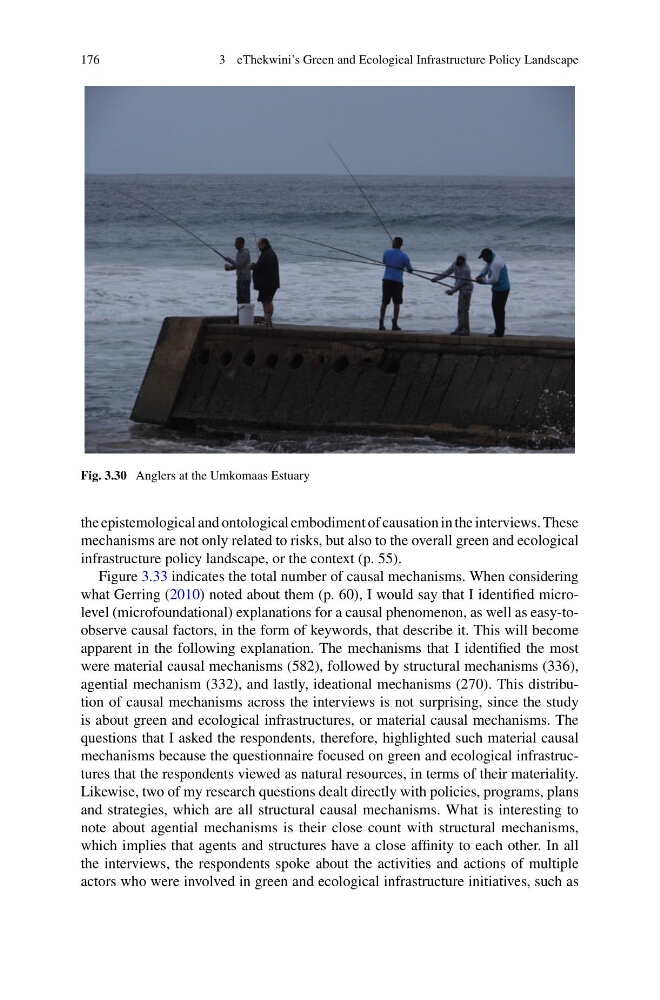
Fig. 3.30 Anglers at the Umkomaas Estuary
the epistemological and ontological embodiment of causation in the interviews. These
mechanisms are not only related to risks, but also to the overall green and ecological
infrastructure policy landscape, or the context (p. 55).
Figure 3.33 indicates the total number of causal mechanisms. When considering
what Gerring (2010) noted about them (p. 60), I would say that I identified microlevel (microfoundational) explanations for a causal phenomenon, as well as easy-toobserve causal factors, in the form of keywords, that describe it. This will become
apparent in the following explanation. The mechanisms that I identified the most
were material causal mechanisms (582), followed by structural mechanisms (336),
agential mechanism (332), and lastly, ideational mechanisms (270). This distribution of causal mechanisms across the interviews is not surprising, since the study
is about green and ecological infrastructures, or material causal mechanisms. The
questions that I asked the respondents, therefore, highlighted such material causal
mechanisms because the questionnaire focused on green and ecological infrastructures that the respondents viewed as natural resources, in terms of their materiality.
Likewise, two of my research questions dealt directly with policies, programs, plans
and strategies, which are all structural causal mechanisms. What is interesting to
note about agential mechanisms is their close count with structural mechanisms,
which implies that agents and structures have a close affinity to each other. In all
the interviews, the respondents spoke about the activities and actions of multiple
actors who were involved in green and ecological infrastructure initiatives, such as
3 eThekwini’s Green and Ecological Infrastructure Policy Landscape
Fig. 3.30 Anglers at the Umkomaas Estuary
the epistemological and ontological embodiment of causation in the interviews. These
mechanisms are not only related to risks, but also to the overall green and ecological
infrastructure policy landscape, or the context (p. 55).
Figure 3.33 indicates the total number of causal mechanisms. When considering
what Gerring (2010) noted about them (p. 60), I would say that I identified microlevel (microfoundational) explanations for a causal phenomenon, as well as easy-toobserve causal factors, in the form of keywords, that describe it. This will become
apparent in the following explanation. The mechanisms that I identified the most
were material causal mechanisms (582), followed by structural mechanisms (336),
agential mechanism (332), and lastly, ideational mechanisms (270). This distribution of causal mechanisms across the interviews is not surprising, since the study
is about green and ecological infrastructures, or material causal mechanisms. The
questions that I asked the respondents, therefore, highlighted such material causal
mechanisms because the questionnaire focused on green and ecological infrastructures that the respondents viewed as natural resources, in terms of their materiality.
Likewise, two of my research questions dealt directly with policies, programs, plans
and strategies, which are all structural causal mechanisms. What is interesting to
note about agential mechanisms is their close count with structural mechanisms,
which implies that agents and structures have a close affinity to each other. In all
the interviews, the respondents spoke about the activities and actions of multiple
actors who were involved in green and ecological infrastructure initiatives, such as