

dipole–dipole interaction, charge-transfer interaction, π–π interaction, inclusion
into cyclic compounds, and ionic interactions. The recognition of a CSP is
usually similar to that of the chiral compounds used as a CSP. Therefore, the
mechanism of chiral recognition on a CSP is often explained by the spectroscopic analysis of the interaction between the chiral compound and a racemate.
In these CSPs, a very high recognition or α value can be obtained if a racemate
or analyte fits to a CSP. On the other hand, one CSP can cover the separation of
rather limited numbers of racemates, and sometimes the selection of a suitable
CSP is not easy.
N
O
H
N
O
H 3 CO
N
H
X
S
: support
OH
OH
HO
HOOC
NH
O
HO
Cl
O
NH
O
NH
O
NH
NH
NH
O
O O
NH
O
H 2 N
OH
Cl
O
O
O
OH
HO
HO
O
O
HO H 2 N
NH
O
NO 2
NO 2
O
OR
RO
OR
O
O
RO
RO
OR
O
O
RO
RO
OR
O
O
O
OR
OR
OR
O
OR
OR
RO
O
O
OR
OR
RO
O
n
O
O
O
O
O
O
Ph
Ph
Si
Si
CH 2 CH
n
N
HOOC
H
N
O
N
H
O
NO 2
NO 2
(n = 1-3)
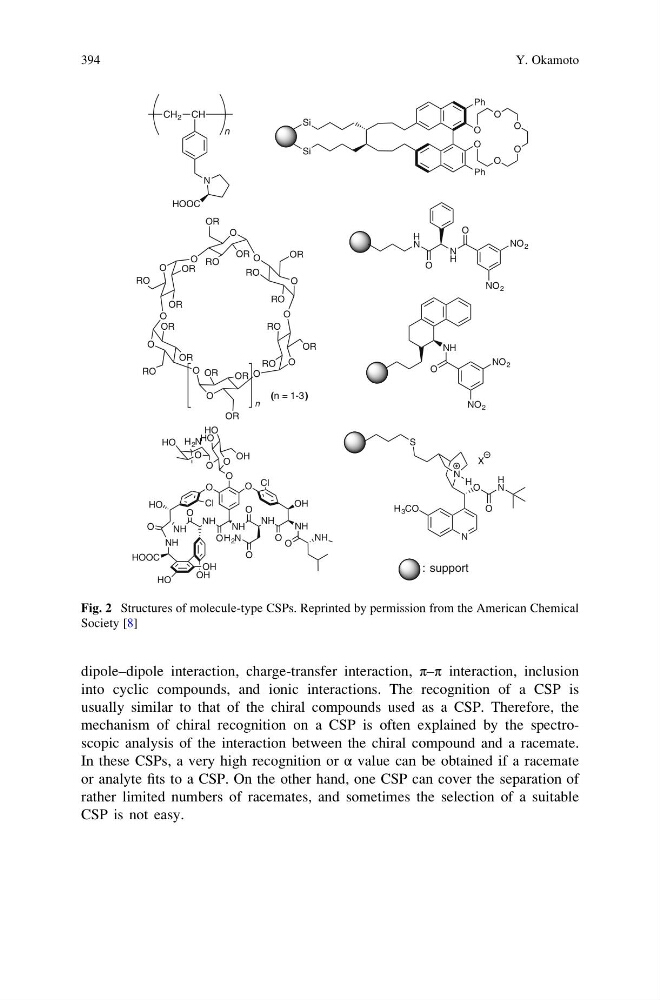
Fig. 2 Structures of molecule-type CSPs. Reprinted by permission from the American Chemical
Society [8]
394
Y. Okamoto
into cyclic compounds, and ionic interactions. The recognition of a CSP is
usually similar to that of the chiral compounds used as a CSP. Therefore, the
mechanism of chiral recognition on a CSP is often explained by the spectroscopic analysis of the interaction between the chiral compound and a racemate.
In these CSPs, a very high recognition or α value can be obtained if a racemate
or analyte fits to a CSP. On the other hand, one CSP can cover the separation of
rather limited numbers of racemates, and sometimes the selection of a suitable
CSP is not easy.
N
O
H
N
O
H 3 CO
N
H
X
S
: support
OH
OH
HO
HOOC
NH
O
HO
Cl
O
NH
O
NH
O
NH
NH
NH
O
O O
NH
O
H 2 N
OH
Cl
O
O
O
OH
HO
HO
O
O
HO H 2 N
NH
O
NO 2
NO 2
O
OR
RO
OR
O
O
RO
RO
OR
O
O
RO
RO
OR
O
O
O
OR
OR
OR
O
OR
OR
RO
O
O
OR
OR
RO
O
n
O
O
O
O
O
O
Ph
Ph
Si
Si
CH 2 CH
n
N
HOOC
H
N
O
N
H
O
NO 2
NO 2
(n = 1-3)
Fig. 2 Structures of molecule-type CSPs. Reprinted by permission from the American Chemical
Society [8]
394
Y. Okamoto