

SOL
G-QUARTET-BASED 2D SUPRAMOLECULAR POLYMERIC ARRAY
and Dynamic SOL-GEL Interconversion
G
G
G
G
K +
G
G
G
G
G
K
+
G
G
G
G
G
K
+
G
G
G
G
G
K
+
G
G
G
G K
+
G
G
G
G K
+
G
G
G
G
K
+
G
G
G
G K
+
G
G
G
G K
+
G
G
G K +
G
G
G
K
+
G
G
G K
+
NH
O
NH
N
H
N
N
N
O
NH2
O
H
N
N
N
N
O
NH2
O
G
-
G
4
HYDROGEL
K + -stabilized, highly cross-linked
2-D supramolecular polymeric array
2NaOH
2H 2 O
O O
O
O
N
N
O
O
O O
O
O
N
N
O
O
K+
K +
-
K
+
+
2HCl
O O
O
O
N
N
O
O
H
H
+
+
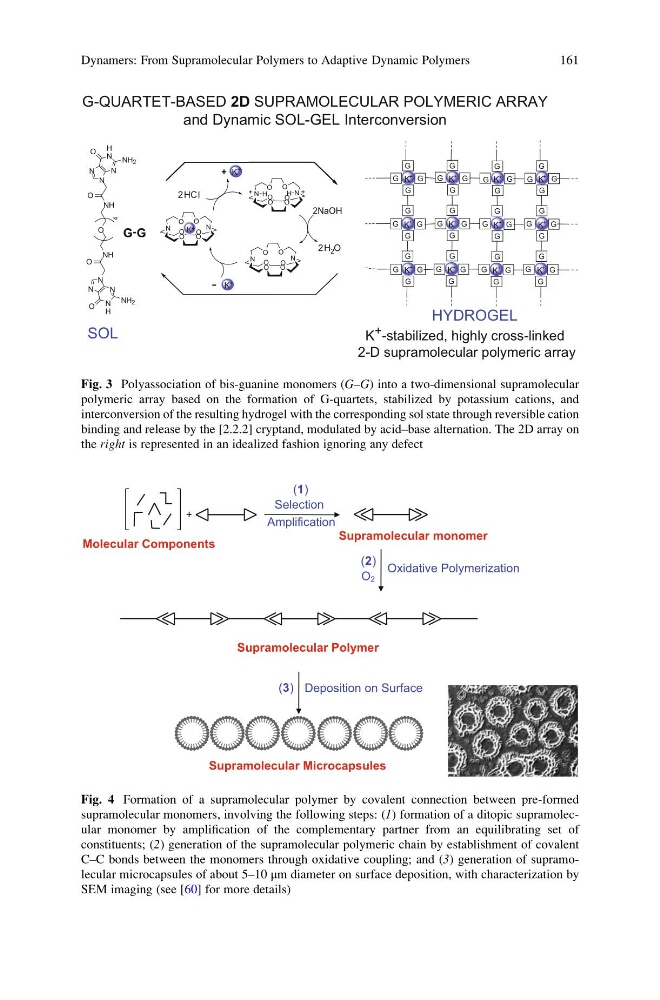
Fig. 3 Polyassociation of bis-guanine monomers (G–G) into a two-dimensional supramolecular
polymeric array based on the formation of G-quartets, stabilized by potassium cations, and
interconversion of the resulting hydrogel with the corresponding sol state through reversible cation
binding and release by the [2.2.2] cryptand, modulated by acid–base alternation. The 2D array on
the right is represented in an idealized fashion ignoring any defect
+
(1)
Selection
Amplification
(2)
O2
Oxidative Polymerization
Supramolecular monomer
Supramolecular Polymer
(3) Deposition on Surface
Supramolecular Microcapsules
Molecular Components
Fig. 4 Formation of a supramolecular polymer by covalent connection between pre-formed
supramolecular monomers, involving the following steps: (1) formation of a ditopic supramolecular monomer by amplification of the complementary partner from an equilibrating set of
constituents; (2) generation of the supramolecular polymeric chain by establishment of covalent
C–C bonds between the monomers through oxidative coupling; and (3) generation of supramolecular microcapsules of about 5–10 μm diameter on surface deposition, with characterization by
SEM imaging (see [60] for more details)
Dynamers: From Supramolecular Polymers to Adaptive Dynamic Polymers
161
G-QUARTET-BASED 2D SUPRAMOLECULAR POLYMERIC ARRAY
and Dynamic SOL-GEL Interconversion
G
G
G
G
K +
G
G
G
G
G
K
+
G
G
G
G
G
K
+
G
G
G
G
G
K
+
G
G
G
G K
+
G
G
G
G K
+
G
G
G
G
K
+
G
G
G
G K
+
G
G
G
G K
+
G
G
G K +
G
G
G
K
+
G
G
G K
+
NH
O
NH
N
H
N
N
N
O
NH2
O
H
N
N
N
N
O
NH2
O
G
-
G
4
HYDROGEL
K + -stabilized, highly cross-linked
2-D supramolecular polymeric array
2NaOH
2H 2 O
O O
O
O
N
N
O
O
O O
O
O
N
N
O
O
K+
K +
-
K
+
+
2HCl
O O
O
O
N
N
O
O
H
H
+
+
Fig. 3 Polyassociation of bis-guanine monomers (G–G) into a two-dimensional supramolecular
polymeric array based on the formation of G-quartets, stabilized by potassium cations, and
interconversion of the resulting hydrogel with the corresponding sol state through reversible cation
binding and release by the [2.2.2] cryptand, modulated by acid–base alternation. The 2D array on
the right is represented in an idealized fashion ignoring any defect
+
(1)
Selection
Amplification
(2)
O2
Oxidative Polymerization
Supramolecular monomer
Supramolecular Polymer
(3) Deposition on Surface
Supramolecular Microcapsules
Molecular Components
Fig. 4 Formation of a supramolecular polymer by covalent connection between pre-formed
supramolecular monomers, involving the following steps: (1) formation of a ditopic supramolecular monomer by amplification of the complementary partner from an equilibrating set of
constituents; (2) generation of the supramolecular polymeric chain by establishment of covalent
C–C bonds between the monomers through oxidative coupling; and (3) generation of supramolecular microcapsules of about 5–10 μm diameter on surface deposition, with characterization by
SEM imaging (see [60] for more details)
Dynamers: From Supramolecular Polymers to Adaptive Dynamic Polymers
161